Trip Com Alternatives: 10 Best Sites in 2026

If you are comparing trip com alternatives, the best choice depends on what you book most: hotels, flights, trains, cars, attractions, or full packages. Trip.com is broad, but it is not always the best fit for every route, refund situation, loyalty goal, or destination.
Affiliate disclosure: TopTrustReview may earn a commission if you book through some links on this page, at no extra cost to you. You can explore current travel booking options through our travel partner link: compare travel deals here.
Official website · Latest pricing & offers
Quick verdict: the 10 best Trip.com alternatives in 2026
There is no single winner for all travelers. The best trip com alternatives vary by trip type, destination, cancellation needs, and whether you prefer booking through an OTA, a metasearch engine, or directly with the airline or hotel.
| Rank | Alternative | Best For | Booking Model | Main Reason To Consider It |
|---|---|---|---|---|
| 1 | Booking.com | Hotels and apartments | OTA | Strong hotel-focused experience and useful cancellation filters |
| 2 | Agoda | Asia-Pacific hotels | OTA | Often discussed for Asia hotel value and mobile-first deals |
| 3 | Skyscanner | Flight comparison | Metasearch | Good for comparing many flight sellers before booking |
| 4 | Expedia | Packages | OTA | Convenient for flights, hotels, cars, and bundles |
| 5 | Google Flights | Fast flight research | Metasearch | Excellent for flexible date and route discovery |
| 6 | Trivago | Hotel price comparison | Metasearch | Helps compare hotel rates across booking sites |
| 7 | Hotels.com | Hotel loyalty seekers | OTA | Hotel-first booking experience with loyalty appeal |
| 8 | Kayak | All-around search | Metasearch | Useful discovery tools for flights, hotels, and cars |
| 9 | Priceline | Deal hunters | OTA | Appeals to flexible travelers looking for lower displayed rates |
| 10 | Direct booking | Complex or high-value trips | Supplier direct | Better for loyalty benefits, special requests, and direct support |
Best overall for most travelers
Booking.com is the strongest overall pick for many hotel-first travelers comparing trip com alternatives. It is familiar, widely used, and generally easy to filter by cancellation rules, property type, neighborhood, and guest rating.
That does not mean it wins every time. If your trip includes flights, trains, attractions, and transfers, Trip.com or Expedia may feel more complete.
Best for hotels
Booking.com, Agoda, Hotels.com, and Trivago are the main hotel-focused options. Booking.com is the broad mainstream pick, Agoda is a common choice for Asia-Pacific trips, Hotels.com appeals to travelers who like hotel-focused loyalty programs, and Trivago is useful when you want to compare hotel prices before choosing where to book.
Best for flights
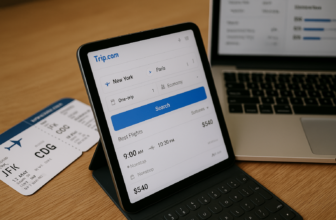
For trip.com alternatives for flights, start with Skyscanner and Google Flights. Both are metasearch tools, meaning they help you compare flight options, then send you to an airline or travel seller to complete the booking.
If you want one place to manage flights and hotels together, Expedia may be more convenient than pure flight search tools.
Best for flexible cancellations
Booking.com is often attractive for travelers who want to filter hotel stays by free cancellation or pay-later options. Direct booking can also be safer when your itinerary is expensive, multi-city, or likely to change.
Before paying, always read the specific cancellation rule on the exact room, fare, or package. Flexibility is not determined by the brand name alone.
Best for Asia-focused travel
Agoda is one of the most common agoda alternatives people compare against Trip.com for Asia travel, especially for hotels. Trip.com also has a strong Asia travel angle, so the better choice often comes down to the specific hotel, refund rule, mobile price, and payment method shown at checkout.
Best for package deals
Expedia is the most obvious package-focused competitor because it brings flights, hotels, cars, and activities into one booking ecosystem. Trip.com also offers Flight + Hotel, so compare the total price, cancellation terms, and support path before deciding.
Best for metasearch and price comparison
Skyscanner, Google Flights, Trivago, and Kayak are best when you want comparison first and booking second. These are not always direct replacements for OTAs, but they are among the best trip com alternatives for checking whether a fare or hotel rate is competitive.
How we ranked these Trip.com alternatives
We ranked these trip com alternatives for commercial investigation intent: trust, price visibility, cancellation clarity, coverage, and practical support. The goal is not to crown the cheapest site every time, but to help you choose the booking path with the fewest surprises.
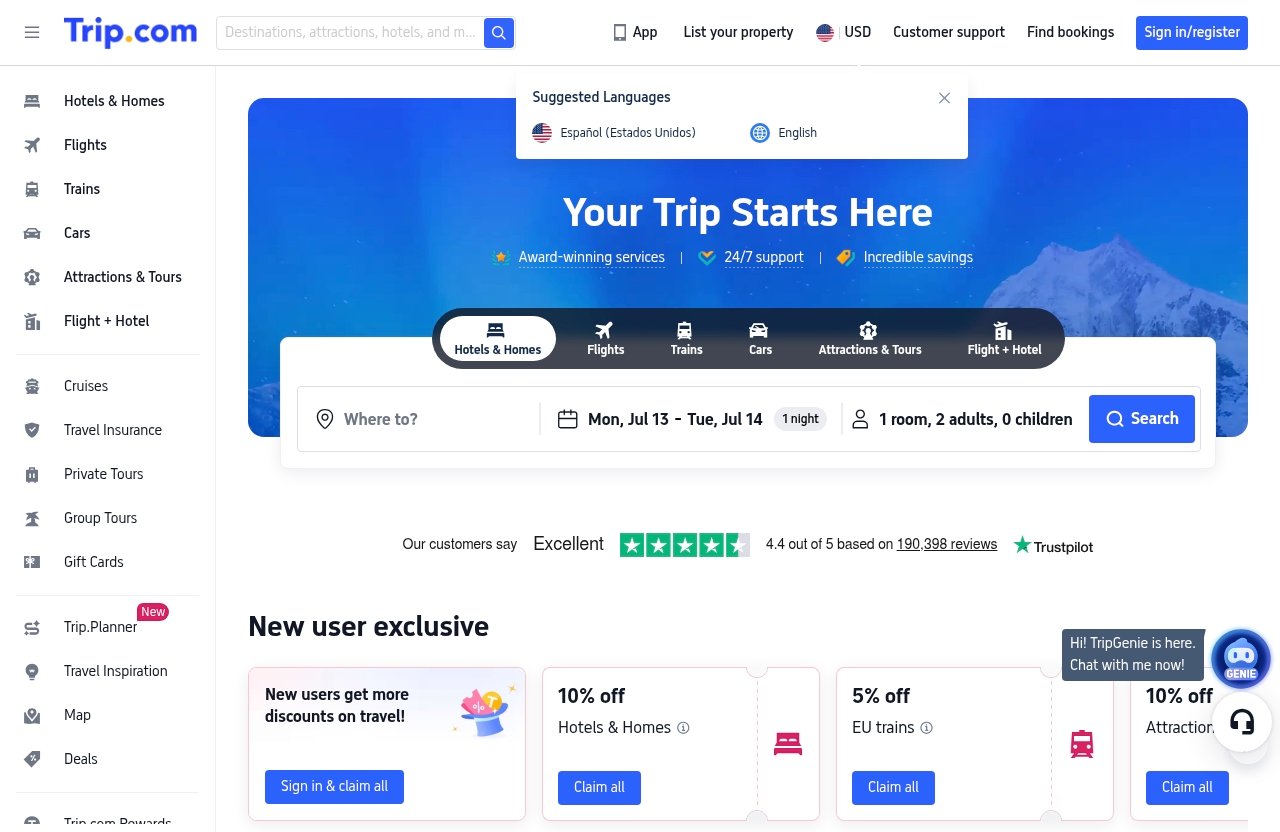
Trip.com is part of Trip.com Group Limited and operates as an online travel platform. It covers Hotels & Homes, Flights, Trains, Cars, Attractions & Tours, and Flight + Hotel, so the alternatives below are judged against a broad travel-booking baseline.
Trust and brand reputation
Trust matters because an OTA sits between you and the airline, hotel, car rental agency, or tour operator. When something changes, you need to know who owns the fix: the platform, the supplier, or both.
For this reason, we favored well-known trip.com competitors with established consumer awareness. We also considered how often travelers mention these brands in comparison discussions, including trip.com alternatives reddit threads and travel forums.
Pricing visibility and fee transparency
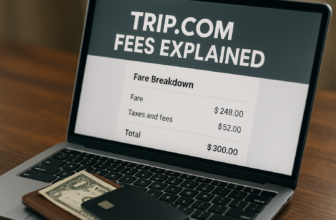
Cheap booking sites can be useful, but the first displayed price is not always the final price. Taxes, service charges, baggage fees, resort fees, local taxes, card fees, and add-ons can change the value.
The best trip com alternatives make it easier to see total trip cost before you pay. We gave extra weight to platforms that help travelers compare prices without hiding important booking conditions.
Refund and change flexibility
Refund flexibility is often more important than saving a small amount upfront. A nonrefundable hotel or basic economy-style flight can become expensive if plans shift.
We looked for booking paths where cancellation terms are visible before payment. We also considered whether direct booking may be safer when a trip involves visa uncertainty, tight connections, medical needs, or special room requests.
Route and property coverage
Trip.com covers several categories, so alternatives need to be assessed by category rather than as identical replacements. A hotel-first OTA may beat Trip.com for apartments but be irrelevant for trains.
For flights, metasearch tools can be better than OTAs for discovery. For hotels, OTAs and hotel metasearch tools often give more practical comparison options.
Customer support and booking protection
Customer support is most important when a booking goes wrong: schedule changes, overbooked hotels, missing reservations, duplicate charges, or refund delays. In those cases, the difference between OTA booking and direct booking becomes very real.
OTA booking can be convenient for simple trips. Direct booking is often safer for complex itineraries, elite benefits, and situations where you want the airline or hotel to control the reservation directly.
1. Booking.com
Booking.com is one of the best-known trip com alternatives for travelers who mainly book hotels, apartments, guesthouses, and vacation-style stays. It is especially useful when you want to compare many property types in one city.
For hotel-heavy travelers, the booking.com vs trip.com decision usually comes down to property selection, cancellation filters, final price, and whether you also need flights or trains in the same app.
Why it ranks high
Booking.com ranks high because it is easy to use for accommodation research. Filters for neighborhood, property type, review score, and cancellation terms make it practical for travelers who do not want to open dozens of hotel websites.
It also works well for families and longer stays because you can compare apartments, homes, and hotels side by side. That makes it one of the best travel booking sites for accommodation-led trips.
Where it beats Trip.com
Booking.com can be a better fit if your trip starts with lodging rather than transport. For example, if you care about free cancellation, breakfast, parking, kitchen access, or family room availability, the hotel-first interface can be easier to scan.
It is also a strong option when you want many independent properties, not only chain hotels. That makes it a practical benchmark when reading trip.com alternatives reviews.
Potential downsides
Booking.com is still a third-party booking platform for many reservations. If the hotel changes something or a payment issue occurs, you may need to coordinate between the property and the platform.
Also, cancellation rules differ by property and room type. Do not assume every listing is flexible just because some rooms show flexible options.
2. Agoda
Agoda is a major hotel OTA and one of the most common trip com alternatives for Asia-focused travel. It is often mentioned in travel discussions for hotel pricing in Asia-Pacific markets and promo-driven app offers.
If you are comparing agoda alternatives, Trip.com, Booking.com, and Hotels.com are the natural names to check alongside it.
Best for Asia hotel deals
Agoda is particularly relevant if you are booking hotels in destinations across Asia. Many travelers include it in their shortlist because it often shows a large range of hotels, guesthouses, and apartments in popular city and beach destinations.
For Asia trips, compare Agoda and Trip.com carefully at the final checkout screen. The winner may change depending on taxes, cancellation policy, room inclusions, and payment timing.
Strengths for mobile users
Agoda tends to appeal to mobile-first deal shoppers. If you are comfortable comparing app prices, coupon-style promotions, and limited-time offers, it can be worth checking.
That said, the lowest-looking rate is not always the best deal. A slightly higher refundable room can be better than a cheaper nonrefundable option.
Trade-offs to watch
Agoda’s promo-heavy pricing can require careful reading. Check whether breakfast, taxes, fees, and cancellation terms are included before you pay.
If your trip involves a luxury hotel, special occasion, or arrival after midnight, consider messaging the property after booking to confirm the reservation details.
3. Skyscanner
Skyscanner is one of the strongest trip com alternatives for flight comparison, but it is not the same type of product as Trip.com. It is primarily a metasearch tool, not a traditional OTA for every booking.
That distinction matters. Skyscanner helps you find options; the final booking may happen with an airline or another travel seller.
Best for flight comparison
Skyscanner is useful when you want to compare airlines, routes, stops, dates, and booking sellers quickly. It is especially helpful for international trips where the cheapest or most convenient routing is not obvious.
For travelers researching skyscanner alternatives, Google Flights and Kayak are the closest comparison tools. Trip.com and Expedia are more booking-platform oriented.
When a metasearch model is better
Metasearch is better when you are still deciding where, when, or how to fly. Instead of checking each airline one by one, you can view many options in a single search interface.
This makes Skyscanner a smart first step before booking. You can compare the market, then decide whether to book direct with the airline or through an OTA.
Limitations vs booking direct
Because Skyscanner often sends you elsewhere to complete the purchase, customer service depends on the seller you choose. A cheap third-party fare may not be worth it if the airline schedule changes and support becomes complicated.
For expensive flights, tight connections, or business travel, booking directly with the airline can be safer.
4. Expedia
Expedia is a strong choice among trip com alternatives for travelers who want flights, hotels, cars, and activities in one place. It is especially relevant for package shoppers.
If your goal is one itinerary dashboard rather than the absolute lowest standalone fare, Expedia deserves a place on your shortlist.
Best for bundles
Expedia is best for travelers building a trip with several components. Flights, hotels, rental cars, and activities can be researched together, which saves time compared with using separate sites.
This is useful for families and vacation travelers who prefer convenience. It can also make itinerary management simpler.
Strengths for package travel
Package booking can be attractive when you want one platform to organize a trip. For example, a flight-plus-hotel booking may feel easier than juggling separate confirmations from different suppliers.
Still, compare the package cancellation rules carefully. A package may have different refund terms from booking the flight and hotel separately.
Who should choose a different site
Choose a different site if you only need flight price discovery. Skyscanner or Google Flights will usually be faster for research.
Also consider direct booking if you want hotel elite benefits, airline status recognition, or full control over changes.
5. Google Flights
Google Flights is one of the most useful trip com alternatives for flight research, even though it is not a full OTA. It is built for speed, date flexibility, and route discovery.
Travelers often use it before booking elsewhere because it makes fare comparison simple.
Fastest flight price comparison
Google Flights is excellent for quickly checking flight options across dates, airlines, and routes. If your travel dates are flexible, it can reveal cheaper departure days or better routing patterns.
It is especially useful for multi-airport regions. You can compare nearby airports without repeatedly starting new searches.
Best features for flexible travelers
Flexible travelers benefit most from Google Flights because they can adjust dates, destinations, and airports quickly. This is helpful for budget travelers, remote workers, and anyone planning around airfare.
It can also be useful for spotting when an OTA price looks unusual. If a fare appears much cheaper on a third-party seller, read the terms extra carefully.
Why it is not a full OTA
Google Flights generally sends you to airlines or travel sellers to finish booking. That means it is a research tool first, not a complete Trip.com replacement for hotels, trains, attractions, or packages.
If you need one app for several trip components, Expedia or Trip.com may be more convenient.
6. Trivago
Trivago is a hotel metasearch site and one of the more focused trip com alternatives for accommodation price comparison. It does not try to replace a full OTA across every travel category.
Use it when you already know the destination and want to compare hotel prices across booking sites.
Best hotel price comparison
Trivago is best for hotel shoppers who care about comparing displayed rates. It can help you see whether a property is cheaper on one OTA, another OTA, or sometimes through a different booking channel.
This is useful before booking on any single platform. It gives you a quick market check.
How it saves time
Instead of opening several hotel booking sites manually, Trivago brings comparison results into one place. That can help you identify whether a listed rate is competitive.
It is especially useful for popular hotels that appear across many OTAs. You can then inspect the final price and policy on the seller’s site.
When it is less useful
Trivago is less useful if you need flights, trains, rental cars, attractions, or packages. It is also not the final authority on refund terms because the booking rules come from the seller.
Always click through and verify the room type, tax treatment, cancellation policy, and payment schedule before paying.
Official website · Latest pricing & offers
7. Hotels.com
Hotels.com is a hotel-focused OTA and a practical option for travelers comparing trip com alternatives mainly for accommodation. It is less broad than Trip.com, but that focus can be a strength.
It works best for travelers who repeatedly book hotels and want a familiar hotel-booking interface.
Good for hotel-loyalty seekers
Hotels.com appeals to travelers who like booking hotels through one platform rather than joining many hotel-chain programs. Its loyalty appeal is one reason it stays relevant among hotel OTAs.
If you usually book independent hotels, boutique properties, or short city stays, it can be worth comparing against Booking.com and Trip.com.
Strengths and weak spots
The main strength is focus. Hotels.com is straightforward for accommodation searches and can be easier to use than a broad travel platform when you only need a room.
The weak spot is that it is not the most complete answer for travelers who need flights, trains, and attractions. For those trips, Trip.com or Expedia may feel more integrated.
Best traveler profile
Hotels.com fits travelers who book hotels frequently but do not always stay with the same chain. It is also useful for people who value a simple hotel-first booking process.
If elite hotel benefits matter, direct booking with the hotel chain may still be better.
8. Kayak
Kayak is one of the best trip com alternatives for travelers who like search tools more than traditional OTA browsing. It compares flights, hotels, rental cars, and travel options across multiple providers.
Think of it as a discovery tool for people who want to check the market before choosing a seller.
Best all-around search tools
Kayak is useful because it covers several categories without locking you into one booking path. You can research flights, hotels, and cars in one place, then decide where to book.
This makes it helpful for early-stage planning. It is also useful when prices vary widely between providers.
Price alerts and exploration tools
Kayak’s appeal comes from exploration and monitoring. Travelers can use search tools and alerts to watch routes or destinations before buying.
This is especially helpful for budget travelers and flexible vacation planners. If you are comparing cheap booking sites, use Kayak to validate whether a deal is actually competitive.
Booking flow considerations
Like other metasearch-style platforms, Kayak may send you to another provider to complete the booking. That provider’s policies will matter more than Kayak’s search result.
Before paying, confirm who charges your card and who handles changes or refunds.
9. Priceline
Priceline remains relevant among trip com alternatives for deal hunters. It is best suited to travelers who are flexible and comfortable comparing different booking formats.
It may not be ideal for every trip, but it can be useful when price is the main priority.
Best for deal hunters
Priceline appeals to travelers who are willing to spend time comparing rates and booking conditions. If your dates are fixed but your hotel brand or flight timing is flexible, it may be worth checking.
As with all discount-oriented platforms, the key is to compare the final price, not just the headline price.
Opaque vs transparent booking options
Some deal-oriented travel sites may include both transparent listings and more restrictive booking formats. Transparent bookings show the details clearly before payment, while opaque-style deals may trade flexibility or certainty for price.
Only choose restrictive options if you are comfortable with the limitations. For families, business travelers, and special occasions, transparency is usually worth more.
Where it fits best
Priceline fits short leisure trips, flexible hotel stays, and travelers who are comfortable reading the fine print. It is less ideal for complex itineraries or trips where changes are likely.
If you need maximum control, book direct or choose a more flexible OTA rate.
10. Direct booking with airlines and hotel chains
Direct booking is not an OTA, but it is one of the most important trip com alternatives. In many real-world situations, booking directly with the airline or hotel reduces friction when plans change.
This is especially true for expensive flights, loyalty stays, business travel, special requests, and complex itineraries.
Why direct can beat OTAs
Direct booking can simplify support because the airline or hotel owns the reservation directly. If a flight is canceled or a hotel needs to modify your stay, there is no third-party layer to coordinate with.
It can also be better for travelers who care about loyalty points, status benefits, upgrades, or brand-specific perks.
When direct booking is safer
Direct booking is often safer for multi-city flights, tight connections, visa-dependent travel, destination weddings, medical trips, and luxury stays. These are situations where support quality matters more than saving a small amount.
If your itinerary has several moving parts, direct supplier control can reduce refund and change headaches.
Best for elite perks and special requests
Some travelers prefer direct booking because OTA reservations may not always receive the same elite recognition or special handling. If you need adjoining rooms, accessibility features, late arrival notes, or status benefits, contact the hotel directly.
For airlines, direct booking can also make seat selection, schedule changes, credits, and rebooking easier to manage.
Trip.com vs the best alternatives: which one should you choose?
The right choice depends on your traveler profile. These trip com alternatives are not interchangeable, so choose based on the part of the trip that matters most.
| Traveler Type | Best Choice | Why |
|---|---|---|
| Family vacation | Booking.com or Expedia | Easier accommodation filters or package planning |
| Business trip | Direct booking or Expedia | Better control, itinerary management, and support path |
| Budget flight search | Google Flights, Skyscanner, Kayak | Fast comparison before choosing where to book |
| Asia hotel trip | Agoda, Trip.com, Booking.com | Worth comparing final room terms and mobile prices |
| Last-minute hotel | Booking.com, Agoda, Hotels.com | Quick hotel availability checks |
| Multi-city international trip | Direct booking or Google Flights first | Safer change handling and better route research |
| Attraction-heavy vacation | Trip.com or Expedia | Broader trip components in one ecosystem |
| Refund-sensitive trip | Direct booking or flexible OTA rate | Clearer change path and fewer middle layers |
Choose Booking.com if…
Choose Booking.com if your trip is accommodation-led. It is one of the best trip com alternatives for travelers who care about hotel filters, apartments, guest reviews, and visible cancellation options.
It is especially practical for city breaks, family stays, and trips where lodging quality matters more than bundling flights.
Choose Agoda if…
Choose Agoda if you are traveling in Asia-Pacific and want another strong hotel comparison point. It is also useful if you are comfortable checking mobile pricing and promotions.
Compare Agoda against Trip.com and Booking.com at checkout. The best rate may change after taxes, fees, and cancellation terms are included.
Choose Skyscanner or Google Flights if…
Choose Skyscanner or Google Flights if your priority is flight discovery. These are among the best trip.com alternatives for flights because they help you compare routes before committing to a seller.
Use them first, then decide whether to book with an airline, OTA, or package site.
Choose Expedia if…
Choose Expedia if you want packages or one platform for several trip components. It is useful for travelers who prefer a single account for flights, hotels, rental cars, and activities.
Just make sure you understand each component’s cancellation rules. Package convenience does not automatically mean better flexibility.
Choose direct booking if…
Choose direct booking if the trip is complex, expensive, or status-sensitive. Airlines and hotels can often handle changes more directly when you book with them.
Some travelers also prefer direct booking for elite benefits, special requests, and high-value trips where support matters more than the cheapest displayed rate.
What Trip.com offers compared with alternatives
Trip.com remains a serious travel platform, so comparing trip com alternatives should be fair. It may be the better choice if you want multiple travel categories in one place, especially when your trip includes flights, hotels, trains, cars, attractions, tours, or Flight + Hotel.
Trip.com inventory and destinations
PRODUCT FACTS — verified Trip.com information used in this section: Trip.com is an online travel platform and part of Trip.com Group Limited. The official homepage lists these main categories: Hotels & Homes, Flights, Trains, Cars, Attractions & Tours, and Flight + Hotel.
Trip.com’s official homepage states that it offers over 1.2 million hotels in more than 200 countries, 30 million real guest reviews, and flights to over 5000 destinations worldwide. These verified facts show why Trip.com remains a broad baseline when comparing the best trip com alternatives.
App-only deals and promotions
Trip.com’s official homepage highlights app-only deals and easy trip planning. It also shows new user exclusive discounts: 10% off Hotels & Homes, 5% off EU trains, 10% off Attractions & Tours, and 10% off Airport Transfers.
There is no verified pricing page data to cite because the provided pricing page URL returned 404. For that reason, you should check live prices, final checkout totals, and booking rules directly before paying.
Rewards and support ecosystem
Trip.com’s appeal is its multi-category travel ecosystem. For travelers who want hotels, flights, trains, cars, attractions, tours, and bundles in one platform, it may be more convenient than hotel-only or flight-only tools.
However, convenience is not the same as universal superiority. Compare Trip.com with Booking.com for hotels, Skyscanner or Google Flights for flights, Expedia for packages, and direct booking for complex trips.
How to avoid OTA booking problems
Even the best trip com alternatives can create frustration if you skip the fine print. Most booking problems start before payment, when travelers focus on price and miss restrictions.
Use the same checklist whether you book through Trip.com, Booking.com, Agoda, Expedia, Priceline, or another OTA.
Check cancellation rules before paying
Read the cancellation rule on the exact room, fare, or package. Do not rely on search filters alone, because a hotel may show both refundable and nonrefundable options.
Check the cancellation deadline, time zone, refund method, and whether taxes or service fees are refundable. If the trip is uncertain, paying slightly more for flexibility can be smarter.
Verify baggage and resort fees
For flights, confirm baggage allowance, seat selection rules, and change fees before booking. A cheap fare can become expensive if checked bags or carry-ons cost extra.
For hotels, look for resort fees, city taxes, cleaning fees, parking fees, and deposits. These charges can change the real comparison between Trip.com and other cheap booking sites.
Screenshot fare rules and hotel policies
Take screenshots of the final price, room type, cancellation terms, baggage rules, and included amenities before paying. Save confirmation emails and payment receipts in one folder.
This gives you evidence if a policy changes or a dispute occurs. It is a simple habit that can prevent refund confusion later.
Prefer direct booking for complex itineraries
For multi-city flights, tight connections, luxury hotels, business trips, or special requests, direct booking can be the safer route. The airline or hotel can usually see and control your reservation without waiting on an OTA.
For simple trips, OTAs can be convenient and sometimes good value. For complicated travel, fewer middle layers often means fewer problems.
Official website · Latest pricing & offers
FAQ
Is Booking.com or Trip.com better?
Booking.com is often better for hotel-first travelers who want strong accommodation filters, apartment-style stays, and visible cancellation options. Trip.com may be better if you want flights, trains, cars, attractions, tours, and Flight + Hotel options in one app.
For booking.com vs trip.com, compare the exact property, final price, cancellation policy, payment terms, and support route. Some travelers prefer direct booking for complex trips, elite benefits, or special requests.
What is the best Trip.com alternative?
The best Trip.com alternative depends on your trip. Booking.com is a strong pick for hotels, Skyscanner or Google Flights are best for flight comparison, Expedia is useful for bundles, and direct booking is often safest for complex or high-value trips.
If you are still comparing trip com alternatives, start with your most important trip component. Hotels, flights, packages, and refund flexibility each point to a different best choice.
Is Trip.com a third party website?
Yes. Trip.com is an online travel platform, often described as an OTA, rather than the airline, hotel, train company, or attraction operator itself.
That means the actual supplier and the platform’s booking terms both matter. Always check who provides the service, who charges your card, and who handles cancellations or refunds.
Conclusion
The best trip com alternatives in 2026 are Booking.com for hotels, Agoda for Asia-focused accommodation comparison, Skyscanner and Google Flights for flight research, Expedia for bundles, and direct booking for complex or high-value travel.
If you prioritize hotels, start with Booking.com and Hotels.com. If you prioritize flights, compare Skyscanner, Google Flights, and airline-direct prices. If you want bundles, check Expedia and Trip.com side by side. If refund flexibility matters most, choose a clearly refundable rate or book directly with the supplier.
Related Reading
- Trip.com vs Skyscanner: Which Saves More in 2026?
- Hostinger Alternatives: 7 Best Options in 2026
- Webflow vs WordPress: Which Is Better in 2026?
References
- Trip.com Official Site | Travel Deals and Promotions
- Trip.com Official Help Center
- Trip.com Service Guarantee
- Trip.com Group Limited