
Chani Alternatives for Accurate Horoscope Apps in 2026
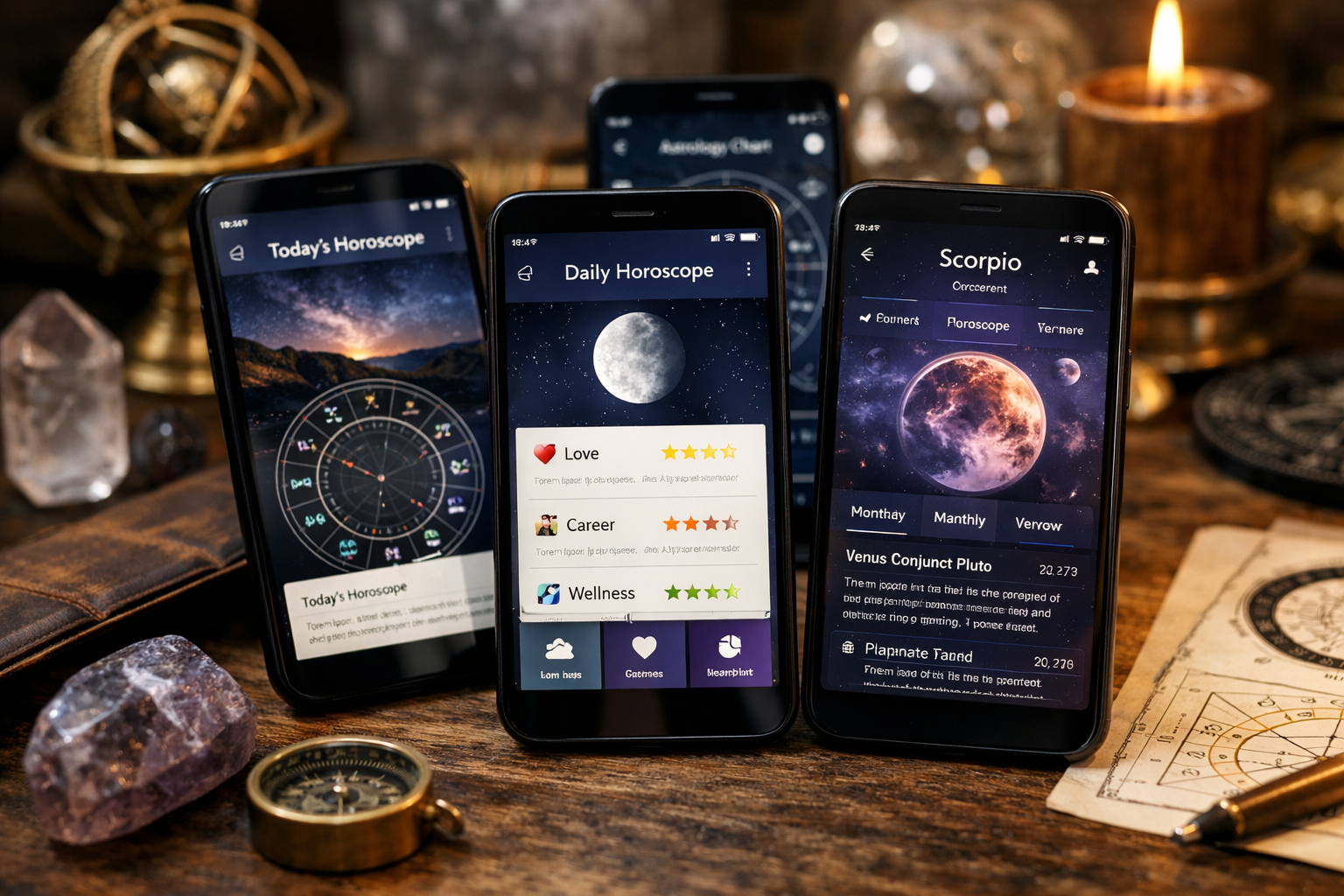
Finding the right astrology app is less about declaring one platform “the most accurate” and more about matching its approach to your needs. The best chani alternatives can offer deeper chart tools, faster daily check-ins, longer horoscope writing, or a more technical learning experience.
This practical guide compares CHANI with TimePassages, Co-Star, Astrology Zone, Astro.com, and AstroMatrix without making unrealistic promises about astrology. An accurate astrology app may mean correct birth-chart calculations to one reader, useful timing tools to another, or interpretations that feel thoughtful and personally relevant.
Official website · Latest pricing & offers
Best CHANI Alternatives at a Glance
The strongest chani alternatives are not necessarily direct replacements. They serve different kinds of readers, from people who want to study transits and chart placements to those who simply want a consistent morning horoscope ritual.
| If You Want… | Consider Starting With… | Why It May Fit |
|---|---|---|
| Technical chart exploration | TimePassages | Often associated with detailed chart-focused astrology |
| Fast daily prompts | Co-Star | Known for a short-form, app-first daily experience |
| Long-form horoscope reading | Astrology Zone | Better suited to readers who prefer written narrative |
| A research-oriented chart hub | Astro.com | Useful for readers who want to explore astrology resources |
| Layered mobile astrology | AstroMatrix | A possible fit for users who prefer multiple astrology views |
| Guided personalized astrology content | CHANI | Officially offers daily horoscopes, current-sky content, Astro 101, and app-linked personalized astrology messaging |
Quick Verdict by Use Case: Best CHANI Alternatives
For chart mechanics, TimePassages is one of the best chani alternatives to investigate first. For a quick, free-feeling daily habit, Co-Star may appeal more. Readers who value detailed written horoscope prose may prefer Astrology Zone, while Astro.com can suit people who want a more self-directed educational resource.
CHANI remains distinct for readers drawn to its official mix of daily horoscope content, astrology education, current-sky material, and personalized app messaging. It is not automatically the right choice for someone who wants highly technical chart analysis or a minimal, no-frills interface.
Who This Guide Is for
This astrology app comparison is for adults who are deciding whether to subscribe, download, or switch apps. You may already enjoy CHANI but want more chart depth, a different writing voice, a free starting point, or a less ritual-oriented format.
It is also for readers who see claims about an “accurate astrology app” and want a more realistic way to assess them. No app can objectively prove that every interpretation will resonate. What you can assess is whether its calculations, methodology, design, and style work for you.
What to Prioritize: Accuracy, Depth, UX, and Pricing
Before comparing chani alternatives, decide what “accuracy” means in your own practice. It may mean that the app accepts precise birth details, clearly presents natal placements, and provides timing information you can follow over time.
It can also mean interpretive usefulness. Some readers want a reflective reading that helps them think through a season of change; others want exact chart data and minimal editorial commentary. Neither preference is wrong, but they lead to different app choices.
What CHANI Does Well—and Why Some Users Still Look Elsewhere
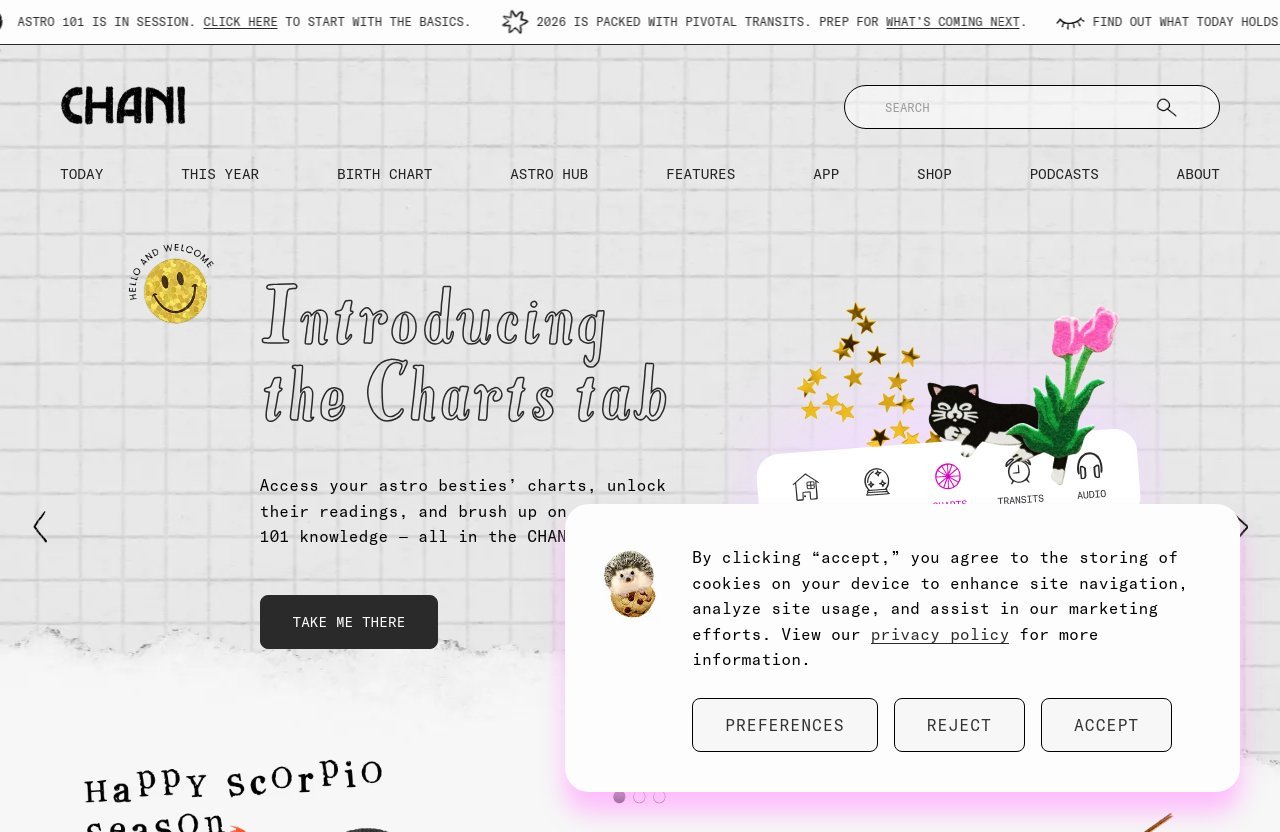
CHANI’s official website presents an approachable, content-led astrology experience. Its publicly visible materials include Astro 101 educational content, daily horoscopes, current-sky content, a weekly podcast playlist, and messaging about learning how astrological events may show up personally through the app.
The site also encourages readers to prepare for what is coming next in 2026. Its impact messaging states that more than $2.5 million has been generated for survivors of gender-based violence through its partnership with FreeFrom.
Astrologer-Written Weekly and Daily Guidance
The supplied official CHANI materials confirm daily horoscope content, current-sky content, Astro 101 resources, and personalized astrology messaging in the app. They do not, however, specifically verify the authorship process behind every reading, so it is better not to assume that all content is written or generated in one particular way.
For readers who value an editorial tone and ongoing guidance, CHANI’s visible content ecosystem may feel more cohesive than a chart-only tool. Its Astro 101 section can also make the experience friendlier for someone learning the basics.
Meditations, Journaling, and Ritual-Oriented Experience
Some users describe CHANI as part of a reflective astrology routine, but the supplied official homepage facts do not verify specific meditation or journaling features. It is important to separate what an app’s current official materials confirm from broader impressions found in reviews or social media discussions.
That distinction matters when comparing chani alternatives. If ritual, prompts, emotional reflection, or wellness-style guidance are essential to you, check the live app listing and in-app preview before paying rather than relying on older chani app review posts.
Why Users Search for CHANI Alternatives Anyway
A person can appreciate CHANI’s educational and personalized positioning yet still want another format. Technical learners may want more visible chart mechanics. Readers with a limited budget may prioritize a free daily check-in, while others may prefer longer horoscope essays over app notifications.
Pricing is another understandable reason to compare. The official CHANI pricing page provided for this review returned a 404 Not Found, so I cannot responsibly list current subscription prices or tiers. Verify the live App Store, Google Play listing, or official purchase flow before subscribing.
How to Judge an Astrology App for Accuracy Before Subscribing
The most useful way to evaluate chani alternatives is to test the app’s inputs, its transparency, and the actual type of guidance it provides. Marketing language alone rarely proves accuracy, especially in an interpretive field such as astrology.
A good evaluation process asks two questions: “Is the chart data being handled carefully?” and “Do I find the resulting interpretation useful?” Those are related, but they are not the same thing.
Chart Calculations vs Interpretation Quality
Chart calculation is the technical foundation. An app needs your birth date, birthplace, and—when available—an accurate birth time to create a more individualized natal chart. A wrong time, an unknown birthplace, or a mistaken time zone can change house placements and sometimes the rising sign.
Interpretation is the editorial layer added to that chart. Two apps can use the same birth data but explain it in completely different voices. One may focus on concise emotional themes; another may emphasize transits, aspects, houses, or traditional astrology terminology.
For technical users, test whether the app explains what you are seeing rather than simply giving a verdict. For readers seeking a supportive daily practice, assess whether the writing is clear, specific enough to be meaningful, and not so absolute that it becomes misleading.
Personalization Level and Birth Data Use
A personalized horoscope should ideally make clear what data it uses. At minimum, review whether the app requests a birth date, birth location, and birth time, and whether it allows you to correct those details later.
Be cautious with apps that make highly specific claims without explaining the basis for them. An accurate astrology app does not need to promise certainty. It should give you enough context to understand whether a message is based on your Sun sign, full natal chart, current transits, or another approach.
Free Sample Content, Transparency, and Ease of Testing
The best testing method is often simple: spend several days with the free experience before subscribing. Read the daily material, compare it with your chart, and determine whether the information is genuinely useful rather than merely attention-grabbing.
Look for clear account controls, accessible support information, and straightforward explanations of what is included in paid access. If an app’s billing terms or feature limits are difficult to find, treat that as a reason to pause.
This is especially relevant when searching for co-star alternatives or browsing “best astrology app Reddit” threads. User comments can reveal practical frustrations, but they are personal anecdotes—not proof that one platform is universally better.
Interface, Reading Style, and Subscription Value
User experience affects whether you will actually use an astrology app. A dense technical interface can be valuable to someone studying charts and frustrating to a person who wants a two-minute daily reading.
Consider these questions before choosing among chani alternatives:
- Do you want brief prompts or detailed explanations?
- Do you want to learn astrology terminology or avoid jargon?
- Are you interested in natal charts, current transits, relationship themes, or daily horoscopes?
- Can you preview enough content to judge the writing quality?
- Does the paid offering solve a real need beyond what free content already provides?
Best CHANI Alternatives by Type of User
Each of these options has a recognizable public-facing position, but features, platforms, and prices can change. Since official competitor product pages were not supplied for this review, the comparisons below remain qualitative rather than claiming exact specifications.
TimePassages for Technical Chart Work
TimePassages is commonly considered by readers who want a more chart-centered astrology experience. It may be a better fit than CHANI for someone who wants to spend time studying placements, aspects, transits, and the structural details behind an interpretation.
Among chani alternatives, this is the one I would research first if your priority is technical chart work rather than a daily lifestyle-style reading. Before committing, confirm that its available chart views, interpretation depth, and platform access match your own level of knowledge.
Co-Star for a Free Daily Horoscope-First Experience
Co-Star is widely recognized as a daily, mobile-first astrology brand. Its short-form style may appeal to users who want frequent check-ins and a streamlined interface rather than lengthy educational content.
It will not suit everyone. Some people enjoy a direct, punchy tone, while others prefer more context around why a transit or placement matters. If you are comparing Co-Star alternatives, test its voice first; writing style is often the deciding factor.
Astrology Zone for Long-Form Written Horoscopes
Astrology Zone is a sensible option to explore if you prefer longer written horoscope material. Rather than treating astrology as a sequence of alerts, it may better fit someone who wants to sit down with an extended forecast and absorb the broader themes.
This makes it one of the more relevant chani alternatives for readers who care primarily about prose quality. It is less about whether one style is “more accurate” and more about whether you prefer an essay-like reading over brief personalized app messages.
Astro.com for a Deep Knowledge and Chart-Resource Hub
Astro.com has long been associated in public discussions with charts, astrology resources, and a more self-directed exploration style. It can be a useful starting point for readers who want to learn the language of astrology and spend time with their own data.
Its experience may feel more technical than a polished daily-horoscope app. That can be a strength if you want reference material, but it may not be ideal if your goal is a quick and emotionally guided daily ritual.
AstroMatrix for Users Who Want Layered App-Style Astrology
AstroMatrix is worth considering for users who want an app-centered experience with multiple layers of astrology content. It may appeal to readers looking for a middle ground between simple daily horoscopes and a purely chart-reference environment.
As with all chani app alternatives, review what is available without payment and what is reserved for subscriptions before deciding. The value depends on whether its presentation helps you understand your chart, not on how many categories appear on a feature list.
Official website · Latest pricing & offers
Side-by-Side Comparison: Which App Fits Which Reader
This table is a fit guide, not a ranking of objective astrological truth. The “best” choice depends on how you use astrology and how much technical detail you want.
| Reader Need | Potential Fit | Why It May Work | What to Check First |
|---|---|---|---|
| Technical chart mechanics | TimePassages or Astro.com | More chart-oriented positioning | Chart settings, explanations, and learning curve |
| Quick daily check-ins | Co-Star | Mobile-first, concise daily style | Whether the tone works for you |
| Long written readings | Astrology Zone | Narrative horoscope orientation | Reading cadence and preferred level of detail |
| Beginner learning | CHANI or Astro.com | CHANI offers Astro 101; Astro.com is a known resource hub | Which teaching style feels clearer |
| Layered app exploration | AstroMatrix | App-style astrology positioning | Free access limits and content organization |
| Reflective personalized guidance | CHANI | Official site highlights personalized app messaging and current-sky content | Current subscription terms and live app preview |
Best for Technical Chart Mechanics
TimePassages and Astro.com are the most logical places to begin if you want to inspect a chart rather than only receive a conclusion. Readers who enjoy learning about houses, aspects, and transits may get more value from a technical presentation.
That does not automatically make either one more accurate than the other apps. It means their apparent use case is closer to the needs of someone who wants to verify placements and explore the “why” behind an interpretation.
Best for Quick Daily Check-Ins
Co-Star may suit readers who want astrology to fit into a brief daily routine. Its appeal is likely strongest for users who prefer a compact prompt over a long lesson or forecast.
If short daily content is your priority, compare a few days of material across chani alternatives before subscribing anywhere. You may find that the tone matters more than the amount of content.
Best for Long Readings
Astrology Zone is a natural option for readers who like substantial horoscope writing. A longer format can feel more useful when you want context around a month, season, or broader astrological period.
Longer does not necessarily mean more personally precise. It simply provides room for nuance, which many readers prefer over short statements that can feel too general.
Best for Beginners
Beginners need a service that does not force them to choose between vague language and overwhelming jargon. CHANI’s official Astro 101 content is a relevant advantage for those who want accessible learning alongside daily and current-sky material.
Astro.com may be helpful for a more independent learner. The better choice depends on whether you want structured editorial guidance or prefer exploring a broad chart-resource environment at your own pace.
Best for Users Who Want a Free Starting Point
A free starting point is valuable because it lets you test style before paying. Co-Star, Astro.com, and the other apps in this comparison may offer different degrees of accessible content, but availability can change by platform and region.
Do not assume that “free” means unrestricted. Check what information is visible before account creation, what requires payment, and whether the no-cost experience is enough for your actual needs.
Accuracy Considerations That Matter More Than Marketing Claims
An app label such as “most accurate” should always be treated carefully. Astrology is interpretive, and even technically consistent chart calculations can lead to different readings depending on settings and methodology.
The most trustworthy chani alternatives make it easier for you to understand your own data rather than asking you to accept every statement uncritically.
Birth Time Sensitivity and Chart System Differences
Birth time is often the biggest factor in personal chart variation. A small difference can affect the Ascendant and house placements, which can significantly change how an app frames life areas such as work, relationships, or home.
House systems can also differ. If two services use different settings or make different assumptions about an uncertain birth time, their results may not match exactly. That is not necessarily an error; it may reflect a different astrological framework.
Transits, Houses, and Why Readings Can Differ
Daily readings may be based on broad Sun-sign astrology, individual chart transits, current sky conditions, or a mixture of these approaches. An app that uses general sign-level writing may feel relevant but will not be personalized in the same way as one using a full natal chart.
The house emphasis also matters. A transit described as career-focused in one app could be framed as a public-image or responsibility theme elsewhere, depending on house system and interpretive choices.
Why Two Apps Can Feel Different Even With the Same Birth Data
Two apps can receive identical birth details and still produce noticeably different guidance. They may prioritize different planets, use different orb settings for aspects, choose different house systems, or simply employ a different editorial style.
This is why a “best” app is usually the one that is transparent, internally consistent, and helpful for your purposes. Treat astrology as a reflective tool, not a substitute for medical, legal, financial, or mental-health advice.
Pricing and Subscription Value: What to Check Before You Pay
Subscription value is about more than the monthly amount. It is about whether you use the content enough to justify the cost and whether the paid material offers a meaningful difference from the free experience.
Current prices and plan details should always be confirmed directly in the relevant app store or official checkout flow. This is particularly important here because the supplied CHANI pricing page was unavailable at the time of review.
Look for Free Previews or Trial Access
A preview lets you assess the content before making a commitment. Look for a sample daily horoscope, visible chart example, or a limited set of educational material that demonstrates the product’s tone and depth.
Avoid subscribing based only on screenshots, influencer recommendations, or a single viral post. A reliable astrology app comparison begins with your real experience of the content.
Compare Monthly Value Against Reading Depth
Ask what you will realistically use. A reader who opens an app once a month may be better served by free horoscope content or a chart website, while someone who studies transits weekly may value a deeper tool.
If you are considering CHANI for its guided approach, you can review its current offering through CHANI’s official path. This is an affiliate link, meaning Top Trust Review may earn a commission if you choose to subscribe, at no additional cost to you.
Watch for Hidden Limitations in Free Tiers
Free tiers can be excellent for testing, but they may limit personalized interpretations, saved charts, timing content, or advanced explanations. Read the upgrade screen carefully before entering payment details.
Also check renewal terms, cancellation steps, regional availability, and whether the experience differs between web and mobile. These practical details often matter more than a polished promotional page.
Our Recommendation: The Best CHANI Alternative for Each Scenario
There is no universal winner among chani alternatives. The right app reflects the role you want astrology to play: a technical subject to study, a brief daily prompt, a long-form reading practice, or a guided reflection tool.
If You Want a Technical Astrology Tool
Start with TimePassages if you want an app commonly associated with more technical chart work. Astro.com is also worth exploring if you prefer a resource-hub approach and want to investigate chart information independently.
Choose based on clarity, not complexity alone. More symbols and data do not automatically create more useful insight unless you understand how to interpret them.
If You Want a Free Daily Horoscope Habit
Co-Star is a reasonable place to start for readers who want a quick, app-first daily experience. Its style will be the key test: direct short-form messages can be engaging, but they are not for every reader.
Try a few days before making it your primary app. Consistency and tone matter more than novelty for a daily habit.
If You Want Reflective, Emotionally Guided Astrology
CHANI may be the better fit if you value its officially presented blend of daily horoscopes, current-sky content, Astro 101 learning, and personalized app messaging. Its public site also foregrounds a social-impact partnership with FreeFrom, which may matter to some users.
For this persona, technical density may be less important than whether the guidance encourages thoughtful reflection. Check the current live offering to ensure it still aligns with your expectations.
If You Want the Best Overall Fit for Accuracy Seekers
For accuracy seekers, the best choice is usually a two-part approach: use a technically oriented resource such as TimePassages or Astro.com to understand your chart data, then choose a reading app based on the writing and guidance that genuinely serves you.
If you want a guided, personalized astrology practice rather than a purely technical tool, CHANI is worth considering alongside the alternatives—not as an automatic winner, but as a distinct editorial and educational option. The strongest choice is the one that handles your birth data carefully, explains its approach clearly, and offers readings you can use thoughtfully.
Official website · Latest pricing & offers
FAQ
What is the best most accurate astrology app?
There is no single objectively “most accurate” astrology app for every person. The best option depends on whether you mean precise chart calculations, practical transit timing, strong personalized writing, or a clear learning experience.
Test how an app handles birth data, whether it explains its approach, and whether you can preview its content. Technical users may prefer chart-focused tools, while readers seeking daily guidance may prioritize interpretation quality and tone.
Does CHANI use AI?
The supplied official CHANI homepage information confirms astrology content, daily horoscopes, current-sky material, Astro 101, and an app-based personalized experience. It does not confirm whether CHANI uses AI in its content or product workflow.
For the most current answer, check CHANI’s live product descriptions, privacy information, or support materials before subscribing.
How much is a Chani app subscription?
I cannot verify a current CHANI subscription price from the supplied official source because the provided pricing page returned a 404 Not Found. Prices, plans, and billing options can also change by region or platform.
Check the current App Store, Google Play listing, or CHANI’s active purchase page before subscribing. Do not rely on old blog posts, screenshots, or outdated forum comments for pricing.
Is Prostar worth it?
Whether Prostar is worth it depends on whether its current feature set matches what you want from astrology software. Because no official Prostar product facts were provided for this comparison, I cannot make a definitive recommendation.
Compare its live features, free access options, current reviews, chart methodology, and cancellation terms against other apps before paying. The best value is the one you will use consistently and understand clearly.
Related Reading
References
- App recommendations : r/astrology
- Best CHANI alternatives in 2026 (honest list)
- Top 6 chani.com Alternatives & Competitors
- Best Astrology App 2026: ZODIA vs Co-Star vs Chani