Mycomicshop Grading Guide: Understand Comic Condition Before You Buy
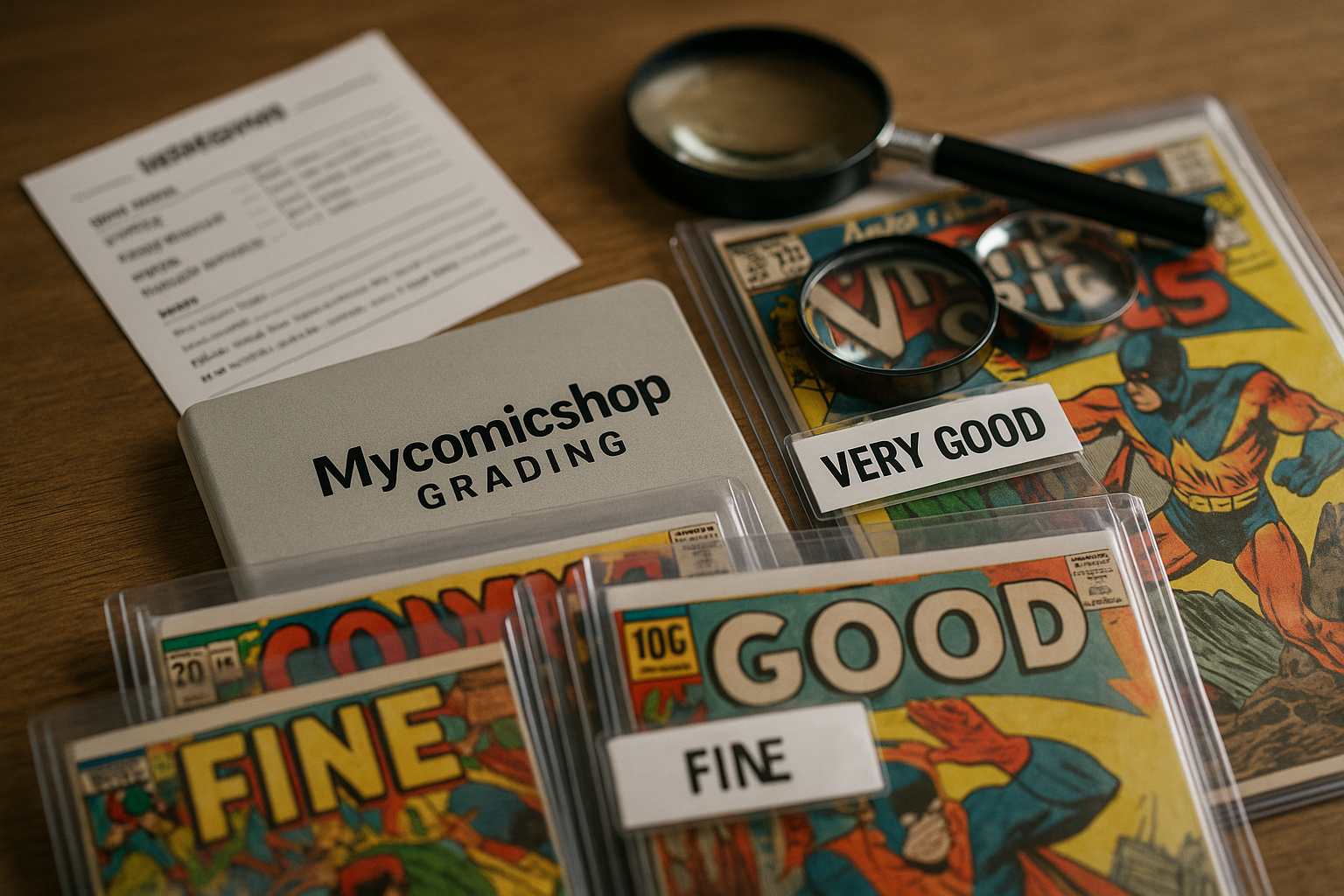
Comic condition can make the difference between a copy you love and one that disappoints you when it arrives. That is why understanding mycomicshop grading is useful before you buy comics online, especially if you are comparing back issues, key issues, or older reader copies.
This guide explains the comic book grading scale in practical terms, using buyer-friendly examples without pretending that every defect fits a perfect formula. The goal is simple: help you read grades, notes, and photos together so you can shop with more confidence.
Disclosure: This article contains affiliate links. If you use our MyComicShop affiliate link, we may earn a commission at no extra cost to you.
Official website · Latest pricing & offers
What MyComicShop Grading Means
Why condition grades matter when buying comics online
When you are shopping in person, you can hold a comic, tilt it under light, inspect the spine, and decide whether the condition feels acceptable. Online, you rely on the seller’s grade, description, and images. That is where mycomicshop grading becomes important.
A grade helps set expectations for visible wear, collectibility, and value. A higher-grade copy usually appeals more to collectors who care about presentation, while a lower-grade copy may still be perfectly enjoyable as a reading copy.
Condition also affects buyer confidence. If you know what NM, VF, FN, or VG generally means, you are less likely to overpay for a copy that does not match your collecting goal.
How MyComicShop uses grading to set expectations
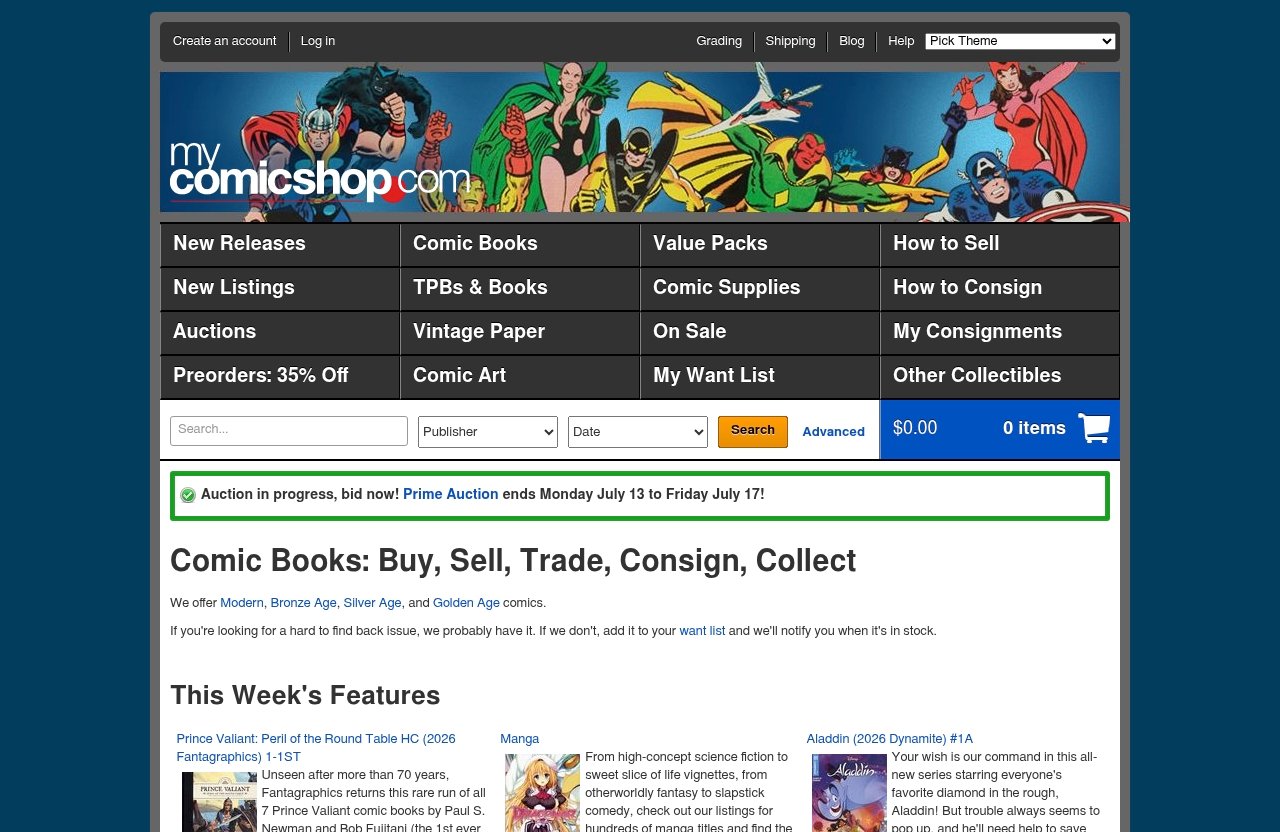
MyComicShop states that comics are assigned a grade from one of two grading scales. Its basic grading scale includes seven assignable grades: NM, VF, FN, VG, GD, FR, and PR.
That makes mycomicshop grading easy for beginners to start with because the core labels are familiar across the hobby. Instead of trying to decode every possible number first, you can begin with the broad condition category and then look deeper at notes and photos.
MyComicShop’s official site also states that it has been selling comics since 1961 and on the web since 1996. Longevity alone does not remove the need to inspect listings, but it does show that grading and condition descriptions are central to how the marketplace presents back issues.
Basic vs. more detailed grading language
The basic comic book grading scale gives you a quick shorthand. NM means Near Mint, VF means Very Fine, FN means Fine, VG means Very Good, GD means Good, FR means Fair, and PR means Poor.
More detailed grading language may include plus or minus modifiers, listing notes, restoration notes, or specific defects. For example, a Fine copy and a Fine-minus copy can both sit in the same general range, but the minus tells you to expect a slightly weaker example.
A smart buyer treats mycomicshop grading as the starting point, not the only piece of evidence. The best habit is to combine the grade, listing details, and issue photos before deciding whether the copy fits your budget and standards.
MyComicShop’s Official Comic Grading Scale
NM: Near Mint
NM, or Near Mint, is the top grade in MyComicShop’s official basic grading scale. In everyday buyer language, this is the type of copy most people expect to look sharp, clean, and well-preserved.
A Near Mint comic may show very minimal signs of handling, but buyers should still remember that “Near Mint” does not mean magically perfect. Look for strong cover appeal, good gloss, sharp corners, and a spine that does not distract from the overall presentation.
For collectors chasing high-grade display copies, NM is usually the most desirable basic grade. In mycomicshop grading, this is the grade range many buyers check first for modern books, important covers, or personal favorites they want in the best available condition.
VF: Very Fine
VF, or Very Fine, is a strong collector grade. A VF comic grade generally suggests a clean, attractive copy with some visible wear, but not enough to make it feel heavily handled.
You might notice small spine stress, minor corner wear, light surface wear, or other modest signs of age. The key practical point is that a VF copy should still present well, especially when compared with mid-grade or lower-grade examples.
For many buyers, VF is the sweet spot between appearance and cost. If NM pricing feels too high, the vf comic grade can still offer strong eye appeal while leaving room in the budget for more issues.
FN: Fine
FN, or Fine, is one of the most important grades for buyers to understand. A fine comic grade usually means a solid, presentable copy with moderate wear that is visible but not overwhelming.
You may see more noticeable spine ticks, softer corners, small creases, light cover wear, or aging that makes the comic feel less crisp than VF. Still, a Fine copy can look very respectable in a collection, especially for older books.
In mycomicshop grading, FN often matters because many back issue buyers are balancing condition against availability. A fn comic grade may be a practical choice when you want a nice copy without paying for a much sharper one.
VG: Very Good
VG, or Very Good, is a lower mid-grade condition. Despite the name, a Very Good comic is not “very good” in the everyday sense of being nearly flawless; in comic grading, it usually means a copy with obvious wear but still decent overall structure.
Expect more handling wear, creasing, spine wear, edge wear, possible small tears, and a more aged appearance. The book can still be complete and enjoyable, but it will not have the same crisp look as FN, VF, or NM.
VG can be a smart grade for readers, budget collectors, and people buying older issues where higher-grade copies become expensive. If the listing notes are acceptable, VG can offer good collecting value.
GD: Good
GD, or Good, is a well-worn grade. In a comic condition guide, Good usually indicates a complete but heavily used copy with significant defects.
A GD comic may have substantial creases, spine wear, tears, cover wear, writing, stains, or other flaws. It may still be readable and collectible, but it is not the grade to choose if you are sensitive to visual defects.
That said, Good copies have a place. For rare Golden Age, Silver Age, or key issues, a lower-grade copy can still be meaningful because availability matters. Mycomicshop grading helps you identify that you are buying a worn copy before you commit.
FR: Fair
FR, or Fair, means the comic has major condition problems. This is a grade for copies that are typically very worn and may have serious visual or structural defects.
A Fair comic might have heavy creasing, significant tears, loose components, major staining, or other issues that reduce its appeal. Buyers should read notes carefully because the specific problem matters more at this level.
Fair copies are usually best for readers, completionists, or collectors who simply want an affordable example of a scarce issue. They can also make sense when the alternative is not owning the book at all.
PR: Poor
PR, or Poor, is the lowest grade in MyComicShop’s official basic grading scale. A Poor comic is generally a heavily damaged copy with severe defects.
This may include major missing pieces, heavy wear, significant staining, serious structural issues, or other problems that make the comic more of a placeholder than a display-quality collectible. At this level, the listing notes and photos are essential.
A Poor copy can still have value if the issue is rare, historically important, or personally meaningful. But for most buyers, mycomicshop grading at PR is a clear signal to inspect everything closely and keep expectations realistic.
How to Read Grade Modifiers and Listing Notes
Why plus/minus grades can matter
Grade modifiers help describe nuance inside a broad category. Fine-plus, Fine, and Fine-minus may all feel similar to a beginner, but experienced buyers know those small differences can affect presentation and value expectations.
A plus often suggests the copy is stronger than the base grade, while a minus suggests it is weaker. You should not treat modifiers as exact mathematical promises, but they are useful clues when comparing similar copies.
This is where comic grading scale examples become helpful. If two copies are both around Fine, the one with better corners, cleaner spine, or stronger cover appeal may feel like the better buy even if the shorthand grade is close.
What grading notes usually reveal
Listing notes can reveal the details that a shorthand grade cannot. They may point out condition factors such as creases, tears, page quality, writing, detached parts, restoration, or other defects.
For buyers, this is often where the real decision happens. A grade tells you the general range, but notes explain why the comic landed there.
When using mycomicshop grading as part of your buying process, pause on the notes instead of skipping straight to price. A lower-grade comic with defects you do not mind may be better for you than a higher-grade comic with a defect that bothers you every time you look at it.
When to trust the grade and when to inspect photos
A grade is useful, but photos can be more persuasive when eye appeal matters. If the issue is expensive, rare, or important to your collection, inspect the images carefully.
Look at the spine, corners, cover gloss, color breaks, edge wear, and any visible stains or creases. If you are used to a comic grading scale with pictures, listing photos can serve a similar purpose by helping you connect the grade to the actual book.
Photos matter most when small differences change your satisfaction. A VF copy with a defect in a highly visible area may bother one buyer more than an FN copy with wear spread more evenly across the book.
What Condition Usually Means for Buyers
Reading grade for display copies
If you want to display a comic, prioritize eye appeal. NM and VF copies are usually the first grades to consider because they tend to look cleaner and sharper.
That does not mean FN cannot work for display. Many Fine copies still present nicely, especially from a normal viewing distance or inside a protective bag and board.
For display buyers, mycomicshop grading should be paired with photos. The front cover matters most because that is what you will see every day.
Reading grade for reading copies
If your goal is to read and enjoy the story, you do not always need a high-grade copy. VG, GD, or even FR can be acceptable if the comic is complete enough for your purpose and the defects do not interfere with reading.
Reading copies are especially practical for older back issues, long runs, and books where you care more about the content than display value. This approach can also stretch your budget.
A simple comic grading chart can help here: higher grades are cleaner, lower grades are more worn, but lower does not automatically mean useless. The best reading copy is the one that matches your comfort level and price range.
Reading grade for investment or resale
If you are buying with resale or long-term collectibility in mind, condition usually becomes more important. Higher-grade copies are typically preferred by collectors, especially for key issues, popular covers, first appearances, and high-demand books.
However, rarity complicates the decision. For some older or hard-to-find comics, even lower-grade copies can remain desirable because supply is limited.
When evaluating mycomicshop grading for investment or resale, do not rely only on the grade label. Compare the listing notes, visible defects, scarcity, and your own risk tolerance before deciding what to pay.
Official website · Latest pricing & offers
Common Mistakes New Comic Buyers Make
Confusing age with condition
A common beginner mistake is assuming an old comic must be low grade or that a newer comic must be high grade. Age and condition are related, but they are not the same thing.
An older comic can be well preserved, and a modern comic can be damaged by poor storage or handling. Always judge the specific copy, not just the publication date.
This is why a comic condition guide is more useful than a simple “old equals worn” rule. Grade the book in front of you, not the era it came from.
Assuming all Fine copies look the same
Not every Fine copy has the same defects. One FN comic grade might have several small spine ticks, while another might have a crease or a small tear that affects eye appeal differently.
Both can belong in the same broad grade range, yet one may look much better to you. This is where personal preference matters.
When reading mycomicshop grading, treat FN as a condition category, not a guarantee that every Fine book will look identical. Compare copies whenever possible.
Ignoring page quality and defects
New buyers often focus only on the front cover. That is understandable, but page quality and structural defects can matter a lot.
A comic with nice cover appeal may still have interior problems, page aging, detached staples, writing, or other issues noted in the listing. Those details can affect enjoyment, collectibility, and resale expectations.
Before buying, scan for notes about restoration, page quality, missing pieces, or major defects. Small flaws are normal in many grades, but surprises are what you want to avoid.
How MyComicShop Helps You Shop Smarter
Using the want list
One helpful official feature is the want list. If MyComicShop does not have a hard-to-find back issue, users can add it to a want list and be notified when it is in stock.
That is useful when you are waiting for a specific issue in a condition range you actually want. Instead of repeatedly searching manually, you can use the want list as part of your buying routine.
For shoppers comparing mycomicshop grading, this can help you stay patient. If the only available copy is too low grade or too expensive for your goal, waiting for another listing may be the smarter move.
Filtering by grade before buying
Before you buy, narrow your options by condition first and price second. Even if you are simply comparing visible grades in the listings, start by deciding which grade range fits your goal.
For example, a display collector might focus on NM to VF, while a run builder may be comfortable with FN to VG. A reader may consider GD or lower if the issue is affordable and readable.
If you use community opinions, such as a mycomicshop grading reddit discussion, treat them as extra perspective rather than a replacement for the listing itself. The actual grade, notes, and photos should carry the most weight.
Why a trusted seller’s grading policy matters
A seller’s grading policy matters because grading is part technical judgment and part condition communication. Clear grading reduces surprises and helps buyers understand what they are getting.
MyComicShop’s long history in comics is relevant here: its official site says it has been selling comics since 1961 and on the web since 1996. For buyers, the practical takeaway is to read the seller’s grading approach and compare it with the individual listing details.
If you are ready to browse current listings, you can visit MyComicShop through our affiliate link. Just remember to evaluate each book by grade, notes, and photos together.
If You’re Selling or Consigning Comics
How grading affects value
For sellers, grading is not just a label. It can affect buyer interest, value expectations, and how quickly a comic attracts the right audience.
A book described too generously may disappoint buyers, while a book described too harshly may leave value on the table. Accurate condition language helps both sides.
MyComicShop’s official site says “We Buy Comics” and lists categories including Gold, Silver, Bronze, and high-grade Modern comics. The official site also mentions cash advances up to $1M available, but sellers should review current official terms directly before making decisions.
Why accurate grading protects seller trust
Trust is essential in comic selling because buyers cannot physically inspect the book before purchase. Accurate grading protects the seller’s reputation and gives buyers confidence.
If you are selling a collection, avoid assuming every bagged comic is high grade. Storage, handling, spine stress, moisture, and page aging can all affect comic book condition.
Using mycomicshop grading as a learning reference can help sellers understand how buyers interpret condition labels. The more realistic the grade, the fewer mismatched expectations.
Where consignors should pay extra attention
If you are consigning or preparing books for sale, pay close attention to keys, older issues, and high-grade modern comics. Small grade differences can matter more when the book is desirable.
Look for defects that are easy to miss: tiny spine ticks, staple wear, light bends, small stains, interior writing, clipped coupons, or signs of restoration. These details can change how a buyer views the listing.
For valuable books, condition transparency is better than wishful thinking. A careful grade builds trust, while vague optimism can create problems later.
Quick Comic Grading Checklist Before You Buy
Look at the grade
Start with the grade because it sets the baseline. NM, VF, FN, VG, GD, FR, and PR each tell you the general condition range.
Use a comic grading chart as a quick mental guide: higher grades usually mean cleaner presentation, while lower grades mean more visible wear. Then ask whether that range fits your purpose.
With mycomicshop grading, the grade is the first filter, not the final answer. It tells you where to begin your inspection.
Read the notes
Next, read every condition note. Notes explain the specific flaws that may not be obvious from the grade alone.
Look for mentions of restoration, page quality, tears, creases, stains, writing, detached pieces, or other important defects. Decide which flaws you can accept and which ones are deal-breakers.
This step is especially important for mid-grade and low-grade comics because the same grade can include different combinations of wear.
Check the issue photos
Photos help you judge eye appeal. Look closely at the front cover, spine, corners, edges, and any visible color-breaking creases.
If the image shows a defect that would bother you, do not ignore it just because the grade seems acceptable. Your personal satisfaction matters.
For buyers who want comic grading scale examples, comparing photos across several listings is one of the best ways to train your eye.
Match the grade to your goal
Finally, match condition to purpose. A display copy, reading copy, and resale-focused copy do not need the same grade.
If you want a book to look great on a wall or in a graded collection, aim higher. If you want to read a classic issue affordably, a lower grade may be completely reasonable.
The best use of mycomicshop grading is not chasing the highest grade every time. It is choosing the right grade for the right reason.
Final Takeaway: Buy with Confidence
When to pay more for grade
Pay more for grade when condition truly matters to your goal. This is usually the case with key issues, favorite covers, high-grade runs, and books you may eventually resell.
Higher-grade comics often provide better eye appeal and stronger collector interest. But the grade should still be supported by the notes and photos.
The safest approach is to treat mycomicshop grading as one part of a full buying decision. A strong grade, clean notes, and appealing photos together are more reassuring than any one factor alone.
When a lower grade is still a smart buy
A lower grade can be smart when the issue is rare, the price fits your budget, or your main goal is reading. VG, GD, FR, and PR copies all have a place in the hobby.
For older back issues, a lower-grade copy may be the only realistic option. If the defects are clear and acceptable to you, the purchase can still be satisfying.
Do not let grade anxiety stop you from enjoying comics. The right copy is the one that matches your purpose, budget, and tolerance for wear.
A simple rule for beginners
Here is the simplest beginner rule: never buy from the grade alone. Read the grade, read the notes, inspect the photos, and then decide whether the comic fits your goal.
That habit will help you avoid most common surprises when buying back issues online. It also gives you a practical way to compare copies without needing to be a professional grader.
In short, mycomicshop grading is most useful when you use it as a guide, not a shortcut. Combine condition labels with careful inspection, and you can buy comics online with much more confidence.
Official website · Latest pricing & offers
FAQ
What grading scale does MyComicShop use for comics?
MyComicShop states that comics are assigned a grade from one of two grading scales. Its basic grading scale includes seven assignable grades: NM, VF, FN, VG, GD, FR, and PR.
For beginners, those labels are the best place to start. They give you a quick condition range before you review listing notes and photos.
Is MyComicShop grading reliable?
Grading reliability is best judged by comparing the listed grade, notes, and photos together. A clear grade is helpful, but the details explain what defects are present.
Trusted sellers and clear grading policies reduce surprises, but buyers should still inspect each listing carefully. That is especially true for expensive, rare, or condition-sensitive books.
What does Fine mean in comic grading?
Fine, or FN, is generally a solid mid-to-upper condition grade. A Fine comic often has moderate visible wear but can still be attractive and collectible.
Many buyers like the fine comic grade because it can offer a nice balance between appearance and price. It is often a practical choice when VF or NM copies cost significantly more.
What is the difference between VF and FN?
VF, or Very Fine, is generally cleaner and sharper than FN, or Fine. A VF copy usually has less visible wear, better overall presentation, and stronger eye appeal.
FN can still be very collectible, especially for older books or harder-to-find issues. The best choice depends on your budget, goals, and how much visible wear you are willing to accept.
Can I use MyComicShop’s want list for out-of-stock comics?
Yes. If MyComicShop does not have a hard-to-find back issue, users can add it to a want list and be notified when it is in stock.
This is useful when you are waiting for a specific issue or hoping for a better condition copy. It can help you avoid settling for a grade that does not match your collecting goal.