How to Know If a Remote Job Offer Is Legit in 2026

Learning how to know if a remote job offer is legit is now a core job-search skill. Remote roles can be found through respected job boards, LinkedIn, social media, recruiter emails, and direct messages—but those same channels are also used by scammers impersonating real companies.
The goal is not to assume every unfamiliar opportunity is fraudulent. It is to use a consistent verification framework before you reply, share personal information, complete onboarding paperwork, or accept a work-from-home role. This guide explains the practical checks that separate a normal remote hiring process from a scam.
Official website · Latest pricing & offers
What Counts as a Legit Remote Job Offer in 2026?
A legitimate remote offer comes from a verifiable employer, describes a real role, follows a reasonable hiring process, and does not require you to pay money to get hired. When evaluating how to know if a remote job offer is legit, look beyond a polished job description or familiar company logo.
A real company may hire quickly, use an external recruiter, or conduct early interviews online. However, it should still be possible to confirm the organization, recruiter, job listing, and employment terms through independent sources.
Remote-First vs Hybrid vs Location-Flexible Roles
Remote-first roles are designed for employees who work primarily away from a company office. Hybrid jobs typically require some office attendance, while location-flexible roles may permit remote work only in certain states, countries, or time zones.
These distinctions matter because scammers often use vague labels such as “work anywhere globally” without discussing tax eligibility, schedules, reporting relationships, or legal work authorization. Legitimate listings usually clarify where candidates can live and whether the role is fully remote.
What a Real Offer Usually Includes
A genuine offer normally identifies the employer’s legal or public-facing name, job title, manager or department, salary or pay structure, employment status, and start-date expectations. It also explains the next stage in the hiring process.
When deciding how to know if a remote job offer is legit online, ask whether the recruiter can answer basic questions about daily responsibilities, team structure, performance expectations, and the official employment agreement. Vague claims about “easy online work” are not enough.
Why Scam Tactics Have Evolved With Remote Hiring
Remote hiring makes it normal to communicate by email, video call, applicant tracking systems, and chat. Scammers take advantage of that familiarity by copying company branding, creating lookalike websites, and posing as recruiters.
The most effective safety-first approach is to verify the source before trusting the message. A professional-looking PDF, a LinkedIn profile, or an email signature can be copied; a consistent trail across official company channels is much harder to fake.
The Fastest Red Flags That a Remote Job Offer Is Fake
The quickest way to assess how to know if a remote job offer is legit is to watch for requests or behavior that legitimate employers generally avoid. One odd detail does not automatically prove fraud, but several red flags together should stop the process.
Upfront Fees or Equipment Purchases
A real employer does not require candidates to pay application fees, training fees, background-check fees through an unknown vendor, or deposits for equipment. Some companies provide equipment, while others offer a documented reimbursement process after hiring, but neither approach requires sending money to a recruiter.
Be especially cautious with wording such as: “Purchase the laptop today and we will refund you after your first paycheck.” This is a common work from home scam pattern, particularly when payment is requested through gift cards, cryptocurrency, wire transfer, or a personal payment app.
Too-Good-to-Be-True Pay for Simple Tasks
High pay is not proof of a scam, but unusually high compensation for vague entry-level work deserves scrutiny. Listings promising large daily earnings for copying documents, liking posts, processing payments, or “assistant” tasks often conceal fraud.
To understand how to know if a job offer is legit, compare the pay, duties, and qualifications with similar listings from established employers. A real role may pay well, but it will usually explain why the work requires specific skills, experience, availability, or responsibility.
Pressure to Act Immediately
Scammers want you to act before you have time to investigate. They may say the role will disappear in an hour, that you must provide ID immediately, or that you need to deposit a check before the “accounting deadline.”
Normal employers may move fast, especially for urgent openings, but they do not punish reasonable verification. Pressure tactics are among the clearest remote hiring red flags because trustworthy recruiters expect candidates to read documents and ask questions.
Poor Grammar, Odd Email Domains, and Vague Job Descriptions
A minor typo can happen in a real email. The concern is a pattern of errors combined with a suspicious sender address, generic greeting, copied language, or unclear duties.
Check the full email domain carefully. An authentic message from company.com is different from a lookalike such as company-careers.co, companyhrjobs.com, or a free email account that has no connection to the organization. Knowing how to know if a remote job offer is legit often begins with noticing one extra letter, hyphen, or altered domain ending.
Interview Process That Skips Normal Screening
An offer after a short text exchange is not a normal hiring process for most salaried remote jobs. Legitimate employers generally want to assess your experience, communicate role expectations, and document their decision.
Be wary if a “recruiter” refuses a video or phone conversation, uses only Telegram, Signal, WhatsApp, or text, and offers a job without reviewing your background. Chat can be part of a real process, but chat-only recruiting should be independently verified.
How to Verify a Remote Job Offer Step by Step: How to Know If a Remote Job Offer Is Legit
Use the same sequence every time you receive an opportunity. This process is more reliable than relying on instinct, especially when a listing appears on a familiar platform or uses the name of a real company.
Check the Company Website and Domain Age Clues
Start with the company’s official website. Look for a functioning site, consistent branding, contact information, privacy and legal pages, leadership details, and a careers section.
Then compare the recruiter’s email domain with the domain shown on the official website. If the company’s real domain is example.com, an email from examplecareers-jobs.com should be treated as suspicious until proven otherwise. Domain age clues can also help: a newly created site claiming to represent a long-established employer deserves closer review.
Confirm the Recruiter’s Identity on LinkedIn and Company Channels
Search the recruiter’s full name, company, and job title on LinkedIn. Review whether their work history is consistent, whether they have credible connections, and whether their profile links to the same company.
For how to know if a remote job offer is legit reddit discussions can sometimes surface warnings, but do not treat anonymous comments as final proof. A stronger check is to contact the company through the phone number or contact form listed on its official website and ask whether that recruiter and opening are genuine.
Search the Company Name Plus Scam, Fraud, or Complaints
Search the employer’s name alongside terms such as “scam,” “fraud,” “complaints,” “fake recruiter,” and the title of the advertised role. Search the email address, phone number, payment instructions, and wording from the job message in quotation marks as well.
A company having complaints does not automatically mean every job is fake. The useful pattern is repeated reports describing the same email domain, recruiter identity, fake check, equipment payment, or interview script.
Verify Business Registration and Physical Presence
For a company you do not recognize, check the relevant government business registry where it says it operates. Look for a matching legal entity name, active status, and an address that makes sense for the business.
A physical address alone is not proof, since virtual offices exist and scammers can copy addresses. Still, this check adds context when you are working out how to know if a remote job offer is legit and the employer has little established online presence.
Cross-Check the Role on the Company Careers Page
Go to the company website directly rather than using the link in the recruiter’s message. Search its official careers page for the same title, location, department, and requisition number.
Not every opening appears publicly, especially when a staffing agency is involved. If the role is absent, ask the recruiter for the requisition number and verify it through official HR contact details. This is also one of the best ways to learn how to spot fake job postings on Indeed or how to spot fake job postings on LinkedIn.
Common Remote Job Scam Types to Watch For
A fake online jobs list can be useful for recognizing broad patterns, but scammers regularly change names and job titles. Focus on the mechanics of the offer and what the person wants you to do.
Fake Data Entry and Customer Support Jobs
These scams advertise flexible hours, simple tasks, and fast income. The supposed employer may ask you to process payments, communicate with customers through personal accounts, or buy training materials.
The real objective is often identity theft, unauthorized payment activity, or an upfront-fee scheme. If a role has no clear software, manager, client process, or measurable work product, treat it as a major warning sign.
Reshipping and Package-Forwarding Scams
In a reshipping scam, the “employer” sends packages to your home and tells you to inspect, relabel, and forward them. The goods may have been purchased using stolen payment information.
No legitimate remote logistics role should require you to receive suspicious packages at home without formal employment documents, insurance information, and verifiable business operations. Understanding how to know if a remote job offer is legit means recognizing that “work from home shipping coordinator” can carry serious risk.
Fake Check and Overpayment Scams
A scammer may send a check for equipment and instruct you to deposit it, keep part of the money, and send the rest to a vendor. The check later fails, but any money you sent is gone.
Never use a personal bank account to move money for a new employer. A legitimate company purchases equipment directly, ships it through an established supplier, or uses documented payroll reimbursement procedures.
Crypto, Gift Card, and Payment App Scams
No credible employer asks applicants to pay in cryptocurrency, buy gift cards, or send funds to a personal Cash App, Venmo, PayPal, or similar account. These payment methods are difficult to reverse and are commonly favored by scammers.
A request to “verify your payroll account” by sending money is not payroll verification. It is a scam attempt.
Phishing Disguised as Onboarding
Fraudulent onboarding portals can collect your Social Security number, passport, driver’s license, bank account, and login credentials. The page may resemble a well-known HR platform but use a slightly altered URL.
Before uploading documents, independently access the employer’s official careers or HR portal. Do not sign in through an unsolicited link until you have confirmed the job and the sender.
Official website · Latest pricing & offers
How Legit Companies Usually Hire for Remote Roles
Knowing what normal hiring looks like makes how to know if a remote job offer is legit less stressful. Legitimate processes vary, but they usually include enough transparency for you to understand who is hiring you and what you are accepting.
Normal Interview Stages and Timelines
A typical remote process may include an application review, recruiter screen, hiring-manager interview, skills assessment, team interview, reference check, and written offer. Smaller companies may use fewer stages, but they still evaluate candidates in a meaningful way.
An employer can make a fast decision if your background is a strong match. The concern is not speed alone; it is an instant offer with no legitimate assessment.
Real Recruiters Do Not Rush or Hide Details
A genuine recruiter should be able to explain the company, team, job responsibilities, compensation range where appropriate, hiring manager, and next steps. They may not reveal every internal detail, but they should not avoid basic questions.
If you are unsure how to know if a remote job offer is legit, ask: “Can you send the official job posting or requisition number?” and “Which company email or HR contact can verify this opening?” A legitimate recruiter should not react defensively to routine questions.
Why Legitimate Companies Use Official Emails and HR Systems
Established employers generally use corporate email accounts and secure applicant tracking or HR systems. Staffing agencies may use their own official domains, but those domains should match the agency’s public website.
A message through LinkedIn can be legitimate, yet the process should eventually move to a traceable professional channel. Keep records of names, email addresses, documents, and dates throughout the process.
When Background Checks and Tax Forms Are Appropriate
Background checks, identity verification, tax forms, and direct-deposit details can be normal after a written offer is accepted and you have verified the employer. They should be handled through a recognized secure system or a confirmed HR representative.
Do not provide sensitive information merely to “reserve” an interview. The timing matters as much as the document itself.
What to Do If You Already Replied, Clicked, or Shared Information
If you already engaged with a suspicious recruiter, stay calm and act promptly. Replying to a message does not necessarily create harm, but sensitive information, passwords, funds, and account access require immediate attention.
If You Gave Personal Information
If you shared your address, phone number, date of birth, ID image, or Social Security number, save screenshots, emails, attachments, URLs, and payment instructions. Change passwords for any account that may be connected to the information you provided.
Use strong, unique passwords and enable multi-factor authentication. Consider a credit freeze or fraud alert through the relevant credit reporting agencies if you shared highly sensitive identity information.
If You Submitted Banking or Tax Details
Contact your bank or credit union promptly if you gave account or routing numbers. Ask what monitoring, account replacement, or transaction controls are appropriate for your situation.
Knowing how to know if a remote job offer is legit includes knowing when a fake onboarding page has crossed into a financial-security issue. Monitor account activity and be skeptical of follow-up messages claiming they can “fix” the problem for a fee.
If You Sent Money or Bought Equipment
Contact the payment provider, bank, card issuer, or payment app immediately. Explain that the payment was connected to a suspected employment scam and ask whether it can be stopped, reversed, or investigated.
Do not send additional money to recover a prior payment. Recovery scams often target people who have already been defrauded.
How to Report the Scam and Protect Accounts
Report the fraudulent listing to the job board, social platform, or messaging app where you found it. You can also report suspected fraud to appropriate consumer-protection, identity-theft, or law-enforcement channels in your country.
Save all evidence before blocking the sender. These records can support a bank dispute, platform report, or identity-theft report.
A Remote Job Offer Legitimacy Checklist You Can Use Today: How to Know If a Remote Job Offer Is Legit
Use this checklist before moving forward. It is designed for job board listings, recruiter outreach, social-media messages, and direct email offers.
Before the Interview
- Confirm the sender’s email domain matches the company’s official website.
- Search the company name plus “scam,” “fraud,” and “complaints.”
- Verify the recruiter’s LinkedIn profile and work history.
- Check whether the job description identifies duties, manager, location rules, and qualifications.
- Avoid moving immediately to encrypted chat apps without an official email trail.
Before the Offer Letter
- Find the same role on the official careers page or verify it with the company.
- Confirm the company’s business registration when the employer is unfamiliar.
- Request a video or phone conversation with a recruiter or hiring manager.
- Review pay, employment classification, benefits, and reporting structure.
- Never accept an offer that requires an upfront payment.
Before Onboarding
- Confirm the offer letter comes from an official company domain.
- Verify that the legal employer name matches the company you researched.
- Access HR portals independently rather than through unsolicited links.
- Read document requests carefully and confirm why each item is needed.
- Do not share bank or tax details before the employer and offer are verified.
Before Any Payment or Document Submission
- Stop if asked to cash a check, forward a package, buy gift cards, or purchase crypto.
- Do not use your own account to transfer company money.
- Save messages and screenshots if anything feels inconsistent.
- Contact the employer through details on its official website to verify.
- Trust the pause: a real employer will allow time for reasonable due diligence.
When a Remote Job Offer Is Probably Legit But Still Needs Caution
Not every unusual hiring process is fake. The key is to add verification rather than dismissing a potentially good opportunity.
New Startups and Sparse Online Footprints
A new startup may have limited reviews, a small team, and a basic website. That can be normal, but it also means you should confirm founders, funding claims, business registration, customer activity, and the company email domain.
For these situations, how to know if a remote job offer is legit depends on documentation and direct verification, not the size of the company’s social following.
Independent Recruiters and Staffing Agencies
Independent recruiters and agencies often contact candidates for roles that are not publicly listed. Verify the agency’s website, recruiter profile, corporate email, and relationship with the client company.
A genuine recruiter can usually explain whether they are representing the employer exclusively, whether the client name is confidential at first, and when you can expect full role details.
Global Companies With Nontraditional Hiring Flows
International remote employers may use different interview platforms, contracts, payroll providers, or time-zone schedules. Those differences are not automatic scam signals.
Still, confirm the legal entity, employment arrangement, payment currency, tax responsibilities, and official communication channels. Unusual is not the same as fraudulent, but unclear payment and identity details should always be resolved first.
Recommended Next Steps for Remote Job Seekers: How to Know If a Remote Job Offer Is Legit
Build a repeatable process instead of trying to memorize every job scammer list. The core rules are simple: verify the company independently, confirm the recruiter and opening, avoid urgency and upfront payments, and protect sensitive information until the offer is clearly real.
Use a Verified Remote Job Board
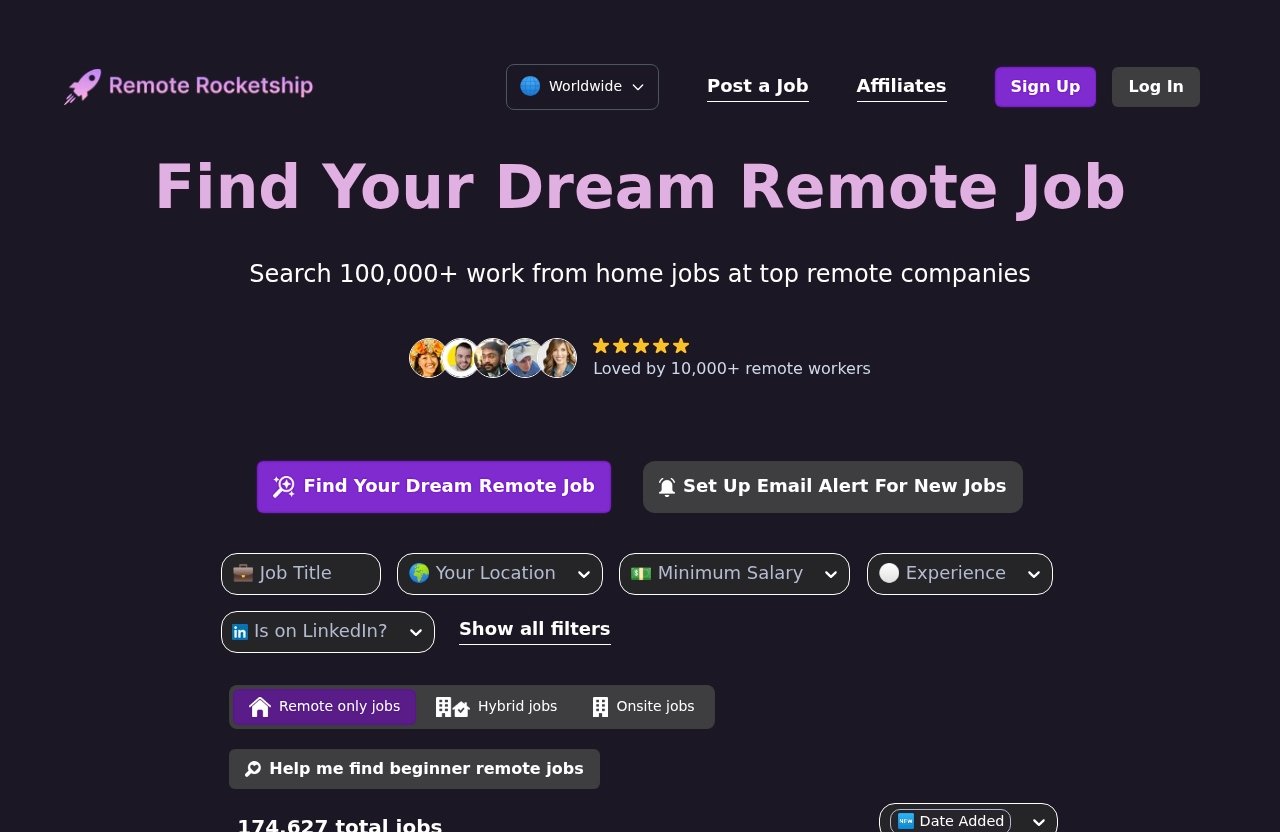
Use job sources that make it easier to research employers and compare listings, rather than relying only on unsolicited messages. Readers who want another place to browse remote opportunities cautiously may consider Remoterocketship.
TopTrustReview may earn a commission if you sign up through affiliate links. Verified pricing and feature details for Remoterocketship were not accessible from the official pages provided because remoterocketship.com returned a security verification page during review.
Save Suspicious Listings for Review
Do not feel pressured to decide in the moment. Save the listing, copy the sender email, take screenshots, and compare every detail with the official company site.
This habit is especially useful when researching how to spot fake job postings on Indeed or how to spot fake job postings on LinkedIn. A real opportunity should remain verifiable when you return to it later.
Build a Personal Scam-Detection Routine
Before every interview, offer, or onboarding request, check the domain, recruiter, careers page, complaint history, and requested information. Make “no upfront money” a non-negotiable rule.
The best answer to how to know if a remote job offer is legit is not one single test. It is a calm verification routine that gives you enough evidence to proceed safely—or enough warning to walk away.
Official website · Latest pricing & offers
FAQ
How do I know if a remote job offer is legit?
To determine how to know if a remote job offer is legit, confirm the company exists, compare the job with its official careers page, verify the recruiter’s identity, and make sure the sender uses a real company email domain. A legitimate offer should involve normal interviews, clear job details, and no upfront fees or equipment payments.
What are the biggest red flags of a fake remote job offer?
The biggest remote job scam signs include requests for money, unrealistic pay for simple work, immediate hiring without screening, vague duties, fake check instructions, and recruiters who refuse official channels or video calls. Requests for gift cards, crypto, package forwarding, or payment transfers are especially serious warnings.
Can a remote job scam come from a real company name?
Yes. Scammers frequently impersonate legitimate businesses by copying logos, job descriptions, and executive names. They may use lookalike email domains or fake websites, which is why you should verify the opening through the company’s real careers page or official contact details.
Should I trust a remote offer if the recruiter only uses chat or text?
Be cautious. Legitimate employers may use chat for scheduling or quick communication, but a process that exists only through text, Telegram, WhatsApp, or another messaging app needs independent verification. Ask for an official company email, a video interview, and a way to confirm the role through the employer.
What should I do if I already sent my ID or bank info?
Act quickly. Contact your bank, change relevant passwords, enable multi-factor authentication, monitor your accounts, and consider a credit freeze or fraud alert if you shared highly sensitive identity data. Keep screenshots and message logs, then report the suspicious job offer to the platform where you found it.
Related Reading
- Remote Rocketship Trustpilot Reviews
- Best Skool Deals and Pricing Tips 2026
- How to Use Klap to Turn Long Videos Into Viral Shorts
References
- How to Spot an Employment Scam in Work-From-Home Offers – 1st Source
- How To Know if a Job Is a Scam: A Complete Guide | Indeed.com
- How to Identify Remote Job Misrepresentation – LinkedIn
- How to Spot a Work from Home Scam | Choose Work! – Ticket to Work