Best Fertility Monitor Alternatives to Trackle in 2026
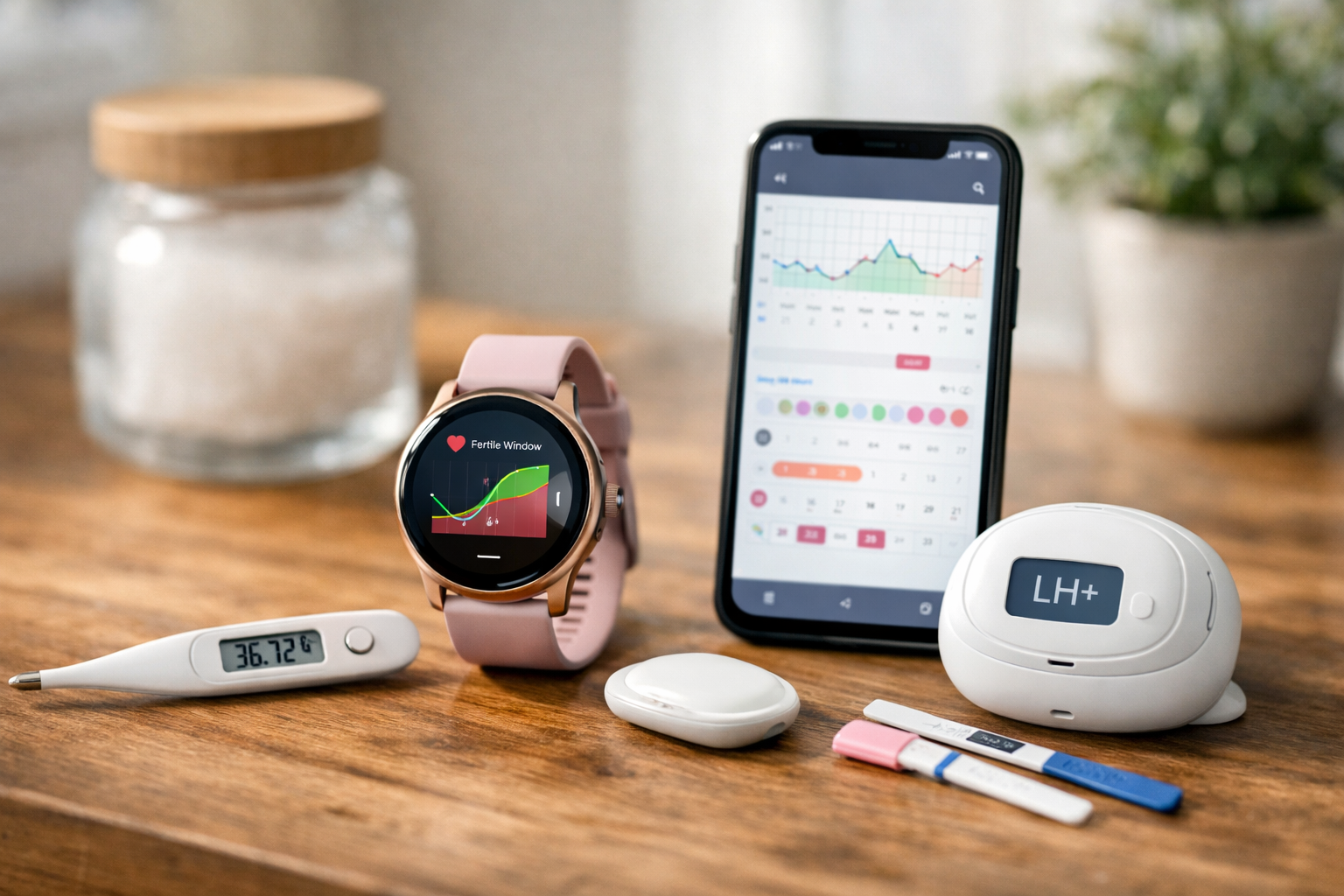
Choosing among the best fertility monitor alternatives to Trackle comes down to one question: do you want hormone-free cycle awareness, direct hormone measurements, simple ovulation testing, or passive wearable data? Trackle is a compelling baseline for people interested in natural family planning (NFP) and hormone-free contraception, while alternatives such as Tempdrop, Mira, Inito, Ava, Clearblue, and Oura suit different tracking styles.
Affiliate disclosure: TopTrustReview may earn a commission if you buy Trackle through links in this article, at no extra cost to you. That relationship does not affect the comparisons below. I have included Trackle where it fits, but competitors are recommended when their method is a better match for the buyer’s goal.
Official website · Latest pricing & offers
Quick Verdict: The Best Fertility Monitor Alternatives To Trackle
Here is the practical short list for shoppers comparing the best fertility monitor alternatives before they buy.
| Category | Pick | Tracking approach | Best for | Main trade-off |
|---|---|---|---|---|
| Best overall alternative | Tempdrop | Overnight temperature tracking | People who want a fertility-focused wearable | Requires regular overnight wear |
| Best for hormonal insight | Mira | Urine hormone testing | Detailed cycle and hormone-pattern tracking | Ongoing test-wand purchases |
| Best wearable alternative | Ava | Overnight wearable data | Passive, app-led cycle tracking | Not a direct hormone test |
| Best budget-friendly option | Clearblue Advanced Digital Ovulation Test | Urine ovulation testing | Straightforward fertile-window testing | Less cycle context than a monitor |
| Best for irregular cycles | Inito | Urine hormone testing | People wanting several hormone signals in one workflow | Requires consistent testing and strips |
Best Overall Alternative
Tempdrop is the strongest all-around option for shoppers who want a wearable fertility monitor without taking a urine test every morning. It focuses on overnight temperature data, making it especially appealing if manual basal body temperature tracking feels too easy to forget.
Among the best fertility monitor alternatives, it is a sensible choice for users who value a dedicated fertility-tracking workflow and prefer sleeping with a sensor to testing with strips.
Best For Hormonal Insight
Mira is the best fit for buyers who want urine hormone measurements rather than temperature trends alone. Its app-and-wand system is designed around tracking hormone values across the cycle, which can be useful for people who want more detail while trying to conceive.
Mira is not the simplest option, but it can provide a more data-heavy experience than a typical ovulation predictor kit.
Best Wearable Alternative
Ava is a wearable fertility-monitoring option for people who like passive, overnight data collection. It is often considered by buyers who want an app-based experience and do not want to schedule urine testing.
For a wearable fertility monitor, its attraction is convenience. The trade-off is that wearable trends and urine hormone readings are different types of information, so they should not be treated as interchangeable.
Best Budget-Friendly Option
Clearblue Advanced Digital Ovulation Test is usually the most approachable route for someone who wants digital guidance without committing to a full monitor ecosystem. It is a test-based option rather than a continuous wearable.
For many buyers, a Clearblue ovulation test makes sense when the main need is identifying likely fertile days rather than building a detailed cycle-data record.
Best For Irregular Cycles
Inito is worth a close look for people who want a hormone fertility monitor that can show more than one cycle signal in an app. That can be particularly appealing when cycles vary and a calendar prediction alone feels unhelpful.
Still, no fertility tracker for irregular cycles can diagnose why cycles are unpredictable. Use the information as a conversation starter with a clinician when needed, not as a replacement for assessment.
How We Chose These Fertility Monitor Alternatives
A useful fertility monitor comparison should not simply rank products by popularity. The “best” choice changes depending on whether you are avoiding pregnancy, trying to conceive (TTC), learning your cycle, or deciding whether a wearable is worth the cost.
Selection Criteria
I compared each option from first principles: what it measures, how often it needs input, how the data are collected, how easy the workflow is, and which buyer is most likely to benefit. This approach makes it easier to compare Trackle alternatives fairly, even though they belong to different product categories.
The key criteria were:
- Tracking method: temperature, urine hormones, cycle symptoms, or a mix of signals
- Daily workload: passive wear, morning testing, or manual observation
- Data depth: broad cycle trends versus direct hormone-test results
- Goal fit: conception timing, cycle awareness, or NFP-focused tracking
- Practical cost: device commitment plus any recurring test-strip or wand needs
- Interpretation burden: whether a user wants simple results or more detailed data
What Counts As A Fertility Monitor Vs An Ovulation Test
A fertility monitor is a broad term. Some products collect ongoing physiological data, while others analyze urine hormones or guide users through recurring test results.
A wearable fertility monitor generally collects body data, such as overnight temperature trends or other physiological signals. A hormone fertility monitor uses urine tests to identify hormonal changes associated with the menstrual cycle. An ovulation predictor kit (OPK) is typically a simpler urine test designed to detect a hormonal change associated with approaching ovulation.
That distinction matters. The best fertility monitor alternatives for passive tracking are not automatically the best choices for buyers who want hormone results in an app.
Accuracy, Convenience, And Cycle-Fit Factors
No single device is universally “most accurate” because the products do not measure the same thing. A urine-based test may be useful for observing hormone patterns, while a temperature wearable can help reveal retrospective temperature shifts across a cycle.
Convenience matters just as much. A system only delivers useful information when it is used consistently, so choose a method that fits your mornings, sleep schedule, budget, and comfort level.
Who This Guide Is For
This guide is for adults comparing the best fertility trackers before purchase, including those seeking cycle awareness, conception support, or a best fertility tracker to avoid pregnancy within an informed NFP approach. It is not a substitute for individualized medical guidance.
If you have very irregular cycles, suspected PCOS, persistent pelvic symptoms, or concerns about infertility, a product alone may not provide enough answers. Clinical care can include history-taking, bloodwork, imaging, semen analysis where relevant, and tailored advice that an app cannot provide.
Trackle: What It Is And Who It Suits Best
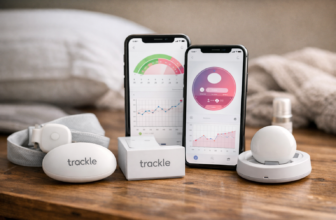
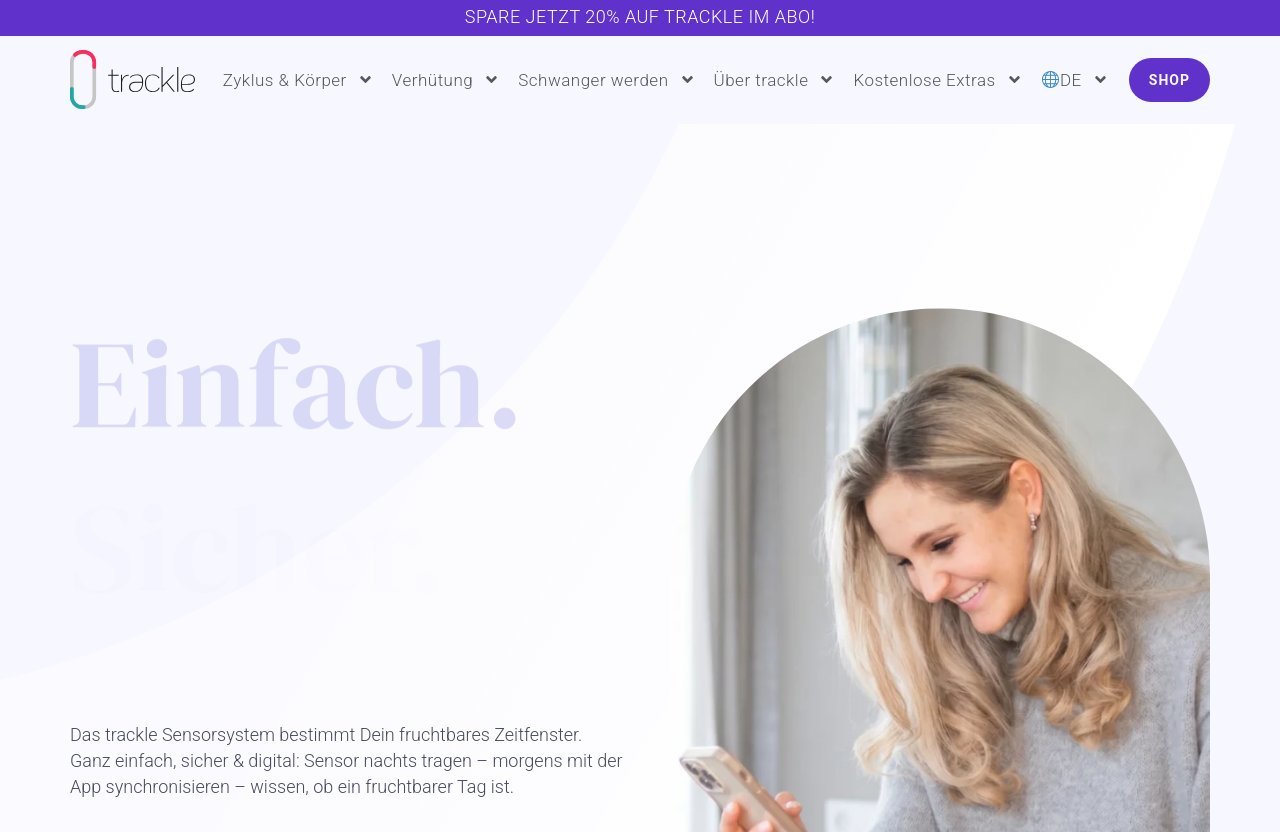
Trackle is the reference point for this roundup because it is positioned differently from many app-first competitors. Its official messaging centers on hormone-free contraception and natural family planning.
What Trackle Is Designed To Do
Trackle’s official homepage describes the brand as “trackle: Hormonfrei & sicher verhüten mit NFP,” meaning hormone-free and safe contraception with NFP. The site also provides educational material related to the menstrual cycle, ovulation, cervical mucus, fertility calculation, and symptothermal method topics.
That makes Trackle distinct from many best fertility monitor alternatives that focus primarily on conception timing or hormone-test charting. Its emphasis is on understanding fertility through an NFP-oriented framework rather than simply predicting a fertile window from an app calendar.
Strengths For Hormone-Free Contraception Tracking
The main appeal is the hormone-free positioning and educational focus on cycle literacy. For a buyer who wants to understand NFP concepts, cervical mucus observations, and symptothermal principles, Trackle may feel more aligned with their goal than a generic wellness wearable.
If that approach matches your priorities, you can learn more about Trackle here. Current as of November 6, 2026, the official offer lists 10% off with code NHANPHAM; confirm the code and final terms at checkout.
Limitations To Keep In Mind
Trackle will not be the right fit for every buyer. People who specifically want urine hormone readings may prefer Mira or Inito, while shoppers looking for an uncomplicated digital test may prefer Clearblue.
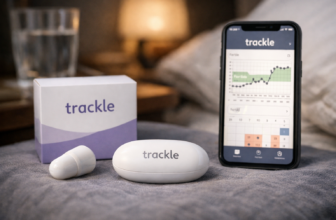
Trackle’s official pricing URL currently returns a page-not-found result, so it is sensible to confirm current pricing and purchase terms directly before buying. The official site also references trackleCatch, described as a sensor system with a retrieval cord, but shoppers should review the official product details carefully to determine whether it suits their needs.
When A Competing Device May Be Better
A competing device may be better when your priority is direct urine hormone information, passive overnight data without an NFP-centered process, or a straightforward ovulation predictor kit. The best fertility monitor alternatives are not “better” in every respect; they simply solve different problems.
For example, an individual trying to time intercourse may want test-based hormonal context. Someone who dislikes testing may be happier with Tempdrop or Ava. Someone using fertility awareness for contraception should prioritize education, consistency, and professional guidance where appropriate.
Official website · Latest pricing & offers
Best Fertility Monitor Alternatives To Trackle, Reviewed
Tempdrop
Tempdrop is a temperature-focused wearable designed to collect overnight temperature information. It is one of the most relevant Trackle alternatives for users who want a fertility-specific wearable and do not want to remember a traditional basal body temperature reading immediately after waking.
Best for: People who want overnight, wearable-based temperature tracking.
Strengths: Its passive sleep-time approach can reduce the friction of manual temperature tracking. It is also a focused option for buyers who want fertility-oriented data rather than a general-purpose smart ring.
Drawbacks: You need to wear it consistently overnight, and temperature patterns do not offer the same type of direct hormonal data as urine testing. Sleep disruption, illness, alcohol use, and changing schedules can also complicate interpretation.
In the Ava vs Tempdrop debate, Tempdrop is generally the more focused choice for someone who primarily wants a temperature-based fertility workflow.
Mira
Mira is a urine-testing system that works with test wands and an app to help users track hormone values over the cycle. It is one of the best fertility monitor alternatives for people who prefer measurable hormone data to wearable trends.
Best for: TTC users who want detailed hormone information and are comfortable with regular urine testing.
Strengths: The hormone-focused workflow can provide more context than a standard OPK. It may be helpful for people who want to observe changing hormone values rather than only receive a single test result.
Drawbacks: It requires an active testing routine and ongoing consumable purchases. More data can also create more uncertainty if you are unsure how to interpret changing patterns.
Mira is a strong Mira alternative to basic digital tests, but it is not automatically necessary for every person trying to conceive.
Inito
Inito is an app-connected urine testing system that tracks multiple hormone signals using compatible test strips. It is a particularly relevant Inito alternative comparison point for shoppers deciding between detailed hormone tracking and a simpler OPK routine.
Best for: Users who want a hormone-based system and a structured app experience.
Strengths: It offers a more data-rich process than one-signal ovulation testing. This can appeal to shoppers looking for a fertility monitor for PCOS or irregular cycles, provided they understand that consumer monitoring does not diagnose PCOS.
Drawbacks: Regular testing takes commitment, and results still require context. If cycles are highly unpredictable or conception has not occurred as expected, medical support remains more informative than adding more home tests.
Ava
Ava is a wearable bracelet that collects overnight physiological data and presents cycle-related insights through its app. It is a convenient option for people who want to wear a device rather than use urine tests.
Best for: Buyers who value a low-effort, overnight wearable experience.
Strengths: Ava’s format can feel more natural for users already comfortable sleeping with a wearable. It removes the need for morning test-strip routines.
Drawbacks: It is not a urine hormone monitor. For buyers who specifically want to see hormone measurements, Mira or Inito will usually be a closer category match.
The Ava vs Tempdrop choice is mostly about the experience you want: a broader wearable ecosystem versus a fertility-focused temperature-tracking device.
Clearblue Advanced Digital Ovulation Test
Clearblue Advanced Digital Ovulation Test is a digital ovulation predictor kit that uses urine testing to identify fertile days. It is a simpler purchase decision than many connected fertility-monitor systems.
Best for: People who want a recognizable, test-led workflow without wearing a device.
Strengths: The digital format may be easier to read than interpreting traditional line tests. It is also useful for buyers who only need ovulation-focused guidance rather than continuous temperature or wellness data.
Drawbacks: It does not offer the same breadth of cycle information as a multi-hormone monitor. Consumable tests are also a recurring consideration.
Oura Ring As A Fertility-Adjacent Alternative
Oura Ring is a smart ring that tracks overnight body signals, including temperature trends, and offers cycle-related features through its app. It is fertility-adjacent rather than a dedicated fertility monitor.
Best for: People who also want general sleep and wellness tracking from a ring.
Strengths: Its ring format is discreet, and it may appeal to users who want one wearable for several wellness goals. It can be a practical option if fertility awareness is only one part of the desired tracking experience.
Drawbacks: It is not a replacement for a dedicated hormone-testing system or clinical evaluation. Buyers who want a best ovulation tracker specifically may find a fertility-first device or urine test more direct.
Comparison By Use Case: Best Fertility Monitor Alternatives
Best For Daily Passive Tracking
Choose Tempdrop if you want fertility-focused overnight temperature tracking with minimal morning effort. Choose Ava or Oura Ring if you also value broader wearable wellness data.
Passive does not mean effortless interpretation. You still need to review patterns consistently and understand that wearables track indirect signs, not every aspect of reproductive health.
Best For Hormone Measurements
Choose Mira or Inito if direct urine hormone testing is your priority. These are better suited than temperature-only wearables for buyers who want test-based cycle data.
Between them, the better choice depends on your preferred app workflow, test availability, and which hormone information you want to track. Review the brand’s current official compatibility and consumable requirements before purchasing.
Best For Digital Simplicity
Choose Clearblue Advanced Digital Ovulation Test if you want a more straightforward digital testing routine. It is often easier to start with than a full monitor that asks for daily wearable use or multiple types of data.
This is the practical choice for someone who wants an ovulation predictor kit, not a long-term cycle analytics platform.
Best For Budget Shoppers
A basic digital ovulation test is often the most budget-conscious entry point because it does not require buying a specialized wearable device. However, compare the cost over several cycles, since test refills can add up.
The best fertility monitor alternatives for value are not always those with the lowest upfront price. Consider the ongoing cost of strips, wands, app memberships where applicable, and whether you will realistically use the system.
Best For TTC With Irregular Cycles Or PCOS
For TTC with irregular cycles, Inito or Mira may offer more useful at-home context than a calendar-only app because they are based on urine hormone testing. But they cannot determine the cause of irregular cycles, confirm ovulation in every circumstance, or diagnose PCOS.
If you are looking for a fertility monitor for PCOS, use home data carefully and discuss concerning patterns with a clinician. Medical guidance is especially important with very long cycles, missed periods, unusual bleeding, or symptoms that are new or severe.
Trackle Vs Top Alternatives: Which Best Fertility Monitor Alternatives Should You Choose?
The right purchase depends more on your goal than on any single ranking. Use this quick recommendation matrix to narrow the field.
| If your priority is… | Consider | Why |
|---|---|---|
| Hormone-free NFP-centered tracking | Trackle | NFP and cycle-education positioning |
| Overnight temperature tracking | Tempdrop | Dedicated wearable temperature workflow |
| Detailed urine hormone testing | Mira or Inito | Test-based hormonal cycle insight |
| Straightforward ovulation testing | Clearblue | Digital OPK approach |
| General wellness plus cycle awareness | Oura Ring or Ava | Wearable experience beyond fertility alone |
Choose Trackle If…
Choose Trackle if your central priority is hormone-free contraception within an NFP-oriented approach and you want educational context around cycle observations, cervical mucus, and symptothermal topics. It is the better fit when learning your body’s signs matters as much as using a device.
For the current official 10% offer, code NHANPHAM is listed as of November 6, 2026. You can review the offer terms through the official discount page and verify them before checkout.
Choose Tempdrop If…
Choose Tempdrop if you want a dedicated wearable that centers on overnight temperature data. It can be a better choice than a urine-testing system when you want to avoid scheduling tests and prefer a sleep-based routine.
It is not necessarily the best choice if direct hormone values are your main goal.
Choose Mira Or Inito If…
Choose Mira or Inito if you want a hormone fertility monitor and are willing to test urine consistently. Both fit shoppers who want more than an app prediction, especially while trying to conceive.
Choose based on current official compatibility, test costs, and the app experience you find easiest to follow. Do not choose solely because a product promises more data; useful data is data you can use without unnecessary stress.
Choose Clearblue If…
Choose Clearblue if you want a familiar, relatively simple digital ovulation test. It is a logical option for buyers who want to identify potentially fertile days but do not need a wearable or multi-hormone dashboard.
It may also be the best starting point if you are unsure whether a more advanced system is worth the recurring commitment.
Choose A Wearable Ring If…
Choose a wearable ring such as Oura if you want fertility-adjacent insights alongside sleep and general wellness tracking. This category can be appealing for users who would wear a ring anyway.
For fertility-specific goals, remember that a ring is only one part of the picture. It does not replace clinical testing, and it may not be as directly relevant as a dedicated fertility device or hormone test.
Important Limitations Of At-Home Fertility Monitoring
No Monitor Replaces Medical Care
The best fertility monitor alternatives can improve cycle awareness, but none can diagnose infertility, PCOS, endometriosis, thyroid conditions, pregnancy complications, or other health concerns. They also cannot fully evaluate male-factor fertility or structural reproductive issues.
At-home data can be useful to bring to an appointment, but it should not delay care when you have concerns.
Cycle Variability And Data Interpretation
Menstrual cycles can vary for many reasons, including stress, illness, travel, sleep disruption, postpartum changes, perimenopause, medication changes, and normal biological variation. A device reading or app prediction should always be interpreted in context.
Temperature changes, hormone-test results, and wearable trends do not mean the same thing. Avoid comparing one metric with another as if they provide identical confirmation.
When To Talk To A Clinician
Consider speaking with a clinician if cycles are persistently irregular, periods stop unexpectedly, bleeding is unusually heavy or painful, or you have been trying to conceive without success. The appropriate timing depends on age, cycle history, and personal medical circumstances.
It is also reasonable to seek help earlier if you have known reproductive-health conditions, previous pelvic surgery, recurrent pregnancy loss, or concerns about ovulation.
Red Flags And When Monitoring Is Not Enough
Seek prompt medical advice for severe pelvic pain, heavy bleeding, fainting, fever with pelvic symptoms, or a positive pregnancy test accompanied by pain or bleeding. A fertility device cannot assess urgent symptoms.
For contraception, do not assume that a general wellness wearable or calendar app provides the same protection strategy as a method taught and followed with appropriate guidance. The best fertility monitor alternatives still require informed, consistent use.
Official website · Latest pricing & offers
FAQ
Are Fertility Monitors Worth It?
Fertility monitors can be worth it when you want more cycle awareness, easier timing, or hormone-based insight than a calendar app can provide. Their value depends on whether you will use them consistently and whether the tracking method suits your goal.
A budget-friendly OPK may be enough for simple ovulation timing. A wearable or hormone monitor may be more worthwhile if you want longer-term patterns or a more structured workflow.
Which Fertility Tracker Is Most Accurate?
There is no single fertility tracker that is most accurate for every purpose because temperature wearables, urine hormone tests, and digital ovulation tests measure different signals. The most suitable option is the one that matches your goal, cycle pattern, and ability to follow the method consistently.
For example, hormone testing may be preferable for someone seeking test-based cycle information, while a wearable may be more practical for someone who wants passive overnight data. Neither replaces clinical evaluation when there are medical concerns.
Is Mira Or Kegg Better?
Mira and Kegg suit different tracking preferences. Mira is positioned around urine hormone analysis, while Kegg is commonly discussed in relation to cervical mucus and vaginal-environment tracking.
Mira may suit someone who wants test-based hormone data in an app. Kegg may appeal to someone who prefers a different, non-urine-testing workflow. Compare their current official instructions, recurring costs, and comfort requirements before deciding.
What Are Good Alternatives To The Oura Ring For Fertility Monitoring?
Good alternatives to the Oura Ring include Tempdrop and Ava for wearable-oriented tracking, plus Mira, Inito, and Clearblue for test-based tracking. The best choice depends on whether you want passive wear, hormone information, or simple ovulation testing.
If your main goal is fertility awareness rather than broad wellness tracking, a dedicated option may offer a more focused experience. Start by choosing the tracking method you can realistically maintain every cycle.
Related Reading
- Best Morelogin Alternatives in 2026
- Trustworthy Pricing 2026: Plans and Value
- Does Rezi Actually Work? An Evidence-Led Review
References
- Best Fertility Trackers of 2026, Tested and Reviewed by a Mom Who Tried 10
- Best Ovulation Predictor Kits: Expert Picks for 2026
- Which Wearable Ovulation Test is Best? Ava vs. Femometer vs. Tempdrop
- Looking for a Mira Alternative? Here’s How Oova Compares