
Best Post Planner Alternatives for Facebook in 2026
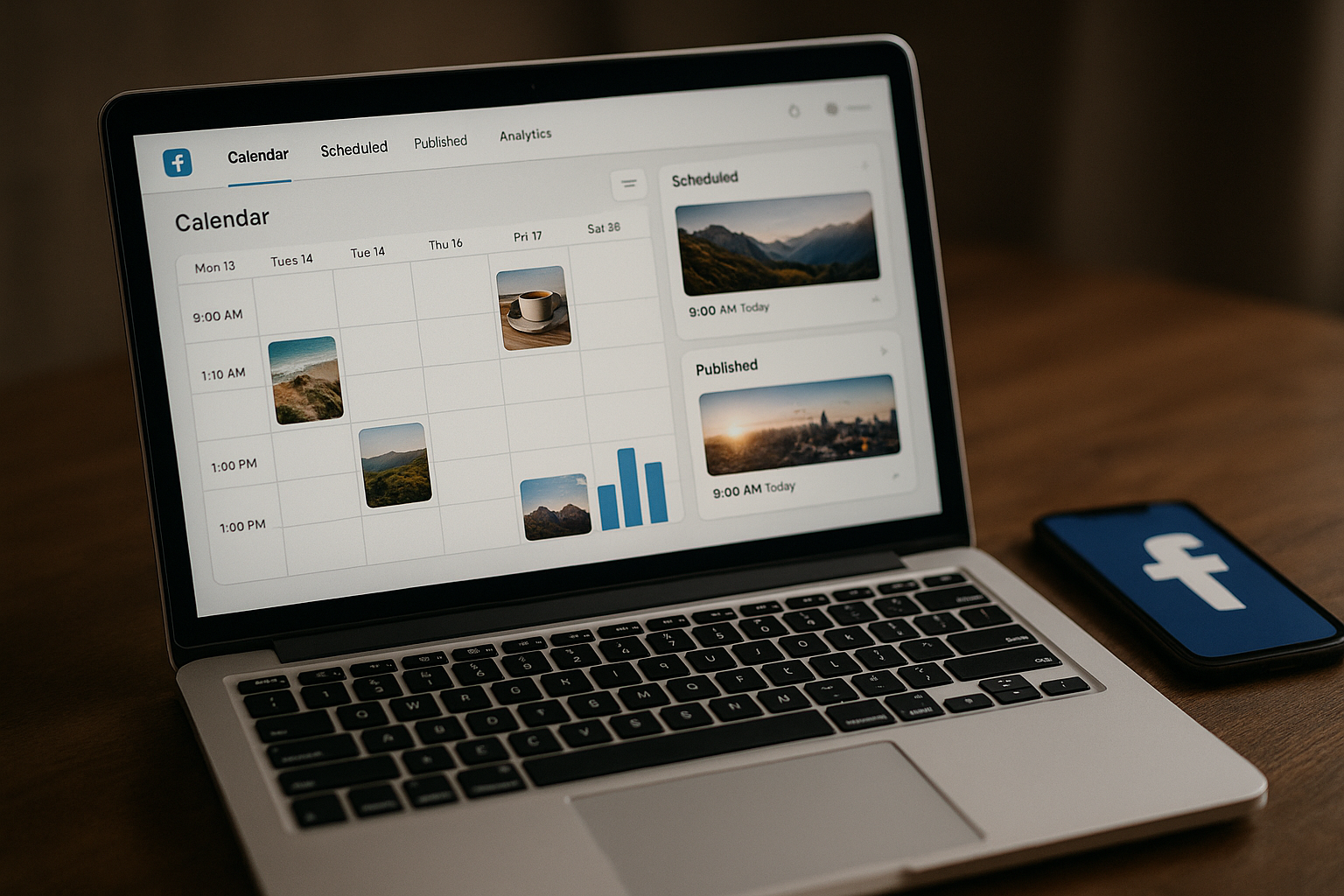
If you are comparing the best Post Planner alternatives, you probably want more than a basic queue. You want a Facebook scheduler that helps you find content ideas, publish consistently, and improve engagement without spending your day inside a posting calendar.
This guide is written for Facebook-heavy creators, small businesses, marketers, and social media managers who like Post Planner’s engagement-first approach but want to compare it against other tools before buying. This article may include affiliate links, and toptrustreview.com may earn a commission at no extra cost to you.
Official website · Latest pricing & offers
Best Post Planner Alternatives for Facebook: Quick Verdict
Who this guide is for
This guide is for people who manage Facebook Pages, publish Reels or Stories, and need a practical Facebook content scheduler rather than a generic social inbox. If your main goal is to keep a Page active, find better post ideas, and build an engagement-focused workflow, the best Post Planner alternatives are the tools that match how you actually publish.
It is also for teams comparing Post Planner alternatives for Facebook because they need approvals, shared calendars, stronger analytics, or broader cross-network publishing. Some tools in this guide are better for collaboration, while others are better for simple scheduling or reporting.
The best alternative by use case
Here is the quick buyer’s version before the deeper reviews:
| Use case | Best-fit tool to compare | Why it may fit |
|---|---|---|
| Content discovery and engagement ideas | Post Planner | Built around discovering high-quality content and viral post ideas |
| Simple publishing queue | Buffer | Often considered by users who want a clean social media scheduling app |
| Team review and approvals | Planable | Known for collaborative planning and content approval workflows |
| Multi-network management | Hootsuite | Commonly evaluated by teams managing many channels |
| Analytics-focused planning | Metricool or Agorapulse | Often considered when reporting and performance review matter |
| Visual-first planning | Later | Commonly used by creators who plan visual campaigns |
| Budget-conscious comparison | Vista Social or Buffer | Worth comparing when you want broad scheduling without a complex setup |
The best Post Planner alternatives are not the same for everyone. A solo Facebook creator may care most about content curation, while an agency may care more about approvals, reporting, and client visibility.
How we judged the tools
I judged these tools by Facebook workflow first: Pages, post planning, Reels, Stories, content discovery, calendar usability, engagement tracking, collaboration, and practical value. Cross-network scheduling matters, but it should not distract from the core question: does the tool make Facebook publishing easier?
For Post Planner itself, I only use verified information from the official homepage and pricing page. For competitor tools, I keep descriptions high-level and based on widely known positioning, because no official competitor pricing or feature pages were provided for this article.
What Post Planner Does Well for Facebook Users
Content discovery and viral ideas
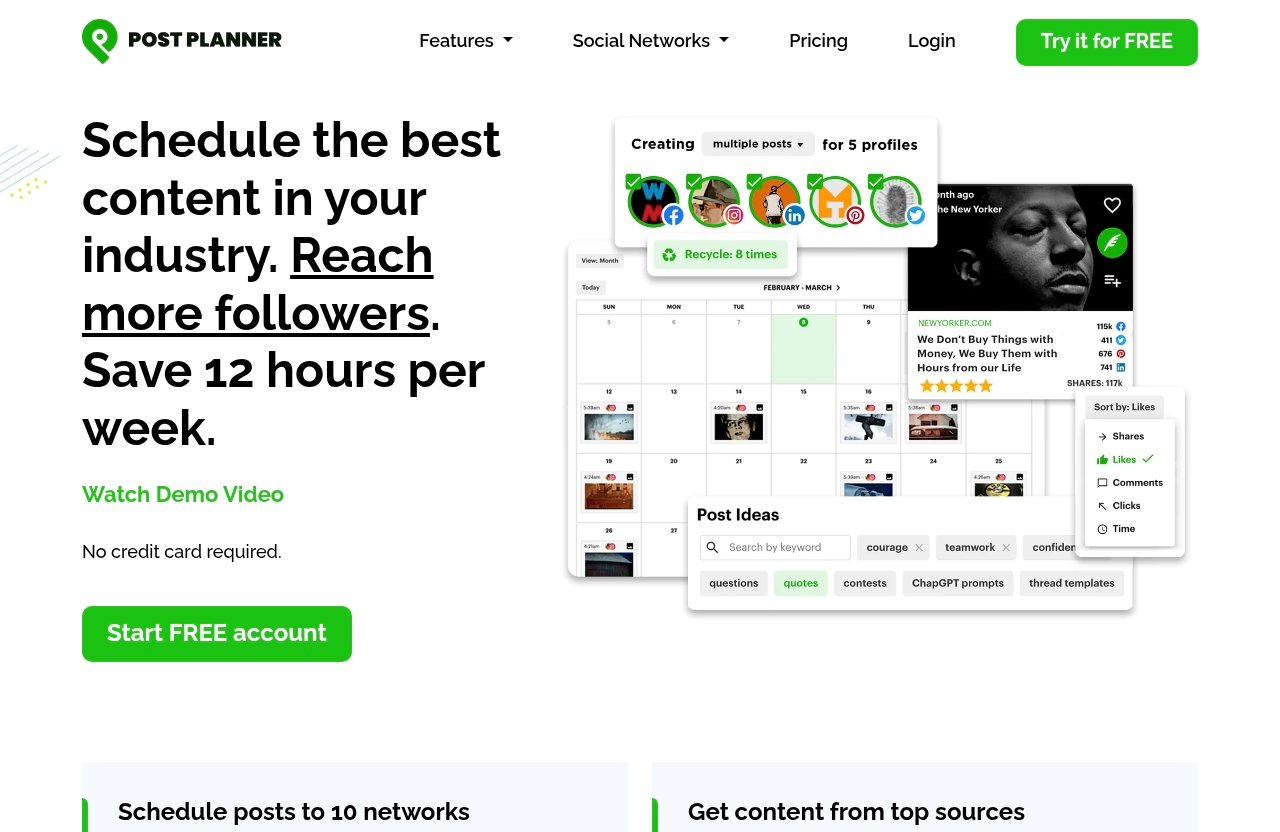
Post Planner is officially positioned as a social media scheduler built for engagement. Its homepage feature set includes Discover, which helps users find high-quality content and viral post ideas.
That matters because many Facebook Page managers do not struggle only with scheduling. They struggle with knowing what to post next. For that reason, the best Post Planner alternatives need to be judged partly by whether they help with social media content curation, not just publishing.
Post Planner also includes Categorize, which lets users classify posts into topic-based buckets. In a practical Facebook workflow, that can help you balance educational posts, promotional posts, curated content, community questions, Reels, and Stories instead of posting randomly.
Facebook scheduling coverage
According to the official Post Planner homepage, Post Planner supports Facebook scheduling for posts, Reels, and Stories to your Pages. That is important because a Facebook scheduler that only handles standard feed posts may not be enough for a modern Page workflow.
Post Planner’s verified feature set also includes Connect, which lets users manage all their social accounts in one place, and Schedule, which automates the social publishing schedule. It also supports other networks, including Instagram, Google Business profiles, LinkedIn, Pinterest, TikTok, Twitter/X, YouTube, Threads, and Bluesky.
If you are reviewing the best Post Planner alternatives, make sure you compare actual Facebook publishing needs. A tool can look powerful on paper but still feel awkward if your weekly workflow depends on Facebook Pages, Reels, Stories, previews, and recurring content categories.
Engagement-focused workflow
Post Planner’s official homepage includes Create, which lets users compose, optimize, and preview posts. It also includes Analyze, which helps evaluate post performance and engagement, and Mobile, which allows users to create and manage posts from a phone.
That combination is why Post Planner remains relevant for Facebook-heavy users. It is not just a posting calendar; it is an engagement-focused social media scheduler with discovery, content organization, publishing, and performance review in one workflow.
If that sounds like your use case, you can review Post Planner directly here: try Post Planner through toptrustreview.com. Before committing, compare the workflow, not just the feature list.
What to Look for in a Post Planner Alternative
Facebook publishing support
The first thing to check is whether the tool supports the Facebook formats you actually use. For many small businesses, that means Page posts, Reels, Stories, link posts, image posts, and sometimes cross-posting ideas from Instagram or LinkedIn.
The best Post Planner alternatives should make publishing feel reliable and repeatable. If you constantly need manual workarounds, the tool may not be the right Facebook content scheduler for your business.
Also check previews and scheduling flow. A good Facebook scheduler should help you see how a post will appear before it goes live, especially when you are planning campaigns, launches, promotions, or seasonal content.
Content curation and idea discovery
Post Planner’s verified Discover feature is one of its clearest strengths. Not every alternative needs to copy that exactly, but if you are leaving Post Planner, you should know how you will replace your content idea workflow.
Some of the best social media scheduling tools focus more on calendars, approvals, or analytics than idea discovery. That can be fine if you already have a strong content strategy, but it may be a problem if curated posts and viral inspiration are part of your Facebook growth process.
Ask a practical question: when your Page needs five posts next week, where will the ideas come from? The best Post Planner alternatives should either provide discovery tools or integrate smoothly with your own content research process.
Analytics and engagement tracking
A useful scheduler should help you understand what happened after publishing. For Facebook, that may include reviewing engagement patterns, comparing post types, and deciding whether Reels, Stories, curated links, or original posts are working best.
Post Planner’s official feature set includes Analyze for evaluating post performance and engagement. When comparing Hootsuite alternatives, Buffer alternatives, or other schedulers, look at how easily you can turn results into better planning decisions.
The goal is not to drown in dashboards. The goal is to learn which Facebook content creates comments, shares, clicks, saves, and repeat audience interaction.
Team workflows and approvals
If you work alone, you may not need complex collaboration. If you work with clients, managers, designers, or franchise locations, approvals can become the most important feature.
This is where tools like Planable often enter the conversation. In a Planable vs Post Planner comparison, the question is usually whether you value collaborative review more than content discovery and engagement-focused planning.
The best Post Planner alternatives for teams should make it easy to draft, review, comment, approve, and schedule posts without messy spreadsheets or long email threads.
Budget and scalability
Budget is not just the monthly subscription cost. It is also the time saved, the number of users involved, the accounts managed, and how much manual work the tool removes.
For Post Planner pricing, the official homepage and pricing page state a free trial or try-it-for-free message with no credit card required, but the provided official text does not expose exact plan names or prices. Readers should verify current pricing on the official pricing page before making a purchase.
When comparing the best Post Planner alternatives, avoid choosing only by price. A cheaper tool that lacks content discovery or approvals may cost more in staff time.
Official website · Latest pricing & offers
Best Post Planner Alternatives for Facebook
Planable
Planable is commonly evaluated by teams that need collaborative planning, client review, and approval workflows. For Facebook-heavy teams, its appeal is usually the planning experience: drafts, feedback, and visual review before posts go live.
Where it may beat Post Planner is collaboration. If your bottleneck is getting posts approved by a client, manager, or brand team, Planable may feel more purpose-built for that process.
Where it may trail Post Planner is content discovery. Based on the verified Post Planner homepage, Post Planner specifically emphasizes discovering high-quality content and viral post ideas, which is central for engagement-focused Facebook posting.
Choose Planable if your Facebook calendar gets stuck in approvals. In a Planable vs Post Planner decision, pick Post Planner when idea discovery and engagement planning matter more, and Planable when team review is the biggest pain.
Buffer
Buffer is often considered by creators and small businesses that want simple scheduling without a heavy learning curve. It is one of the most commonly discussed Buffer alternatives and alternatives to Buffer because of its clean positioning around social publishing.
For Facebook users, Buffer can make sense if you already know what you want to post and mainly need a straightforward queue. It is usually a good comparison point for anyone who wants a lightweight social media scheduling app.
Where Buffer may beat Post Planner is simplicity. Where it may trail is content discovery, because Post Planner’s verified Discover feature is designed around finding content ideas and viral inspiration.
Choose Buffer if your priority is simple scheduling across social channels. Choose Post Planner if your Facebook workflow depends on curated ideas, topic buckets, and engagement-driven planning.
Hootsuite
Hootsuite is widely known as a multi-network social media management platform, especially among teams and organizations that manage many profiles. It is often considered when buyers compare Hootsuite alternatives or need broader social operations.
For Facebook-heavy users, Hootsuite may appeal if you manage multiple channels, need a more established enterprise-style workflow, or want broader social media management rather than just publishing. It can be a serious option for teams that have outgrown lightweight tools.
Where it may beat Post Planner is broad management depth for larger teams. Where it may trail for smaller Facebook-focused users is simplicity and content discovery.
The best Post Planner alternatives are use-case specific, and Hootsuite is a good example. It may be strong for multi-network operations, but not every creator or small business needs that level of platform.
Metricool
Metricool is often considered by marketers who want planning and analytics in the same workflow. It is especially relevant if your Facebook decision-making depends on performance reports and cross-channel visibility.
For Facebook Page managers, Metricool may be useful when the question is not just “what should I post?” but “what is working across my content mix?” That can help when comparing Reels, links, images, promotions, and community posts.
Where it may beat Post Planner is analytics-oriented evaluation. Where it may trail is Post Planner’s verified emphasis on Discover, Categorize, and engagement-focused content ideation.
Choose Metricool if reporting and performance comparison are your top priorities. Choose Post Planner if your main need is a Facebook content scheduler that helps fill the calendar with engaging ideas.
Agorapulse
Agorapulse is commonly evaluated by social media managers and agencies that need management, reporting, and engagement workflows. It can be relevant for Facebook-focused teams that handle comments, community response, and client reporting.
For Facebook Pages, Agorapulse may appeal when publishing is only one part of the job. If your team also needs to monitor audience interaction and report results to stakeholders, it belongs on your shortlist.
Where it may beat Post Planner is in broader social management workflows. Where it may trail is content discovery and the lighter engagement-focused scheduling experience that Post Planner promotes on its official homepage.
Agorapulse can be one of the best Post Planner alternatives for teams that need more than scheduling. But if you mainly want discovery, categorization, and automated posting, Post Planner may stay closer to your daily workflow.
Later
Later is widely known among creators and brands for visual social planning. It is often considered by users who care about campaign presentation, visual calendars, and content layout.
For Facebook-heavy users, Later may make sense if your Facebook content is closely tied to Instagram visuals, short-form video, or creator campaigns. It may be especially useful when visual consistency matters across platforms.
Where it may beat Post Planner is visual planning. Where it may trail is Facebook-first content discovery, especially if you depend on curated ideas to drive engagement.
Choose Later if your social strategy is visual-first and cross-platform. Choose Post Planner if your main priority is a Facebook scheduler built around engagement, curated ideas, and topic-based content planning.
Vista Social
Vista Social is often considered by teams looking for a modern, broad social media scheduling and management option. It may appeal to buyers who want cross-network publishing and a more flexible toolset.
For Facebook users, Vista Social can be worth comparing if you manage several channels and want one platform for scheduling and coordination. It may be a practical option for lean teams that want modern scheduling without building a large stack.
Where it may beat Post Planner is broader platform-style flexibility. Where it may trail is Post Planner’s verified Discover and Categorize workflow, which is especially useful for social media content curation.
Vista Social can be one of the best Post Planner alternatives if you want a broader social tool. If your biggest challenge is finding Facebook post ideas that can drive engagement, Post Planner remains a strong benchmark.
Which Alternative Is Best for Your Facebook Workflow?
Best for content discovery
For content discovery, Post Planner is still the tool to beat in this comparison. Its official homepage specifically verifies Discover for finding high-quality content and viral post ideas, plus Categorize for organizing posts into topic-based buckets.
If you are comparing the best Post Planner alternatives because your Page needs a steady stream of curated posts, questions, links, and engagement prompts, make sure the replacement has a real idea-generation process. Otherwise, you may save on scheduling but lose momentum in planning.
Best for simple scheduling
Buffer is often the cleanest comparison for simple scheduling. If you already have your Facebook content planned and just need a queue, it may be easier than using a more complex social media scheduling app.
That said, simple scheduling is not the same as engagement strategy. The best Post Planner alternatives for simplicity can work well, but they may not replace Post Planner’s content discovery workflow.
Best for teams and approvals
Planable is a strong comparison point for teams and approvals. If your Facebook posts need client comments, manager review, or internal sign-off, collaboration may matter more than discovery.
Agorapulse may also fit teams that need broader management and reporting workflows. The right choice depends on whether your team bottleneck is approval, engagement management, or performance reporting.
Best for analytics
Metricool and Agorapulse are common names to compare when analytics and reporting matter. They may suit marketers who need to explain Facebook performance to clients, founders, or department heads.
Post Planner’s official Analyze feature helps evaluate post performance and engagement. But if reporting depth is your top buying reason, compare dashboards carefully during a trial before choosing among the best Post Planner alternatives.
Best budget-friendly option
Budget-friendly depends on current plans, limits, users, and account needs, so always verify pricing on official pages. Some tools may offer free plans or trials, but those details change and should be checked directly before purchase.
For a free baseline, Facebook users often start with Meta Business Suite. However, a dedicated Facebook content scheduler may be worth paying for if it saves time, improves planning, or helps your Page post more consistently.
Post Planner vs the Top Alternatives: Final Recommendation
When Post Planner is still the better fit
Post Planner is still a strong fit when your Facebook workflow depends on engagement-focused scheduling, content discovery, and repeatable planning. Its verified feature set covers Connect, Discover, Design, Categorize, Create, Schedule, Analyze, and Mobile.
It also officially supports scheduling Facebook posts, Reels, and Stories to Pages. That makes it especially relevant for creators and small businesses that want a practical Facebook scheduler rather than a complicated social media command center.
If you want to evaluate it directly, you can start with Post Planner here and compare the workflow against the alternatives in this guide.
When to switch to an alternative
Switch if your main problem is not content discovery. For example, if approvals are slowing you down, Planable may be a better fit. If you need broader multi-network management, Hootsuite may deserve a closer look.
If analytics and reporting are your biggest concern, Metricool or Agorapulse may be stronger candidates. If simple queue-based publishing is enough, Buffer may be easier to adopt.
The best Post Planner alternatives are tools that solve a specific workflow gap. Do not switch just because another platform has a longer feature list.
Final pick by audience
For solo creators and small businesses focused on Facebook engagement, Post Planner remains one of the most practical options to compare first. It is especially compelling if you need content ideas, topic buckets, scheduling, and engagement analysis in one workflow.
For agencies and approval-heavy teams, Planable or Agorapulse may be better depending on the review process. For analytics-driven marketers, Metricool is worth comparing. For simple scheduling, Buffer may be enough.
The final recommendation is simple: choose Post Planner if content discovery and engagement planning are your priority; choose an alternative if collaboration, reporting, or broad multi-network management matters more. In 2026, the best Post Planner alternatives are not universally better—they are better for specific workflows.
How to Choose the Right Scheduler for Facebook in 2026
Match features to your content volume
Start by counting how much Facebook content you publish each week. A Page posting twice per week has different needs than a brand publishing daily posts, Reels, Stories, and promotional campaigns.
Use this checklist before buying:
| Question | Why it matters |
|---|---|
| How many Facebook Pages do you manage? | More Pages usually need stronger organization |
| Do you publish Reels and Stories? | Not every workflow handles every format equally well |
| Do you need curated content ideas? | Discovery may matter more than calendar design |
| Do posts require approval? | Teams need comments, roles, and review flows |
| Do you report results to clients? | Analytics and exports may become essential |
| Do you post from mobile? | Mobile access can matter for creators and local businesses |
The best Post Planner alternatives should match your actual volume. A powerful team platform may be unnecessary for one Page, while a simple queue may be too limited for an agency.
Check Facebook-specific publishing needs
Before choosing a social media scheduling app, list your Facebook-specific requirements. Include Page posts, Reels, Stories, link previews, image posts, evergreen content, and campaign scheduling.
Also consider engagement habits. If you post questions, curated links, viral ideas, and community prompts, Post Planner’s verified Discover and Categorize features may be valuable. If you mostly publish approved brand assets, a collaboration-first tool may be better.
This is where many buyers make the wrong choice. They compare the best social media scheduling tools broadly, but they do not test the exact Facebook workflow they will use every week.
Test workflow before committing
Use trials when available and build a real one-week Facebook calendar. Add a promotional post, a Reel, a Story, a curated post, a community question, and a campaign reminder.
Then ask:
- How fast can I find or create content ideas?
- Can I preview posts clearly?
- Can I organize content by topic or campaign?
- Can my team approve posts without confusion?
- Can I review engagement after publishing?
- Does mobile access matter for my workflow?
- Will this still work when my content volume doubles?
The best Post Planner alternatives should feel easier after testing, not harder. A scheduler is only worth paying for if it reduces friction and helps you publish better content more consistently.
Official website · Latest pricing & offers
FAQ
What do people use to schedule social media posts?
People commonly use tools such as Post Planner, Buffer, Hootsuite, Planable, Later, Metricool, Agorapulse, and Vista Social to schedule social media posts. The right choice depends on whether you need simple scheduling, social media content curation, approvals, analytics, or multi-network management.
For Facebook, look closely at support for Pages, Reels, Stories, previews, and engagement tracking. The best Post Planner alternatives for one business may be too simple or too complex for another.
What is the free tool to schedule posts?
Some social media schedulers offer free plans or free trials, but exact availability changes, so check each official pricing page before choosing. For Facebook specifically, Meta Business Suite is a common free baseline option for scheduling and managing Page content.
Post Planner’s official homepage and pricing page mention a free trial or try-it-for-free message with no credit card required, but the provided official text does not include exact plan names or prices. Always verify current pricing directly.
Is Hootsuite still the best?
Hootsuite can still be a strong option for larger teams and multi-network social media management. But it is not automatically the best choice for every Facebook-heavy creator, small business, or marketer.
If your priority is content discovery and engagement-focused planning, Post Planner may be a better fit. If your priority is broader team management across many networks, Hootsuite may be worth comparing against other Hootsuite alternatives.
What is the 5 3 2 rule on Instagram?
The 5-3-2 rule is a content mix guideline: for every 10 posts, share five pieces of curated content, three pieces of helpful or original content, and two more personal or human posts. It is often discussed for Instagram, but the principle can also help Facebook Pages avoid posting only promotions.
For Facebook, the idea is to balance value, curation, personality, and offers. That is also why the best Post Planner alternatives should be judged by how well they support a healthy content mix, not just how many posts they can schedule.
Related Reading
References
- Post Planner: Social Media Scheduler built for Engagement
- Plans & Pricing
- 9 best Post Planner alternatives for effective social media scheduling
- The Best Social Media Scheduling Tools in 2026 (+ How to Find …