Aiapply for Job Search: Best Use Cases in 2026
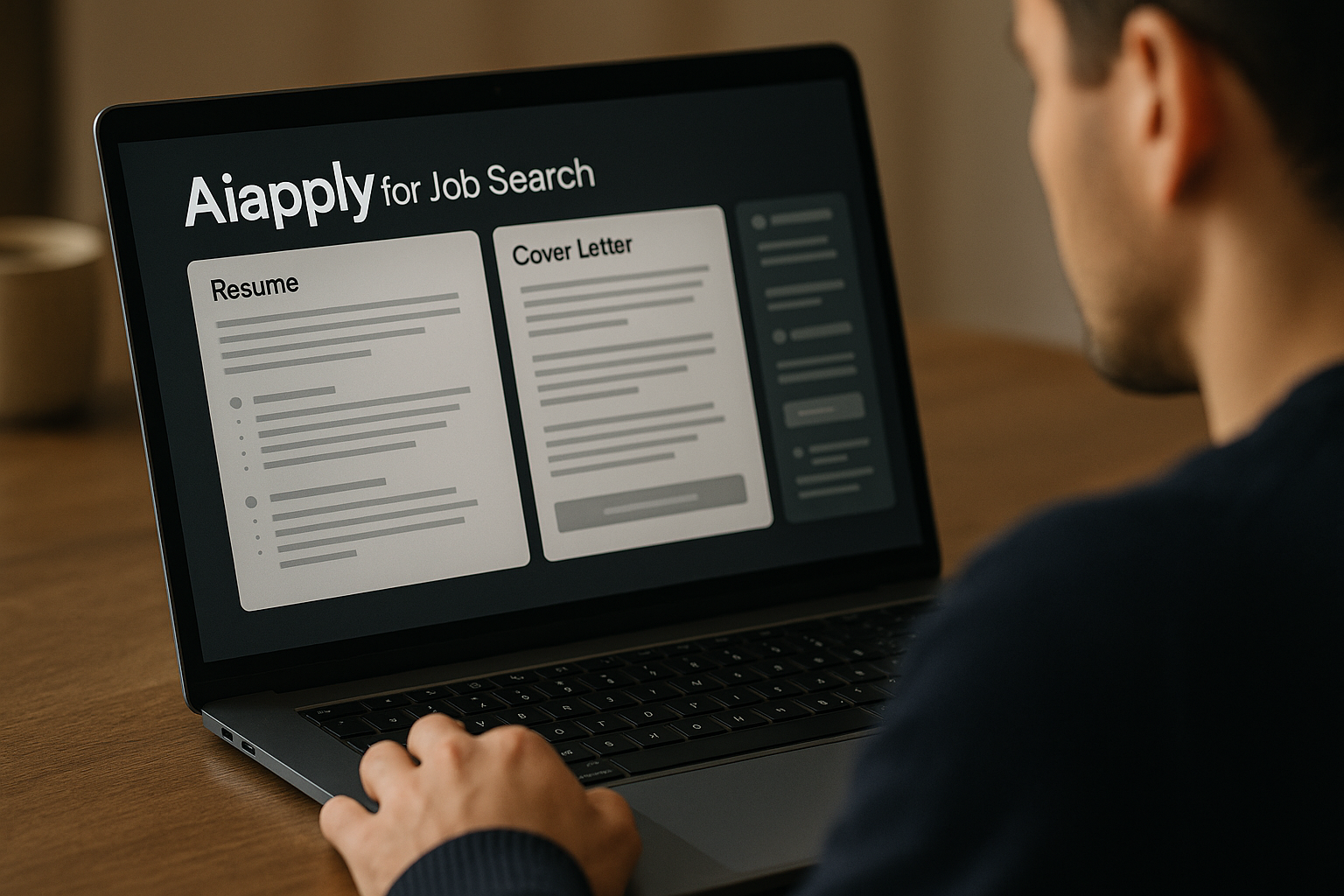
If you are applying to jobs in 2026, the hardest part is often not finding openings—it is keeping up with applications without burning out. Writing tailored resumes, adjusting cover letters, tracking roles, and repeating the same form fields can drain hours every week. That is where aiapply for job search becomes interesting for students, recent graduates, career changers, busy professionals, and high-volume applicants.
This AIApply review takes a practical look at who benefits most, how the tool works, what the verified AIApply pricing looks like, and when manual applications may still be the better choice. The goal is simple: help you decide whether AIApply fits your job search before you pay for it.
Official website · Latest pricing & offers
What AIApply Is and Why Job Seekers Use It
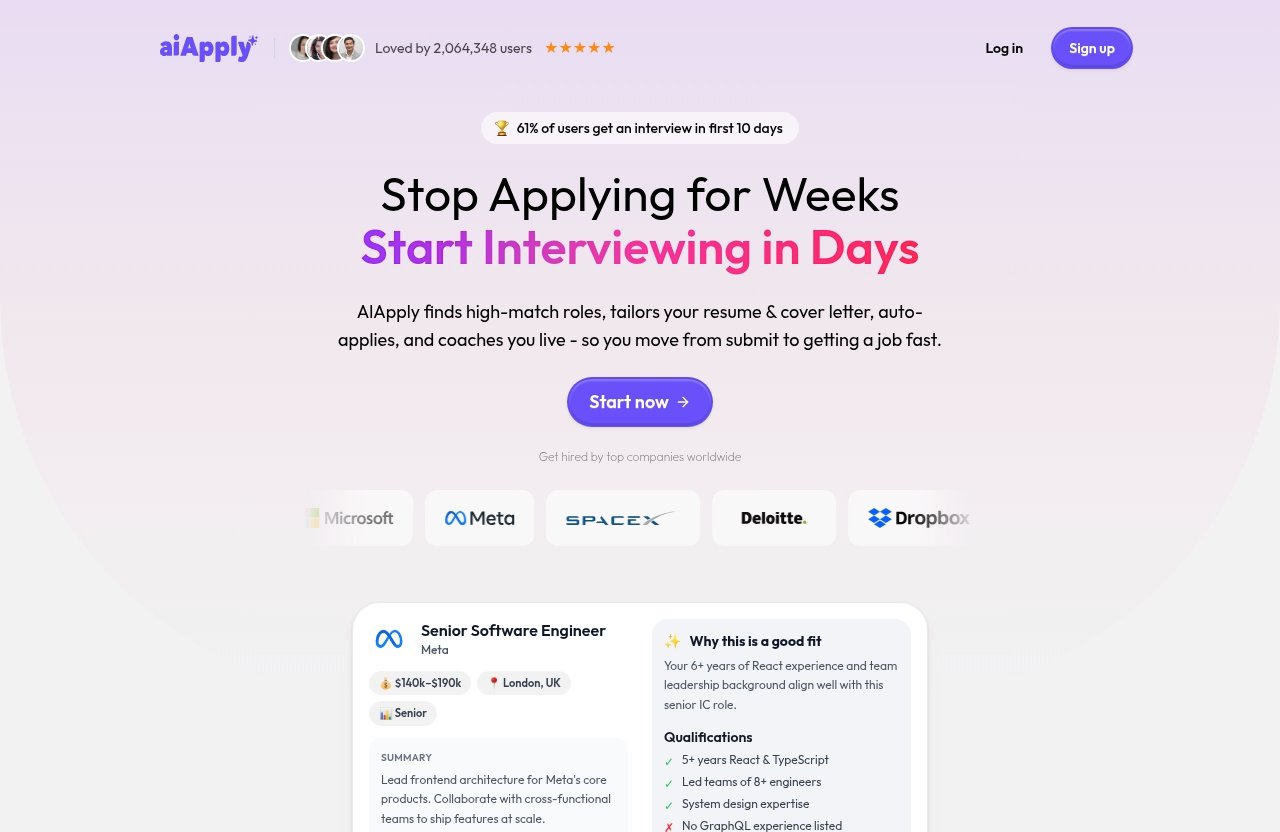
AIApply is positioned as a job application AI with auto apply. According to its official materials, it can help users find high-match roles, tailor resumes and cover letters, auto-apply to jobs, and coach users live.
For many people, aiapply for job search is not about replacing effort completely. It is about reducing repetitive work so they can spend more energy on interviews, networking, skill-building, and higher-quality applications.
AIApply at a glance
AIApply is built for job seekers who want help moving from “I need to apply” to “my application is ready and submitted” faster. The official homepage describes it as a platform that can match users with relevant jobs, tailor application materials, and support auto-applying.
Here is the practical version:
| Area | What AIApply Helps With |
|---|---|
| Job discovery | Finding roles that match your profile |
| Resume tailoring | Adjusting resumes for specific applications |
| Cover letters | Creating tailored cover letters |
| Application volume | Applying to many relevant roles faster |
| Workflow control | Manual, hybrid, or full automation options |
That makes aiapply for job search most relevant for people who are applying regularly, not just sending one or two applications per month.
Core workflows: manual, hybrid, and auto-apply
The official homepage and auto-apply page describe three workflow styles: manual, hybrid, and full automation.
Manual use gives you more control. You can use AIApply to help tailor materials, then review and submit applications yourself. This is useful if you are applying to selective roles or want to inspect every detail before sending.
Hybrid use is a middle ground. You let the platform speed up parts of the process while still reviewing important applications. For many job seekers, this is the most realistic way to use aiapply for job search because it balances speed with quality control.
Full automation is for users who want AIApply auto apply functionality to handle a larger volume of applications. The official auto-apply page says the tool matches users with relevant jobs and applies to hundreds of roles after a quick quiz and resume upload.
Why this matters for modern job searches
Modern hiring can feel like a numbers game, especially for entry-level roles, remote jobs, and competitive industries. Many applicants spend weeks applying and still feel behind.
The appeal of aiapply for job search is that it addresses several common problems at once: time savings, application consistency, personalization, and burnout reduction. Instead of rewriting every resume and cover letter from scratch, users can streamline the process.
That does not mean results are guaranteed. Your interview rate still depends on your experience, target roles, market conditions, resume quality, and how well your applications match the jobs. But for the right user, AI to apply for jobs automatically can remove a lot of repetitive friction.
Best Use Cases for AIApply for Job Search
The best way to evaluate AIApply is by use case. Some job seekers will get much more value from it than others.
If you apply to many roles, need tailored materials quickly, or feel overwhelmed by repetitive applications, aiapply for job search may be a strong fit. If you only apply to a few highly curated roles, you may prefer a more manual process.
Recent graduates and students
AIApply for students makes sense because many students are applying to internships, entry-level roles, graduate schemes, part-time jobs, and first full-time positions at the same time. That can mean dozens of applications during a short recruiting window.
Students often struggle with two things: limited experience and limited time. They may have coursework, exams, campus jobs, or internships while also trying to apply before deadlines close.
For this group, aiapply for job search can help by turning a basic resume into more tailored applications for different roles. For example, a business student applying to marketing assistant, sales trainee, and operations coordinator jobs may need slightly different positioning for each application.
AIApply for recent graduates is also useful when candidates are still learning how to present academic projects, internships, volunteer work, and transferable skills. A recent graduate may not have a long work history, so tailoring becomes especially important.
The key is not to blindly auto-submit everything. Students and graduates should review important applications, especially for dream employers or programs with specific essay questions.
Career changers moving into a new field
AIApply for career changers can be valuable because changing fields usually requires translation. A teacher moving into customer success, a retail manager moving into operations, or a military veteran entering project management must explain their experience in the language of the target role.
This is where aiapply for job search can support resume and cover letter tailoring. The tool can help users present relevant skills more clearly for different job descriptions.
Career changers should still be careful. If your background is unconventional, a human review matters. You may need to check whether the resume emphasizes the right transferable skills and avoids overstating direct experience.
For career changers, the strongest approach is often hybrid: use AIApply to speed up drafting and matching, then personally review applications where the role is strategically important.
High-volume applicants chasing speed
AIApply for high-volume applicants is one of the clearest use cases. If you are applying to dozens or hundreds of roles, manual applications can become exhausting.
The official auto-apply page says AIApply can match users with relevant jobs and apply to hundreds of roles after setup. That makes aiapply for job search especially relevant for people who need application speed.
High-volume applicants may include:
| Applicant Type | Why Volume Matters |
|---|---|
| Unemployed job seekers | Need to create opportunities quickly |
| Contract workers | Need a steady pipeline of roles |
| Sales and customer support applicants | Often face large applicant pools |
| Entry-level candidates | May need many applications to gain traction |
| Remote job seekers | Compete with national or global talent pools |
The advantage is simple: less repetitive work. However, volume should not mean careless applying. Sending many weak applications can waste time, so match quality still matters.
Remote job seekers applying across many listings
Remote roles attract applicants from multiple cities, states, and countries. That makes them competitive, especially in fields like customer support, marketing, operations, data, software, and virtual assistance.
For remote applicants, aiapply for job search can help manage scale. Instead of manually tailoring each resume for every remote listing, users can work from a more consistent application system.
This matters because remote job boards move quickly. A good role may receive many applications in a short window, so speed can help you stay active.
Still, remote applicants should pay close attention to location restrictions, time zones, work authorization, and required availability. Automation is helpful, but it does not replace reading the details when those details affect eligibility.
Professionals who need tailored applications fast
Busy professionals often have the opposite problem from students: they have experience, but very little time. A working parent, manager, consultant, healthcare worker, or tech professional may only have a few hours per week to apply.
For them, aiapply for job search can reduce the time spent rewriting application materials. It can also help keep applications consistent instead of rushing through them after work.
This use case is strongest when the professional is applying to roles that are similar but not identical. For example, a project manager may apply to operations manager, program manager, and implementation manager roles. Each version needs different emphasis.
Professionals should still manually handle senior, confidential, or relationship-driven opportunities. If a role requires a carefully crafted executive narrative, networking introduction, or portfolio explanation, manual input may produce a stronger result.
How AIApply Works in Real Use
The official workflow is designed to be relatively simple. AIApply asks users to complete setup steps, then uses that information to match and apply to roles.
In practical terms, aiapply for job search works best when the starting profile is accurate. The better your resume and preferences, the more relevant the process can be.
Quick quiz and profile setup
The official auto-apply page describes a quick quiz as part of the setup process. This helps the platform understand what kinds of jobs you want.
This step matters because vague preferences can lead to weaker matches. If you are open to anything, the system may have less direction. If you define your target roles, locations, and job types clearly, aiapply for job search is more likely to support a focused campaign.
Before setup, it helps to know your target job titles, preferred industries, remote or on-site preferences, and must-have requirements.
Uploading or building your resume
The official auto-apply page says users upload a resume. The homepage also says AIApply can tailor resumes and cover letters.
Your uploaded resume is the foundation. If it is outdated, unclear, or missing key achievements, the applications built from it may be weaker.
Before using aiapply for job search, clean up your resume basics:
| Resume Area | What To Check |
|---|---|
| Contact information | Correct email, phone, location, LinkedIn if relevant |
| Job titles | Clear and understandable |
| Achievements | Results, metrics, responsibilities |
| Skills | Aligned with target roles |
| Dates | Accurate and consistent |
AIApply can help tailor, but it should not be expected to invent a strong career story from poor source material.
Job matching and tailoring
AIApply’s official materials say it can find high-match roles and tailor resumes and cover letters. This is one of the main reasons people look for an AI to apply for jobs automatically.
The tailoring step is important because generic resumes often underperform. A resume for a marketing coordinator role should not read exactly like one for an administrative assistant role, even if the same person could do both jobs.
Using aiapply for job search can help create more relevant applications at scale. That said, personalization still matters. Automation may produce a solid draft, but you should still review applications where the role is important, the requirements are specific, or the company is a top priority.
Auto-applying to relevant roles
AIApply auto apply is the feature that most commercial buyers care about. The official auto-apply page says the tool matches users with relevant jobs and applies to hundreds of roles for them after a quick quiz and resume upload.
This can be especially useful when applying to roles with similar requirements. It helps reduce the repetitive cycle of opening listings, adjusting documents, filling forms, and submitting.
If you want to explore the platform after reviewing the fit and pricing, you can check AIApply through the official partner link here: visit AIApply. It is worth reviewing the current plan details before paying because auto-applying requires a paid plan.
Pricing and Plan Fit: Which Users Should Pay for AIApply?
AIApply pricing should be evaluated based on how many applications you plan to send and how much time you want to save. It is a paid tool, and not every job seeker needs it.
The verified pricing range from available official/PAA materials starts at $12 per week and goes up to $23 per week, depending on application limits and the number of custom job matches per day. Auto-applying requires a paid plan, and there is no AIApply free trial mentioned in the provided official materials.
Verified pricing plans
Based on the verified facts provided, the safe pricing summary is:
| Pricing Fact | Verified Information |
|---|---|
| Starting price | $12 per week |
| Upper weekly price in verified range | $23 per week |
| What affects pricing | Application limits and custom job matches per day |
| Auto-applying | Requires a paid plan |
| Free trial | No free trial mentioned in official materials provided |
Because plan details can change, you should always check the official checkout or pricing page before subscribing. This AIApply review does not claim monthly prices, annual prices, discounts, refund terms, or hidden fees because those were not verified in the supplied product facts.
For someone using aiapply for job search actively, weekly pricing may be easier to evaluate than a long subscription. Ask yourself: how many relevant applications will I realistically send this week, and how much time would manual applying take?
Who should start with the lower-cost plan
The lower end of the verified AIApply pricing range may fit users who want help but do not need maximum application volume.
This may include:
| User Type | Why Lower Limits May Be Enough |
|---|---|
| Students testing the process | They may apply in focused weekly batches |
| Recent graduates | They may target entry-level roles by category |
| Career changers | They may want time to review tailored applications |
| Part-time job seekers | They may apply outside work hours |
| Selective applicants | They may value tailoring more than volume |
If you are using aiapply for job search for a focused campaign, starting smaller can make sense. You can learn how the workflow fits your job search before deciding whether higher limits are necessary.
Who benefits most from higher limits
Higher limits are more relevant for users who need volume. If you are unemployed, applying across many similar roles, or targeting remote jobs with large applicant pools, more application capacity may be valuable.
AIApply for high-volume applicants is where the paid model is easiest to justify. The more repetitive applications you would otherwise complete manually, the more useful automation becomes.
That said, do not pay for higher limits just because they exist. Higher volume only helps if the matches are relevant and your profile is strong enough to compete.
Official website · Latest pricing & offers
Pros, Limits, and Best Practices
A balanced AIApply review should make one thing clear: the tool can save time, but it is not a guaranteed shortcut to interviews or offers.
User reviews on the official site and Trustpilot describe experiences such as time savings, easier tailoring, and more interviews. Those are useful signals, but they are anecdotal. Your outcome from aiapply for job search will depend on your background, market, role fit, resume quality, and how you use the tool.
Where AIApply saves the most time
AIApply saves the most time in repetitive parts of the job search. These include finding relevant roles, tailoring documents, and submitting applications at scale.
The biggest benefit is workflow compression. Instead of spending an entire evening on five applications, a user may be able to move through more opportunities with less manual effort.
For applicants who feel burned out, aiapply for job search can also reduce emotional fatigue. Repeating the same process every day can make people stop applying altogether. A more automated workflow can help maintain momentum.
Where human review still matters
Human review still matters because job applications are not just data entry. The best applications often connect your experience to the employer’s specific needs.
You should manually review applications when:
| Scenario | Why Review Matters |
|---|---|
| Dream company | You want the strongest possible submission |
| Senior role | Messaging and leadership story matter |
| Career change | Transferable skills need careful framing |
| Portfolio role | Work samples may need context |
| Unusual requirements | Automation may miss nuance |
Personalization still matters even with automation. A tailored resume that reflects the job description, your real achievements, and the employer’s priorities is more credible than a generic submission. Using aiapply for job search should support personalization, not replace your judgment completely.
How to improve match quality
To get better results, start with a better profile. The tool can only work with the information you provide.
Practical best practices include:
- Use a current resume with measurable achievements.
- Be specific about target job titles.
- Avoid applying to roles you clearly do not want.
- Review important submissions before they go out.
- Track which applications lead to responses.
- Adjust your targets if the matches feel too broad.
If you are using AIApply auto apply, check periodically whether the roles match your goals. Automation works best when guided by clear preferences.
AIApply vs Manual Job Applying
Manual job applying gives you control. AIApply gives you speed and structure. The right choice depends on your goals, volume, and how selective your search is.
For many users, aiapply for job search is not an either-or decision. The best approach may be to automate routine applications while manually handling the most important ones.
Speed comparison
Manual applications can take a long time. Even a simple application may require reading the job post, modifying a resume, writing a cover letter, creating an account, filling forms, and answering screening questions.
AIApply is designed to reduce that workload. Its official materials describe auto-applying to relevant roles and tailoring resumes and cover letters.
Here is a practical comparison:
| Workflow | Best For | Main Advantage |
|---|---|---|
| Manual applying | Highly selective roles | Maximum control |
| Hybrid applying | Most active job seekers | Balance of speed and review |
| Full automation | High-volume campaigns | Fastest application output |
If your biggest obstacle is time, aiapply for job search may be more useful than a fully manual process.
Consistency and personalization
Manual applying can be highly personalized, but consistency often drops when you are tired. After the tenth application, many people rush.
AIApply can help maintain a more consistent process. It can support tailored resumes and cover letters while reducing repetitive manual work.
However, consistency is not the same as perfection. The strongest applications still need a clear career story, relevant achievements, and accurate details.
When manual applying still makes sense
Manual applying is better when each role is unique, highly competitive, or strategically important.
For example, if you are applying for a senior executive role, academic position, design job with a portfolio, or a role that requires custom written responses, manual work may produce a stronger application.
Manual applying may also be better if you only submit a few applications per month. In that case, aiapply for job search may be convenient but not necessary.
Who Should Skip AIApply or Use It Carefully
AIApply is not the right fit for everyone. A trustworthy review should make that clear.
If you want complete control over every sentence, apply to very few roles, or work in a field where portfolio context matters heavily, you may prefer manual applications or compare AIApply alternatives.
Applicants with highly niche or portfolio-heavy roles
Some roles require more than a tailored resume. Designers, writers, researchers, academics, architects, filmmakers, and senior consultants often need portfolios, case studies, publications, or project narratives.
For these users, aiapply for job search may still help with baseline documents, but it should be used carefully. The application’s strength may depend on how well you explain specific work samples.
If your field values nuance, voice, or proof of work, do not rely on automation alone.
People who only apply to a few hand-picked roles
If you apply to only three or four roles per month, AIApply may be less necessary. You might get better value by manually researching each employer, networking, and writing highly customized applications.
The paid model makes more sense when you have enough application volume to benefit from time savings. If your search is intentionally narrow, manual applying may be the better fit.
In this case, aiapply for job search can still be useful for drafting, but the auto-apply value may be limited.
Job seekers who need full control over every submission
Some people simply do not want applications submitted without reviewing every detail. That is reasonable.
If you are cautious about wording, career gaps, relocation details, salary expectations, or work authorization, you may prefer manual or hybrid workflows rather than full automation.
AIApply’s manual and hybrid workflow options are important here. You do not necessarily have to use full auto-apply. But if full control is your top priority, use automation carefully.
Final Verdict: Is AIApply Worth It for Your Job Search?
AIApply is worth considering if your job search involves frequent applications, repeated tailoring, and time pressure. It is especially relevant for students, recent graduates, career changers, remote applicants, busy professionals, and high-volume job seekers.
The strongest case for aiapply for job search is not that it guarantees interviews. It does not. The strongest case is that it can help you apply more consistently, tailor materials faster, and reduce the repetitive workload that causes job search burnout.
Best-fit summary by persona
Here is the quick decision framework:
| Persona | Fit for AIApply | Why |
|---|---|---|
| Students | Strong fit | Helpful for internships and entry-level volume |
| Recent graduates | Strong fit | Supports tailored applications during active recruiting |
| Career changers | Good fit with review | Helps translate experience, but human review matters |
| High-volume applicants | Very strong fit | Auto-apply can save significant time |
| Remote job seekers | Strong fit | Useful when applying across many listings |
| Senior niche professionals | Use carefully | Manual personalization may be more important |
| Low-volume applicants | Possibly skip | Paid automation may not be necessary |
If you recognize yourself in the high-volume or time-constrained categories, AIApply is worth reviewing directly so you can compare the current plan limits against your weekly job search needs.
Affiliate recommendation angle
TopTrustReview may earn a commission if you buy through the partner link, but the recommendation is use-case based. AIApply is most compelling when you are paying to save time on a real, active job search.
Before subscribing, check the current AIApply pricing, confirm the application limits, and decide whether you want manual, hybrid, or full automation. Also remember that there is no AIApply free trial mentioned in the provided official materials, and auto-applying requires a paid plan.
If your goal is to auto apply jobs at scale while keeping your resume and cover letters more tailored than a generic template, aiapply for job search is a practical tool to consider.
Bottom line
AIApply is best for job seekers who need speed, consistency, and help tailoring applications across many roles. It is less ideal for people applying to only a few highly specialized jobs or those who want to manually control every submission.
The bottom line: aiapply for job search is worth considering if repetitive applications are slowing you down, but it works best when paired with a strong resume, clear targeting, and thoughtful human review.
Official website · Latest pricing & offers
FAQ
Is AiApply free to use?
Auto-applying with AIApply requires a paid plan. Based on verified pricing information, AIApply pricing starts at $12 per week and goes up to $23 per week, depending on application limits and the number of custom job matches per day.
There is no AIApply free trial mentioned in the provided official materials. Always check the official pricing page before subscribing because plan details can change.
What is AiApply used for?
AIApply is used to help job seekers find matching roles, tailor resumes and cover letters, and apply faster. The official homepage describes it as a job application AI with auto apply.
In practical terms, people use aiapply for job search to reduce repetitive work, improve application consistency, and manage a higher volume of job applications.
Which AI agent is best for job search?
The best AI agent for job search depends on your needs. If you want high application volume, resume and cover letter tailoring, and automation options, AIApply is a strong option to consider.
If you only apply to a few highly selective roles, a manual process or other AIApply alternatives may be more appropriate. The right choice depends on your volume, desired control, and how much automation you want.
Does AIApply actually work?
AIApply can work well for the right user, especially someone applying to many relevant roles and needing faster tailoring. User reviews on the official site and Trustpilot describe time savings, easier tailoring, and more interviews, but those are anecdotal experiences.
Results vary by job seeker, market conditions, role fit, resume quality, and application strategy. AIApply should not be viewed as a guarantee of interviews or job offers.
Is AIApply worth it for students and recent grads?
Yes, AIApply for students and AIApply for recent graduates can be valuable if they are applying to many internships, entry-level jobs, or graduate roles quickly. It can help them customize materials and keep applications moving during busy recruiting cycles.
Students and recent grads should still review important applications before submitting. For competitive programs or dream companies, combining AIApply with personal editing is usually the smarter approach.
Related Reading
- AIApply worth it vs human job applications
- remote job search tools that save time
- best AI features for resume and application workflows
References
- AIApply: Job Application AI with Auto Apply
- Auto Apply To Jobs
- Read Customer Service Reviews of aiapply.co