
Fitcamx vs Viofo: Stealth Design or Feature-Rich Performance?
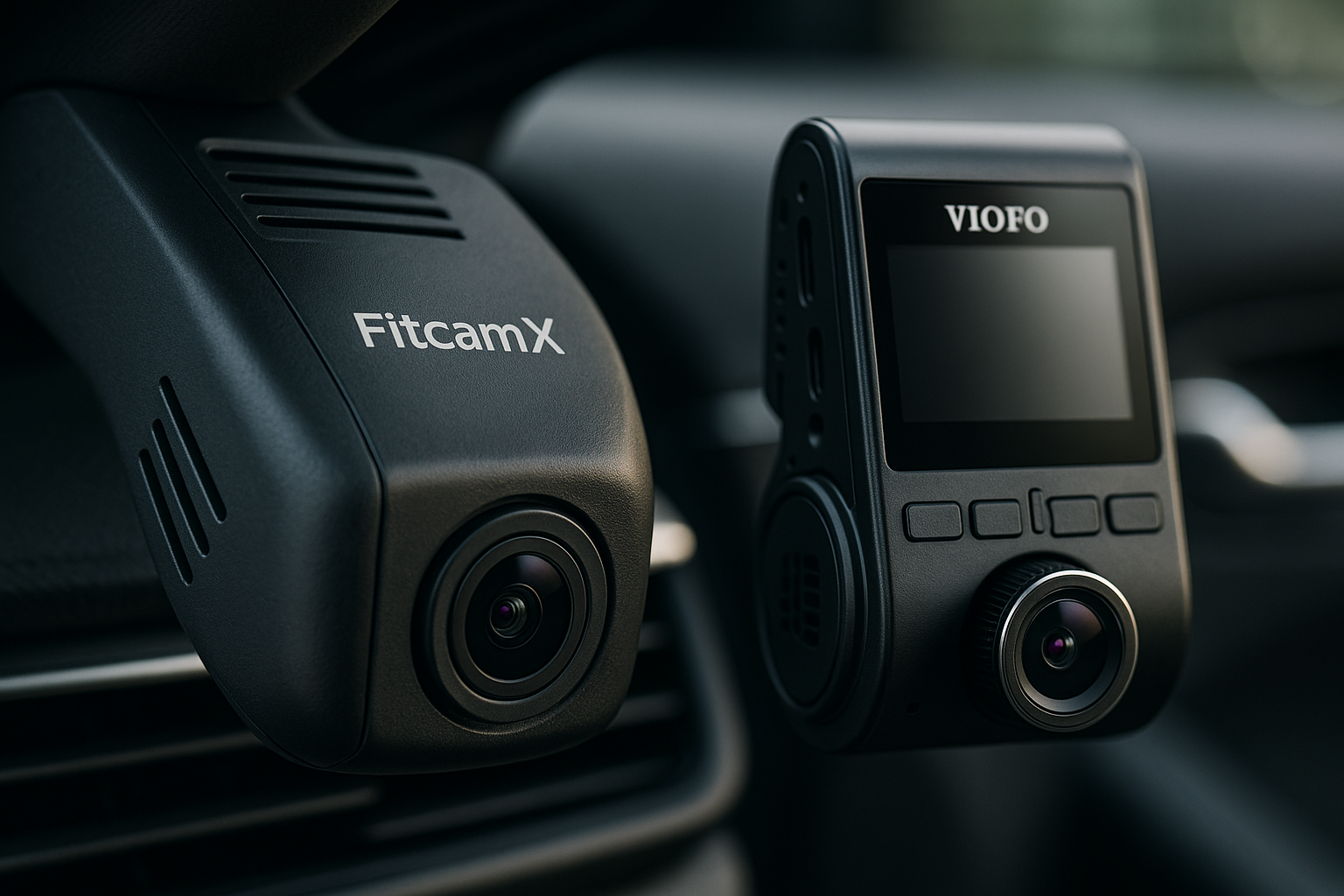
When evaluating fitcamx vs viofo, you are ultimately deciding between an integrated, factory-style camera designed to disappear into your vehicle’s interior and a traditional, standalone dash cam that mounts visibly to your glass. Fitcamx focuses on custom vehicle-specific mirror housings and plug-and-play mirror power, whereas Viofo is commonly evaluated by shoppers seeking conventional multi-tier dash cams with standalone windshield mounts.
Affiliate disclosure: This article may contain affiliate links. If you buy through them, we may earn a commission at no extra cost to you. Details were checked on November 16, 2026 and can change.
Official website · Latest pricing & offers
Quick Answer: Fitcamx vs Viofo Comparison
The choice between these two brands comes down to how much you value factory interior styling versus standalone dash cam flexibility. Neither format fits every driver, but their core design philosophies solve completely different problems:
- Choose Fitcamx if: You want a clean, OEM-style dash cam that looks like it came with your car from the factory. Fitcamx designs custom housings that replace the plastic shroud behind your rearview mirror and draws power directly from the mirror harness, eliminating dangling cables, suction cups, and A-pillar wire tucking.
- Consider traditional alternatives like Viofo if: You prefer a universal dash cam that transfers easily between completely different vehicles, or you want a traditional camera body mounted via adhesive with standard multi-button menu navigation and exposed cabling options.
- Installation difference: Fitcamx emphasizes true plug-and-play installation via the rearview mirror harness without entering the fuse box or removing trim panels, though fuse box and OBD kits are offered for parking mode. Traditional standalone cameras typically require routing a long cable along headliners and A-pillars down to a 12V socket or fuse box.
- Aesthetics: Fitcamx is nearly invisible from the cabin and looks stock from the outside. Traditional cameras remain visible hanging below or next to the rearview mirror.
Understanding the Core Dilemma: Fitcamx vs Viofo Philosophy
In modern automotive accessories, dash cams have split into two distinct categories: vehicle-integrated systems and universal aftermarket units. The comparison between Fitcamx and traditional brands like Viofo illustrates this exact divide.
Fitcamx was created specifically to eliminate the aesthetic frustrations of aftermarket dash cams. When you buy a modern car, the windshield area around the rearview mirror is engineered with clean plastic shrouds housing safety sensors, rain sensors, and adaptive cruise control cameras. Installing a standard aftermarket camera often means sticking a plastic rectangle to the glass, running a thick black wire across the headliner, tucking cables past delicate side curtain airbags in the A-pillar, and plugging an adapter into the 12V cigarette lighter.
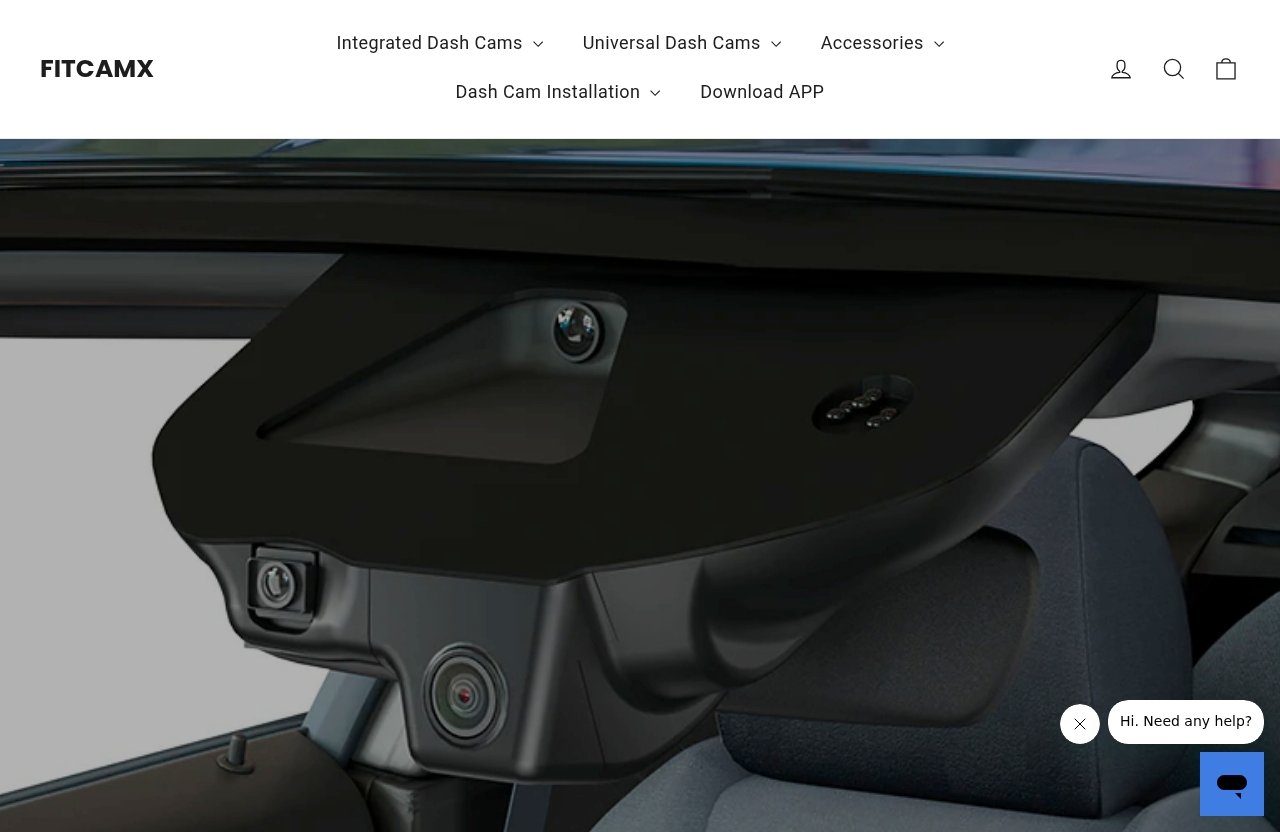
Fitcamx addresses this by reverse-engineering the exact shape of your car’s factory mirror cover. The Fitcamx unit replaces the original plastic housing with an identical shell that houses a camera lens and internal electronics. Once installed, it looks like original equipment rather than an add-on device.
On the other side of the market, brands like Viofo represent the traditional, enthusiast-driven approach to dash cams. Shoppers who gravitate toward Viofo typically compare spec sheets, hardware sensors, and universal brackets. These cameras are built as self-contained standalone units with their own screens or compact wedge bodies, designed to adhere universally to any windshield regardless of the car make or model. Because official Viofo product specifications were not provided for this guide, we evaluate Viofo here strictly as a representative of universal standalone windshield cameras, emphasizing verified Fitcamx facts for direct product analysis.
Installation Methods: Mirror Tap vs Traditional Cabling
Installation is frequently the deciding factor for drivers researching dash cams. How power reaches the camera dictates both how long setup takes and whether your car’s interior remains pristine.
Fitcamx Real Plug-and-Play Power
According to official Fitcamx documentation, their primary innovation is a “Real Plug and Play” power method. The system draws electrical power directly from the vehicle’s rearview mirror using a plug-to-plug connection. Here is what this means in practice:
- No A-pillar disassembly: Traditional dash cam installations require pulling down rubber weatherstripping and prying open plastic A-pillar trim to route wires down to the dashboard. This risks damaging trim clips or interfering with curtain airbags. Fitcamx eliminates this step entirely for standard driving recording.
- No cigarette lighter or 12V socket clutter: Your center console ports remain open for phone chargers or storage.
- Zero visible wiring: The power tap occurs inside the mirror housing. Once the replacement cover snaps into place, no wires protrude into the passenger cabin.
For drivers who want a detailed breakdown of this setup process, our guide on how to install a Fitcamx dash cam walks through the exact clip removal and harness connection steps.
Traditional Standalone Camera Cabling
Universal dash cams like those from Viofo cannot tap into proprietary mirror plugs out of the box because every car manufacturer uses different wiring plugs and pinouts. Instead, standalone cameras rely on standard 12V USB power cables. Installing them involves:
- Adhering the camera bracket to the glass using static cling sheets or double-sided adhesive.
- Tucking a 10-to-15-foot cable along the gap between the glass and headliner.
- Running the cable across the A-pillar seam.
- Routing under the glovebox to a central USB or 12V auxiliary port, or hardwiring into the cabin fuse panel.
While universal cabling works on literally any car with a 12V socket, it requires significantly more physical effort to conceal and can loosen over time with temperature swings.
Design and Windshield Visibility: Stealth vs Standalone
Interior aesthetics are where Fitcamx and standalone units diverge most sharply. Modern vehicles feature minimalist dashboards, expansive digital displays, and carefully sculpted sightlines. Adding bulky aftermarket hardware can detract from that design.
The OEM-Style Fitcamx Experience
Fitcamx designs custom shells tailored to dozens of vehicle brands. The official catalog features dedicated collections for manufacturers such as:
- Audi, BMW, Mercedes Benz, Porsche, and Volkswagen
- Toyota, Lexus, Honda, Subaru, and Nissan
- Ford, Lincoln, Chevrolet, GMC, and Dodge Ram
- Volvo, Polestar, Genesis, and Land Rover / Jaguar
- Electric vehicle platforms including Tesla, Ford Mustang Mach-E, and Volkswagen ID series
Because the unit replaces the factory shroud, it leaves your windshield completely free of suction cups, adhesive pads, and auxiliary screens. Drivers often note that passengers cannot tell an aftermarket camera is present. Furthermore, the absence of an illuminated LCD screen right in your field of view prevents night-driving distractions.
The Standalone Form Factor
Standalone cameras must accommodate a universal mount. Whether designed as a small wedge or a hanging rectangular body, the camera occupies windshield real estate. While some drivers appreciate having an integrated display screen on the unit for immediate playback or aiming verification, others find screens distracting or unsightly. In regions with strict laws regarding windshield obstructions, hanging accessories can occasionally create inspection or legal concerns.
Parking Mode and Power Options in Fitcamx vs Viofo
Both OEM-style and traditional cameras can protect your vehicle while parked, but the wiring requirements differ significantly depending on the power source you select.
Fitcamx Parking Mode Configurations
When powered solely via the rearview mirror plug-and-play tap, a Fitcamx dash cam turns on and off with the vehicle’s ignition. Because auto-dimming mirrors generally lose power when the engine shuts off, continuous 24/7 parking surveillance requires a constant power connection. Fitcamx supports this by offering dedicated optional accessories:
- Parking Mode Cable (Fuse Box Kit): Connects directly to continuous and switched power terminals in the vehicle’s fuse box, enabling the camera to record surveillance footage while parked.
- OBD Kit Installation: Connects to your vehicle’s On-Board Diagnostics (OBD-II) port under the steering column, providing constant power without requiring manual fuse taps.
If you plan to utilize parking surveillance, read our detailed analysis of Fitcamx parking mode features to understand the installation trade-offs between standard mirror power and hardwiring.
Traditional Standalone Parking Kits
Traditional cameras handle parking mode similarly: they require an accessory hardwire cable wired to the vehicle’s fuse panel. The main difference is that standalone cameras almost always require fuse routing if you want automatic parking detection, whereas Fitcamx gives you the choice of avoiding the fuse box entirely if you only care about drive-time recording.
Hardware, Media, and Mobile App Management
Because Fitcamx integrates into the rearview mirror housing without a built-in display screen, managing recordings, changing settings, and pulling footage relies on wireless connectivity and physical storage cards.
Fitcamx Mobile App and Media Storage
The official Fitcamx website lists a dedicated “Download APP” resource alongside user manuals and mobile application resources. The operational workflow consists of:
- Mobile app connectivity: You connect your smartphone to the camera via the companion app to view video, adjust settings, and download incident clips directly to your phone.
- Micro SD Card Storage: Fitcamx units record to standard Micro SD cards, which Fitcamx also sells as official accessories. The card slot is built into the side or bottom of the replacement housing, allowing you to pop the card out and view footage on a PC or card reader.
- Optical Accessories: Fitcamx offers an optional CPL (Circular Polarizing Lens) filter designed to reduce dashboard reflections on the windshield glass.
How Standalone Cameras Compare
Standalone cameras typically combine app connectivity with physical buttons and an integrated LCD screen on the back of the camera body. Drivers who prefer navigating menus with tactile buttons without connecting a smartphone often appreciate the standalone format. However, drivers who prefer a completely hands-off system that runs quietly in the background without screen glare find the app-based, screenless Fitcamx setup cleaner.
Fitcamx Pricing and Model Lineup
Fitcamx pricing varies depending on your vehicle model, camera configuration (front-only vs. dual front-and-rear kits), and whether you purchase accessories like CPL filters or parking cables. While pricing on the official site dynamically adjusts based on currency, typical baseline retail tiers visible on the official store reflect premium automotive accessory positioning:
| Vehicle Collection / Model | Regular Price (KRW Reference) | Sale Price From (KRW Reference) |
|---|---|---|
| Toyota RAV4 / Sienna | ₩258,000 | ₩229,000 |
| Volvo & Polestar 2 | ₩258,000 | ₩229,000 |
| Audi Collection | ₩258,000 | ₩232,000 |
| RAM 1500 / 2500 / 3500 (2019-2024) | ₩299,000 | ₩258,000 |
| Porsche Collection | ₩312,000 | ₩270,000 |
| Ford F-150 / F-250 / Raptor (2021-2026) | ₩258,000 | ₩229,000 |
| BMW F Chassis | ₩271,000 | ₩256,000 |
| Honda Civic (2022-2026) | ₩258,000 | ₩229,000 |
| Land Rover Defender (2020-2026) | ₩325,000 | ₩284,000 |
Note: Exact prices fluctuate by region, currency exchange rates, and active store promotions. Fitcamx also offers an email newsletter discount of 5% off for new subscribers on their official website. Check the official site for real-time USD, EUR, or local currency checkout amounts.
Traditional universal cameras like Viofo range across multiple pricing tiers, from budget single-channel units to multi-channel systems. When comparing costs, factor in whether the camera includes mounting kits, memory cards, and hardwire adapters, as universal dash cams often sell these as separate add-ons.
Fitcamx vs Viofo: Pros and Cons
Understanding the exact advantages and compromises of each approach helps you avoid post-purchase regret.
Fitcamx Advantages
- Seamless OEM appearance: Blends into your vehicle’s factory rearview mirror cover with matching texture and color.
- Effortless standard install: Plugs directly into the mirror wiring harness; no need to route wires down A-pillars or dismantle trim panels.
- Zero windshield clutter: No suction mounts, bulky brackets, or dangling cords in the driver’s line of sight.
- Broad vehicle support: Hundreds of vehicle-specific moldings available for American, European, and Asian car brands.
- Multiple power options: Offers mirror tap for standard drive recording, plus optional OBD and fuse box cables for 24/7 parking mode.
Fitcamx Compromises
- Vehicle-specific lock-in: If you sell your car and buy a vehicle from a different brand or with a different mirror housing design, you cannot transfer the camera shell to the new car.
- No physical screen: Changing settings and previewing alignment requires opening the mobile application.
- Mirror harness dependency: Your vehicle must be equipped with a powered mirror or sensor package to utilize the plug-and-play harness.
Traditional Standalone Dash Cam (e.g., Viofo) Advantages
- Universal portability: Can be unmounted and moved to any vehicle regardless of make, model, or year.
- Built-in screen availability: Many standalone models feature physical screens for immediate clip review and alignment.
- Model variety: Broad range of standalone configurations across budget and high-end tiers.
Traditional Standalone Dash Cam Compromises
- Visible windshield clutter: Permanently attaches to the glass with adhesive or suction mounts, creating visual clutter.
- More demanding wire routing: Requires tucking long cables along headliners and trim seams to reach power sockets.
- Potential theft target: Visible third-party cameras mounted on windshields can attract unwanted attention from passersby.
Who Should Choose Fitcamx and Who Should Choose Traditional Cams?
To make the right choice, consider your driving habits, how long you plan to keep your car, and how sensitive you are to vehicle cabin clutter.
Fitcamx Is Best For:
- Owners of supported vehicles: If you drive a popular model from Toyota, BMW, Audi, Ford, Lexus, Honda, Volvo, or other supported brands, Fitcamx offers an unbeatable factory finish.
- Drivers who hate visible wires: If suction cups and hanging cords drive you crazy, Fitcamx solves that frustration immediately.
- Lease holders: Because the plug-and-play harness taps into the existing mirror connector without splicing factory wires or damaging trim, you can snap the original plastic cover back on before returning the vehicle.
- People who want simple installation: If you do not want to spend an afternoon poking wires past curtain airbags and into fuse panels, the mirror-tap method takes minutes.
Traditional Standalone Cameras (e.g., Viofo) Are Best For:
- Drivers of unsupported or vintage cars: If your car does not have an auto-dimming mirror harness or Fitcamx does not make a custom molding for your specific vehicle trim, a universal camera is required. (Fitcamx does offer a Universal Dash Cam option, but its primary appeal remains the vehicle-specific lineup.)
- Multi-vehicle fleets: Drivers who frequently swap cameras between work vehicles, family cars, and rental cars.
- Drivers who demand on-device display screens: If you refuse to use smartphone apps to configure camera settings, a traditional dash cam with physical buttons and a screen is more suitable.
Common Issues and Troubleshooting
No matter which dash cam style you pick, automotive electronics can encounter routine operational hiccups. Understanding what to look for will keep your camera running smoothly.
With integrated units like Fitcamx, the most common issues relate to fitment verification and app connectivity. Because automotive manufacturers frequently change mirror housing shapes during mid-cycle vehicle refreshes, ensuring you select the correct housing variant on the official site is critical. Before purchasing, check your car’s exact mirror trim against the product photos provided by Fitcamx.
Wi-Fi connectivity is another area where owners occasionally seek help. Because smartphones automatically attempt to switch away from camera Wi-Fi networks that lack internet access, drivers sometimes need to disable cellular data temporarily while downloading clips. For a complete walkthrough of these scenarios, read our guide on common Fitcamx problems and troubleshooting.
With traditional standalone dash cams, common complaints usually revolve around adhesive failure during extreme summer heat, loose power cords slipping out of cigarette lighter sockets, and windshield vibration if mounting brackets loosen over time.
Official website · Latest pricing & offers
FAQ
Does Fitcamx drain my car battery?
When installed using the standard plug-and-play mirror tap, Fitcamx receives power only when your vehicle’s ignition is switched on. It shuts off completely when you turn off the car, meaning it cannot drain your battery during normal parking. If you install the optional fuse box parking mode cable or OBD kit for 24/7 surveillance, the camera draws continuous standby power, and you should ensure proper low-voltage cutoff settings are observed.
Can I transfer a Fitcamx camera to my next vehicle?
Because Fitcamx integrated dash cams use custom-molded housings designed to snap onto specific vehicle mirror covers, you generally cannot transfer the camera housing to a different car make or model. If you purchase another car that shares the exact same mirror housing design, transfer is possible; otherwise, you would need a new unit molded for that specific vehicle. Universal dash cams like Viofo, by contrast, can be transferred to any car using a standard windshield mount.
How do I view videos from a Fitcamx dash cam without a built-in screen?
Fitcamx dash cams connect directly to the official Fitcamx smartphone app. You can view live video feeds, review recorded clips, and download files directly to your phone. Alternatively, you can remove the Micro SD card from the camera housing and plug it into a computer or card reader.
Does installing Fitcamx void my vehicle manufacturer warranty?
The standard Fitcamx installation uses a plug-and-play pass-through adapter that connects between the factory mirror harness and the mirror itself. It requires no wire cutting, splicing, or modification to the vehicle’s electrical system, making it completely reversible if you need to return the vehicle to stock condition.
Can I get parking mode recording with Fitcamx?
Yes, but not through the basic rearview mirror plug-and-play harness alone, as mirror power typically cuts out when the car is turned off. To enable parking mode recording, Fitcamx offers two alternative wiring options: an OBD Kit that plugs into your vehicle’s diagnostic port or a Fuse Box Kit that taps into constant power at your vehicle’s fuse panel.
Does Fitcamx require a monthly subscription?
No. Fitcamx records directly to a local Micro SD card installed in the unit. Footage is stored directly on the local memory card.
Related Reading
- How to Install Fitcamx Dash Cam: Clean Plug-And-Play Setup Guide
- Fitcamx Parking Mode Explained: What Buyers Actually Get
- Fitcamx Problems: 7 Common Issues and How to Troubleshoot Them
- Top 5 Fitcamx Features Buyers Love