Skool for Coaches: Best Use Cases in 2026
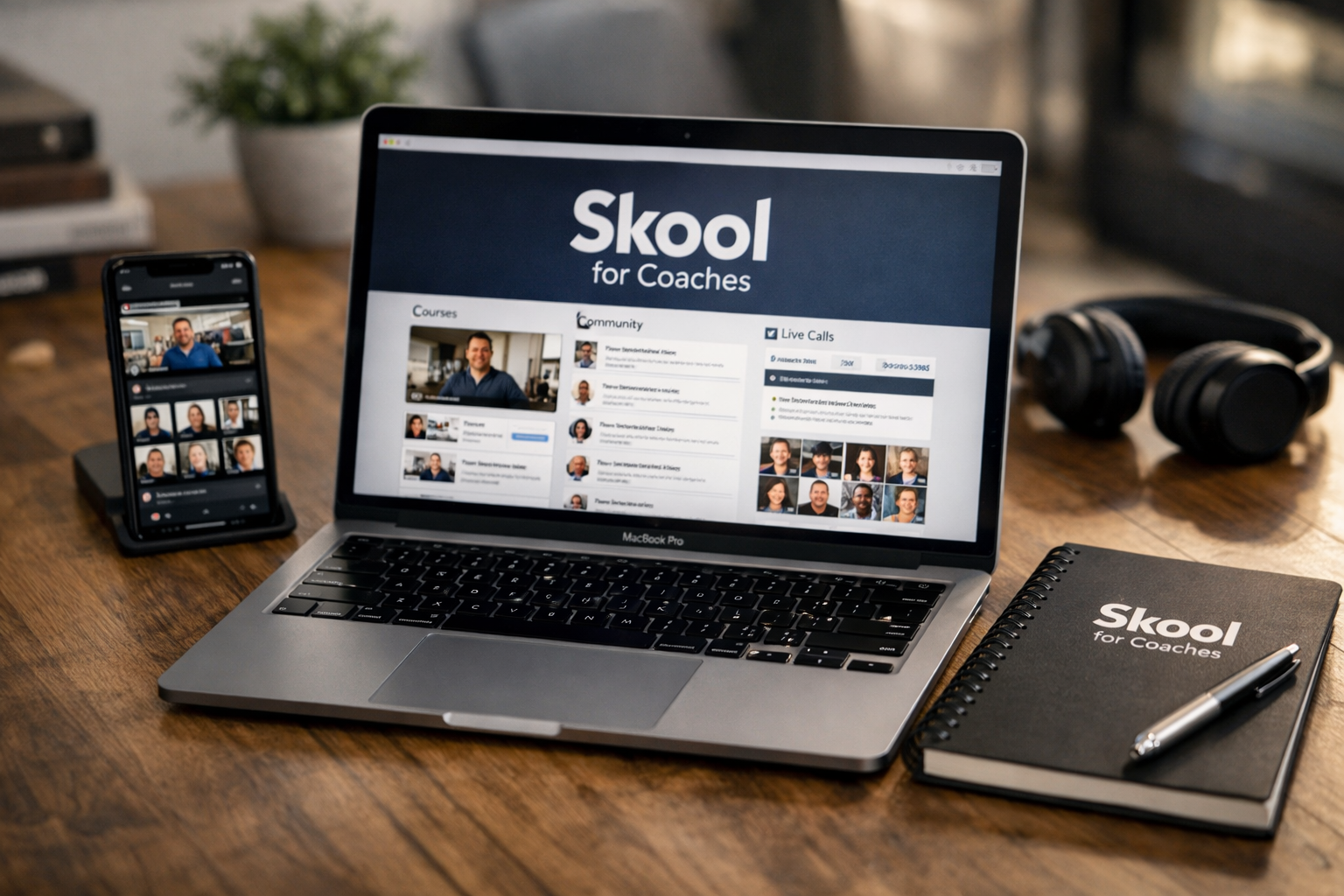
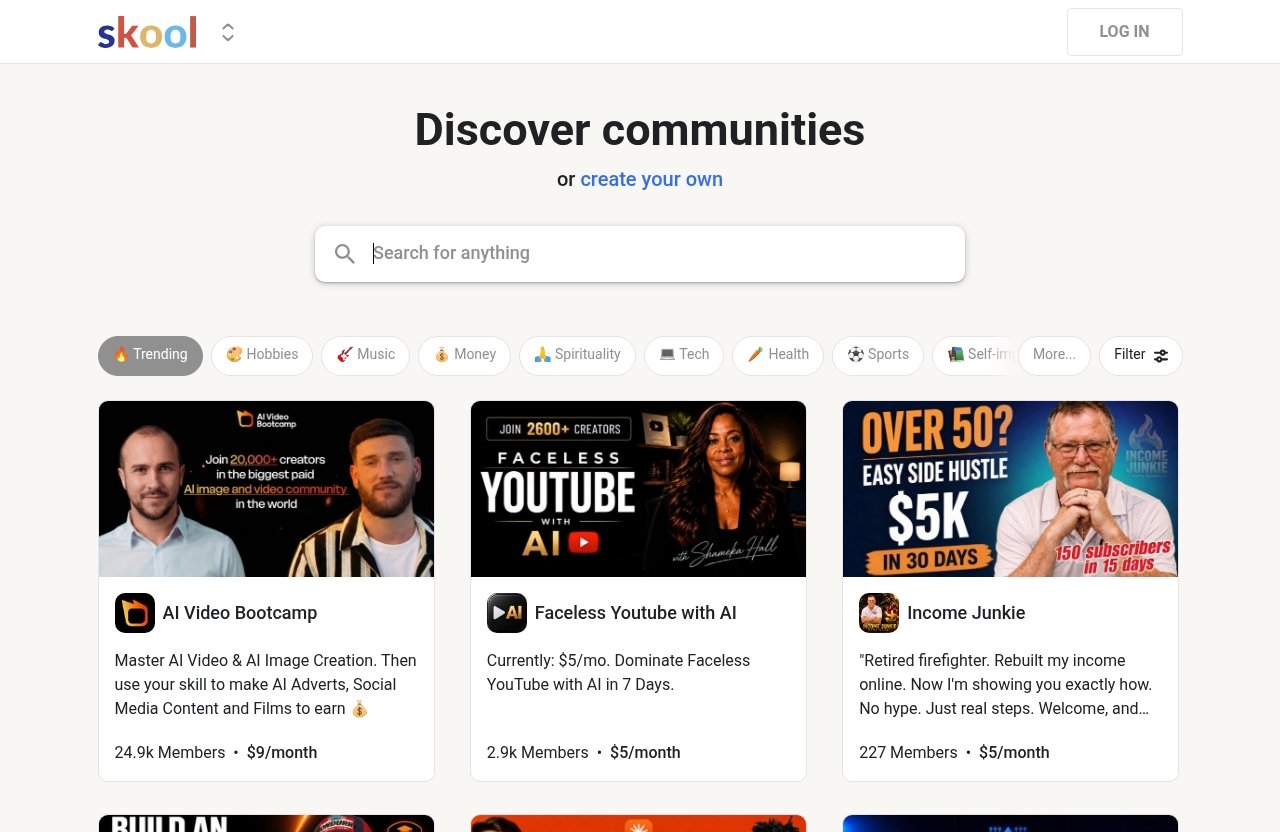
For coaches who want more than a static course library, skool for coaches is worth evaluating as a community-first delivery option. Skool is a platform where users can discover communities or create their own, making it relevant for group programs, paid memberships, accountability spaces, and course-based coaching offers.
This article may include an affiliate link to Skool. If you choose to explore the platform through one of these links, Top Trust Review may earn a commission at no extra cost to you.
The central question is whether Skool fits your coaching model. In my view, it is most compelling when your clients benefit from regular interaction, peer momentum, structured learning, and ongoing access between coaching calls—not simply from watching lessons alone.
Official website · Latest pricing & offers
What Skool Is and Why Coaches Keep Choosing It
A Simple Explanation of the Platform
Skool is a community platform where people can join communities or create their own. For a coach, that can mean creating one central destination for members to access courses, videos, live calls, conversations, and ongoing support.
The appeal of skool for coaches is not that it replaces the coach’s expertise. It gives that expertise a more consistent delivery environment, especially for offers where clients need regular prompts, feedback, and connection with other members.
Instead of sending people between a course portal, a chat group, a calendar link, and multiple documents, a coach can build a more unified client experience. That simplicity can be valuable when members are busy and need a clear place to return to each week.
Why Community + Course Delivery Matters for Coaches in 2026
Coaching clients often do not struggle because they lack information. They struggle because they lose momentum, become isolated, or stop applying what they already know.
A course-only model can work well for self-directed learners. However, coaching clients frequently need visibility, conversation, accountability, and timely encouragement to stay engaged with the material.
That is why a skool community for coaches can feel more valuable than a folder of pre-recorded lessons. The learning material gives members direction, while the community layer gives them a reason to keep showing up and applying it.
For example, a productivity coach might teach a planning method through videos, then use weekly discussions to help clients share their priorities, obstacles, and completed work. The community does not guarantee results, but it can make the program feel more active and supported.
The Main Coaching Outcomes Skool Helps With: Retention, Engagement, and Monetization
The strongest potential use of Skool is supporting recurring value. Members are more likely to see ongoing value when there is a clear rhythm of lessons, conversations, live calls, and peer progress.
For skool for client retention, the important point is not merely hosting content. It is creating repeat reasons for members to return: a weekly question, an upcoming call, a shared challenge, or a place to celebrate progress.
Coaches may also use a Skool space to support paid memberships, group coaching programs, and course access. Monetization still depends on the quality of the offer, market positioning, delivery, and retention strategy—not the platform alone.
If you are considering a community-first model, you can explore Skool here and compare its structure with the way you currently deliver support.
Best Use Cases for Coaches Using Skool in 2026
1: Group Coaching Programs
Group coaching is one of the clearest use cases for skool for coaches. A coach can use the community as the operating hub for a structured program, giving members a place to review materials, attend live calls, ask questions, and learn alongside peers.
A business coach, for example, could run a six-week offer around clarifying an offer, improving sales conversations, and building a client pipeline. Each week can include a lesson, a live discussion, and a member thread where participants report their implementation progress.
This model works especially well when clients gain value from seeing how others solve similar problems. A member may learn from the coach’s answer to someone else’s question even if they never ask that exact question themselves.
2: Client Onboarding and Retention Hubs
New clients need clarity quickly. A well-organized community can function as an onboarding hub where members understand what to do first, where to find core resources, and how to prepare for coaching calls.
For a mindset coach, the first few days could focus on setting intentions, reviewing program expectations, and sharing a personal goal with the group. That creates a more active entry experience than simply sending a welcome email and a link to a lesson folder.
A skool coaching platform can also support retention by making progress visible. When clients routinely see wins, useful conversations, and new prompts, the membership has a stronger ongoing presence in their work or personal development routine.
3: Paid Membership Communities
A paid membership is a natural fit for coaches who can provide continuing expertise rather than a one-time transformation. This might include monthly strategy sessions, recurring live calls, fresh training, and a supportive member community.
A marketing consultant could build a membership for freelance service providers. Members might receive regular workshops, feedback discussions, and practical lessons on messaging, outreach, or client delivery.
With skool for memberships, the offer should be clear about what continues each month. Avoid relying on “access to a community” as the entire value proposition; members should understand the recurring outcomes, guidance, and programming they can expect.
4: Cohort-Based Course Delivery
Cohort programs are designed around a shared start date, schedule, and finish line. They can be particularly effective for coaches who want a live, time-bound experience rather than an always-open course.
A fitness coach could run a focused coaching cohort around sustainable training habits. The course material can provide the foundation, while live calls and member check-ins provide the practical application and peer accountability.
This is another strong example of skool for coaches because the shared calendar creates urgency. Participants are not merely consuming content at their own pace; they are moving through a guided process with a group of people facing similar challenges.
5: 1:1 Coaching Support and Accountability
Skool is not limited to large memberships. A 1:1 coach can use a private community structure as a support layer around individual sessions, particularly if they want clients to access shared resources and participate in occasional group discussions.
A productivity coach might combine private coaching with a client space for weekly planning prompts, workshop replays, and peer accountability. This can add recurring value without requiring every insight to be repeated in separate client conversations.
For skool for online coaches, the practical advantage is consistency. A coach can create a repeatable client experience while still reserving personalized support for premium tiers or private sessions.
6: Lead-Generation Communities and Free Communities
A free community can act as the top of a coaching funnel. Rather than immediately asking a prospect to buy a high-ticket program, a coach can offer useful discussions, selected training, and clear examples of their approach.
For example, a career coach could create a free space for professionals improving their interview skills. Helpful prompts, mini lessons, and live educational sessions can build trust before the coach introduces a paid group program or private coaching offer.
The phrase skool for coaches free can be slightly misleading, though. Coaches should distinguish between offering a free community to prospects and the platform’s own paid plans. A free lead-generation community still requires a clear strategy, moderation, and a logical next offer.
If your primary goal is lead capture and sales automation, it may also help to compare this approach with our [Complete GoHighLevel tutorial for beginners](/complete-gohighlevel-tutorial-for-beginners/) or our guide on [how to build a funnel in Systeme.io](/how-to-build-a-funnel-in-systeme-io/).
How Coaches Actually Use Skool to Increase Engagement
Weekly Prompts and Challenges
Engagement usually improves when members know exactly what to do next. A weekly prompt can be simple: share one business priority, post a workout commitment, identify a mindset obstacle, or report one completed task.
For skool for coaches, short challenges are often more practical than broad motivational posts. A five-day implementation challenge can give members a reason to participate while helping the coach identify common sticking points.
The goal is not to overwhelm members with daily content. It is to create a predictable rhythm that keeps the coaching offer active between formal sessions.
Q&A Calls and Office Hours
The official Skool pricing page lists unlimited live calls on both available plans. Coaches can use this flexibility to schedule Q&A sessions, office hours, workshops, guest discussions, or program check-ins based on their business model.
A business coach might run a weekly office hour for tactical questions. A health coach might offer a monthly live call focused on common client barriers, such as meal planning consistency or maintaining routines during travel.
Using skool live calls effectively requires an agenda. Give members a reason to attend by naming the topic, inviting questions in advance, and sharing a short follow-up summary afterward.
Pinned Resources and Lesson Libraries
Coaches should make essential information easy to locate. In practice, this means clearly organizing welcome materials, lesson sequences, call details, key templates, and frequently requested resources.
The official plans include unlimited courses, videos, and live calls, which can suit coaches who want to build a growing learning library. However, more content does not automatically create more value; clarity and sequencing matter more than volume.
A course creator can use foundational lessons for evergreen concepts, then reserve community discussions for current questions and implementation. For a closer review of the course-delivery angle, see our [Skool for online courses review](/skool-for-online-courses-review/).
Accountability Threads and Wins Posts
Accountability works best when it is specific. Ask members to state one commitment, post an update, and explain what they will do next if they miss the target.
A fitness coach could invite clients to share their planned training days every Monday. A sales coach could run a Friday thread where members report outreach activity, conversations booked, and lessons learned.
This is where skool group coaching can become more dynamic than a series of calls. Members can learn from one another’s consistency, setbacks, and solutions while the coach guides the conversation.
Community Milestones and Progress Tracking
People stay engaged when they can recognize progress. Coaches can create informal milestones such as completing a first lesson, attending a first call, posting a first win, or finishing a defined challenge.
Progress tracking does not need to be complicated. It can be as simple as recurring reflection questions: What changed this month? What habit became easier? What is your next focus?
For skool for coaches, these reflections provide useful retention insights. If members consistently mention the same type of resource or call as valuable, that is a signal to improve and expand that part of the program.
Skool Pricing for Coaches: Verified Plans and What They Include
The official Skool pricing page lists two monthly plans. It also displays monthly and yearly billing toggles and states “2 months free,” but coaches should check the official page directly for the current billing details rather than assuming a yearly total.
| Plan | Monthly Price | Verified Included Features | Transaction Fee |
|---|---|---|---|
| Hobby | $9/month | Unlimited members, courses, videos, live calls, custom URL, affiliates | 10% |
| Pro | $99/month | Unlimited members, courses, videos, live calls, custom URL, affiliates | 2.9% |
Hobby Plan at $9/Month
The Hobby plan is listed at $9 per month. According to the official pricing page, it includes unlimited members, unlimited courses, unlimited videos, unlimited live calls, a custom URL, and affiliates.
For a newer skool for coaches business, this plan may be a practical way to validate demand before increasing fixed platform costs. The key tradeoff is the listed 10% transaction fee.
A new coach should not choose solely on the low monthly price. Consider expected sales volume, the type of paid offer you plan to sell, and whether the transaction-fee structure remains reasonable as revenue grows.
Pro Plan at $99/Month
The Pro plan is listed at $99 per month. It includes the same verified unlimited members, courses, videos, and live calls, plus a custom URL and affiliates.
Its listed transaction fee is 2.9%. This may matter more to an established coach with a growing paid community, a higher-priced group program, or more predictable member payments.
The Pro plan does not automatically make an offer more successful. It is simply a different cost structure, so the decision should be based on financial math and business stage.
Which Plan Is Better for a New Coach vs a Scaling Coach
A newer coach may prioritize low fixed monthly cost while testing a group offer or membership concept. A scaling coach may compare the higher monthly cost against the lower listed transaction fee.
For skool pricing, make the decision using actual numbers from your business. Estimate your expected monthly sales, apply the relevant fee, and compare the total cost rather than focusing on only one line item.
Also consider your operational readiness. If you do not yet have a clear member journey or recurring engagement plan, moving to a higher plan will not solve that underlying offer problem.
How to Think About Transaction Fees
Transaction fees affect the economics of every paid sale processed through your community. The official pricing page lists a 10% transaction fee for Hobby and a 2.9% transaction fee for Pro.
A simple comparison is useful: low-volume coaches may prefer lower fixed costs, while higher-volume coaches may find it worthwhile to examine the impact of the lower percentage fee. Your best choice depends on revenue, pricing, and sales consistency.
Official website · Latest pricing & offers
Pros and Cons of Skool for Coaching Businesses
Advantages for Coaches
The clearest advantage of skool for coaches is the community-first model. It gives coaches a place to combine learning, live interaction, and member discussion instead of treating coaching as a disconnected collection of tools.
Both official plans include unlimited members, courses, videos, and live calls. That may be attractive for membership builders and group coaches who do not want their core delivery capacity limited by those categories.
Custom URL and affiliate support are also listed on both plans. The affiliate feature can be relevant for coaches who want to build referral incentives into their community growth strategy, although the success of any skool affiliate program approach depends on your audience and offer.
Limitations and Possible Friction Points
Skool is not a substitute for a strong coaching methodology. If your promise is vague, your onboarding is unclear, or your live programming is inconsistent, the platform itself will not create engagement.
It may also require a mindset shift for coaches accustomed to private, highly customized delivery. Community-based coaching involves visible discussion and peer interaction, which not every client prefers.
The right question is not whether a platform has unlimited content capacity. It is whether your members will understand what matters, participate consistently, and receive an experience aligned with what they paid for.
When Skool Is Not the Best Fit
Skool may be less suitable when your offer is purely a static, self-paced course and you have no intention of fostering member interaction. In that scenario, the community element may be underused.
It may also be a weaker fit for coaches who require highly specialized workflows that are not part of Skool’s verified public plan details. Review the official Skool homepage and pricing information against your non-negotiable requirements before committing.
Skool vs Other Ways Coaches Run Their Programs
Using Skool Instead of Facebook Groups
A social-media group can be easy for prospects to join, but it competes with distractions, notifications, and unrelated content. A dedicated skool community for coaches can create a more intentional environment around the coaching program itself.
The tradeoff is that members must actively adopt another destination. Coaches can reduce that friction with a clear welcome process, a simple weekly schedule, and reminders that show members why returning is worthwhile.
Using Skool Instead of Course-Only Platforms
Course-only delivery is appropriate when learners mainly need structured lessons and independent progress. It is less ideal when the transformation depends on coaching feedback, accountability, and shared implementation.
For skool for coaches, the benefit is the ability to make the course one component of a broader experience. Lessons can provide the framework, while live calls and discussions help clients turn that framework into action.
Using Skool Instead of a Patchwork of Tools
Many coaches begin with separate tools for content, calls, group discussion, payments, and referrals. That can work, but it may create a fragmented experience for clients.
Skool can be appealing when you want a more consolidated home for community, courses, videos, live calls, custom URLs, and affiliate support. Before switching, map your current client journey and identify where members are getting lost or disengaging.
Who Should Use Skool for Coaching—and Who Should Skip It
Best-Fit Coach Profiles
The best fit for skool for coaches is a coach who believes client progress improves through conversation, implementation, and peer support. That includes business coaches, fitness coaches, mindset coaches, productivity mentors, marketing consultants, and course creators with an active audience.
It is especially relevant for coaches selling group programs, recurring memberships, or cohort experiences. These models need ongoing reasons for clients to return, participate, and renew.
Signals That Skool Will Work Well
Skool may be a good fit if you already answer the same questions repeatedly, host regular group calls, or want clients to learn from each other. It can also suit coaches who want to turn scattered resources into a clearer client hub.
Another positive signal is that you have a repeatable engagement rhythm. If you can commit to prompts, calls, challenges, or feedback discussions, the community is more likely to feel alive.
Signs You May Outgrow or Underuse It
You may underuse Skool if you only plan to upload a few videos and never interact with members. In that case, clients may not see enough ongoing value to justify a membership-style experience.
You may also need to consider other options if your business depends on requirements beyond the verified platform information. Start with your delivery model, then choose technology that supports it—not the other way around.
How to Set Up a High-Retention Coaching Community on Skool
Structure Your Welcome Flow
Begin with a simple first-week path. Tell new members what to do first, where to introduce themselves, which lesson to start with, and when the next live call takes place.
For skool for coaches, onboarding should answer one important question: “What should I do today?” The easier that answer is, the more likely clients are to take an early action.
Ask new members to share a goal or challenge. This gives the coach context and makes it easier for other members to welcome them into the conversation.
Organize Lessons and Calls
Organize lessons around the transformation you promise, not around every piece of content you have ever made. Start with essentials, then add supporting videos and deeper resources only when they serve a clear purpose.
Use live calls for application, coaching, and clarification. Rather than repeating an entire lesson, use calls to help members diagnose obstacles and decide on next actions.
Create a Weekly Engagement Rhythm
A reliable weekly rhythm can be more effective than constant posting. For example, Monday can be for commitments, midweek can be for a coaching prompt, and Friday can be for wins and reflections.
This structure helps members know what to expect. It also gives coaches a repeatable operating system rather than forcing them to invent new engagement ideas every day.
Encourage Member-to-Member Interaction
The coach should guide the space, but not be the only person providing value. Invite members to answer simple questions, share useful lessons, and support others who are working through similar goals.
For a coach, this peer layer can create recurring value that does not depend entirely on one-to-one replies. It also makes group coaching feel more collaborative and less transactional.
Track Content That Keeps People Subscribed
Pay attention to the content and conversations that produce replies, call attendance, wins, and renewal discussions. These are practical signs that members see value.
Do not assume that your longest lesson is your most useful asset. Often, a concise worksheet, a focused Q&A, or a recurring accountability thread is what makes clients continue participating.
Official website · Latest pricing & offers
FAQ
Can You Make Money on Skool?
Yes, coaches can make money through paid communities, group coaching programs, memberships, and course access. Skool’s official pricing page lists transaction fees for paid activity on its Hobby and Pro plans.
However, skool for coaches is not an automatic revenue system. Income depends on a compelling offer, clear positioning, effective audience building, appropriate pricing, and the ability to retain members through real ongoing value.
What Is the Best Platform for Coaches?
The best platform depends on how you coach. If you primarily sell a static course, a course-focused solution may be sufficient; if you rely on accountability, group interaction, and recurring support, a community-first platform may be more appropriate.
Skool is particularly worth considering for coaches who want courses, videos, live calls, and a member community in one place. Compare it with your client journey rather than choosing based on popularity alone.
What Is Skool and How Does It Work?
Skool is a community platform where users can discover communities or create their own. Coaches can create a community space and use courses, videos, and live calls as part of their program delivery.
In practical terms, skool for coaches can support a model where members learn through course content, participate in discussions, attend live sessions, and return for ongoing accountability.
Is Skool Free to Use?
Skool’s official pricing page lists paid monthly plans rather than a free plan: Hobby at $9 per month and Pro at $99 per month. The page also displays monthly and yearly billing options and says “2 months free,” so review the official page for the latest terms.
For coaches, a free community is a separate business decision. You may choose to offer your own community at no cost as a lead-generation channel, while still paying for the Skool plan you select.
Final Verdict: Is Skool Worth It for Coaches in 2026?
Best Use Case Summary
Skool for coaches is most compelling for coaches who want to deliver more than isolated lessons. It is a strong option to consider when your offer depends on group coaching, accountability, live interaction, recurring learning, and peer support.
Business, fitness, mindset, productivity, and marketing coaches can all use this type of setup to make clients feel connected between sessions. The platform is less compelling if your entire offer is a passive course with little planned interaction.
Pricing Takeaway
The verified monthly plans are Hobby at $9 per month with a 10% transaction fee, and Pro at $99 per month with a 2.9% transaction fee. Both include unlimited members, courses, videos, and live calls, plus a custom URL and affiliates.
Choose based on your expected revenue and operating model, not just the headline monthly price. A newer coach may value lower fixed cost, while a growing membership business should calculate the effect of transaction fees carefully.
Recommendation by Coaching Business Model
Choose Skool if you are building a paid membership, cohort program, group coaching offer, client retention hub, or free community that leads into paid coaching. It is particularly suitable when you have a clear engagement rhythm and want one home for learning, discussions, and live interaction.
Skip or delay it if you do not plan to actively manage a community or if a simple course library is all your clients need. For coaches committed to a community-led model, Skool is worth exploring as part of your platform comparison in 2026.
Related Reading
- Skool for memberships setup guide
- Complete Gohighlevel tutorial for beginners
- How to build a funnel in Systeme.io
References
- Skool official homepage
- Skool official pricing page
- Online Coaches And Experts community on Skool
- How I Ran a 6-Week Coaching Program Using Skool